
Teeth Whitening for Sensitive Teeth: What Are Your Options?
Teeth whitening presents unique challenges for individuals with sensitive teeth, requiring careful selection of appropriate methods to avoid discomfort. Various options exist, ranging from professional treatments designed to minimize sensitivity to over-the-counter products formulated with gentler ingredients. Understanding the benefits and limitations of each approach is essential for achieving effective results without exacerbating sensitivity. The following discussion explores these options and considerations for safely brightening sensitive smiles.
Understanding Tooth Sensitivity and Whitening
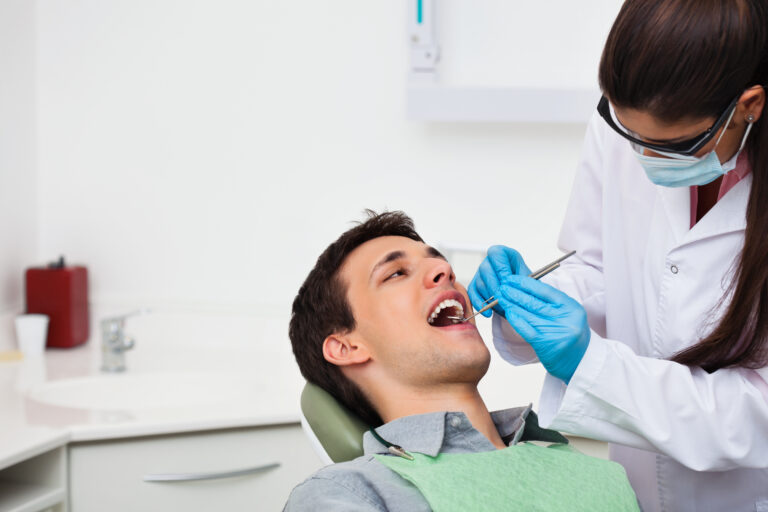
Tooth sensitivity is a common dental condition characterized by discomfort or pain in response to stimuli such as temperature changes or certain foods. This sensitivity often results from the thinning or erosion of tooth enamel, which exposes the underlying dentin and its nerve endings. Whitening treatments may exacerbate sensitivity because many whitening ingredients, such as hydrogen peroxide or carbamide peroxide, can penetrate enamel and temporarily irritate the dentin. Understanding the interaction between whitening ingredients and tooth enamel is vital for managing sensitivity. Enamel protection is essential to minimize discomfort during whitening procedures. Patients with sensitive teeth should seek products or methods formulated to reduce enamel erosion and limit exposure to harsh whitening agents, thereby preserving enamel integrity while achieving desired whitening results safely and effectively.
Professional In-Office Whitening Treatments for Sensitive Teeth
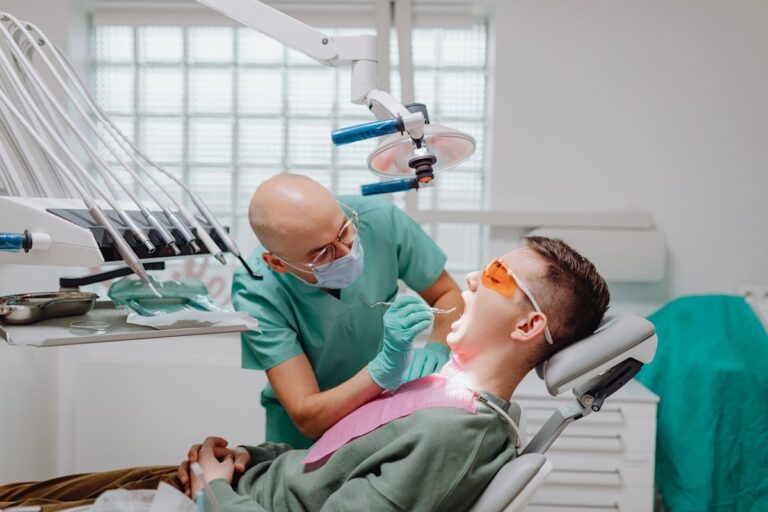
Although sensitivity presents a challenge, professional in-office whitening treatments offer tailored solutions that balance efficacy with comfort. These treatments are conducted under the supervision of dental professionals who begin with thorough professional consultations to assess tooth sensitivity levels and oral health. Laser whitening is a prominent method used in-office, utilizing controlled light energy to activate whitening agents rapidly while minimizing discomfort. The dental team can adjust treatment intensity and apply protective barriers to safeguard sensitive areas, ensuring patient comfort throughout the procedure. In-office treatments provide immediate, noticeable results with a lower risk of sensitivity flare-ups compared to over-the-counter products. This controlled environment, combined with expert monitoring, makes professional in-office whitening a viable and effective option for individuals seeking brighter teeth without exacerbating sensitivity conditions.
Custom Take-Home Whitening Trays With Desensitizing Agents
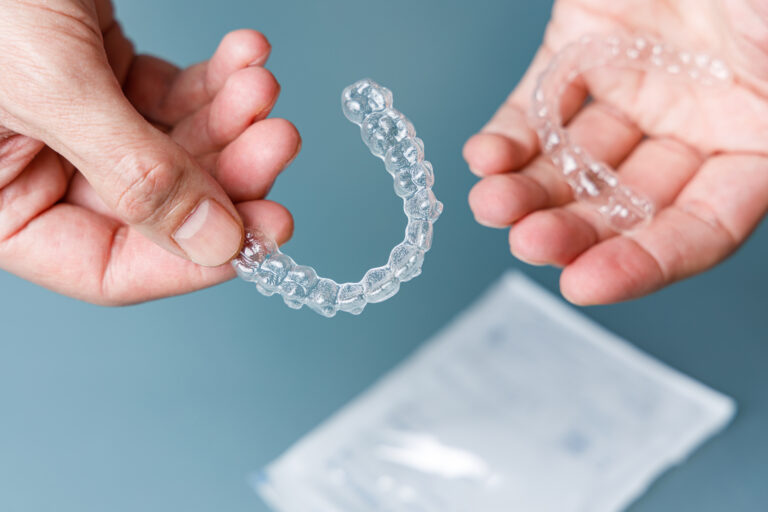
When sensitivity requires a gentler approach, custom take-home whitening trays infused with desensitizing agents offer an effective alternative. These trays are tailored to fit the patient’s dental anatomy precisely, ensuring even application of the whitening gel while minimizing gum irritation. The inclusion of desensitizing agents, such as potassium nitrate or fluoride, helps to reduce nerve sensitivity during the whitening process. This combination allows for gradual whitening results with less discomfort compared to standard treatments. Patients benefit from the convenience of at-home use under professional guidance, which permits controlled exposure to the whitening agents. Custom trays with desensitizing agents represent a balanced solution for individuals seeking effective whitening without exacerbating tooth sensitivity.
Over-the-Counter Whitening Products Suitable for Sensitive Teeth
Since many individuals seek convenient and affordable options for whitening sensitive teeth, over-the-counter (OTC) products formulated specifically for this purpose have become increasingly popular. Whitening strips designed for sensitive teeth typically contain lower concentrations of peroxide, reducing the risk of irritation while still providing gradual whitening. These strips are easy to apply and can be used at home without professional supervision. Additionally, charcoal toothpaste has gained attention as an alternative OTC product; it offers mild abrasive properties that may help remove surface stains. However, its effectiveness for deep whitening is limited, and users with sensitivity should exercise caution due to potential enamel abrasion. Overall, OTC whitening strips and charcoal toothpaste provide accessible options for mild to moderate whitening needs in patients with sensitive teeth, balancing efficacy and comfort.
Natural Remedies and Alternative Whitening Methods
While conventional whitening products remain popular, a growing number of individuals turn to natural remedies and alternative methods to address tooth discoloration, particularly for sensitive teeth. These options often rely on natural ingredients such as baking soda, activated charcoal, and coconut oil, which are believed to gently remove surface stains without harsh chemicals. Herbal solutions, including extracts from neem and licorice root, have also gained attention for their potential antibacterial properties and mild whitening effects. Though these approaches may reduce sensitivity risks, their efficacy is generally less pronounced compared to professional treatments. Users should exercise caution and consult dental professionals before adopting alternative methods, ensuring these natural remedies do not compromise enamel integrity or oral health. Overall, natural and herbal options represent a cautious, yet appealing path for sensitive teeth whitening.
Tips to Minimize Sensitivity During Whitening
To effectively reduce sensitivity during teeth whitening, it is crucial to adopt strategies that protect enamel and soothe nerve endings. Proper pre whitening preparation, such as using desensitizing toothpaste, can fortify teeth and reduce discomfort. Additionally, careful post whitening care helps maintain enamel integrity and minimize irritation.
Key tips to minimize sensitivity during whitening include:
- Use a lower concentration of whitening agents to decrease enamel stress
- Apply fluoride treatments before and after whitening to strengthen enamel
- Limit treatment duration and frequency to avoid overexposure
- Avoid extremely hot or cold foods immediately following whitening sessions
Implementing these measures guarantees a safer, more comfortable whitening experience for individuals with sensitive teeth.
When to Avoid Teeth Whitening if You Have Sensitivity
Under what circumstances should individuals with sensitive teeth refrain from whitening treatments? When to avoid whitening is critical for those exhibiting pronounced signs sensitivity, such as persistent pain, gum irritation, or exposed dentin. Whitening agents can exacerbate these conditions, leading to increased discomfort or damage. Additionally, individuals with untreated dental issues—like cavities, gum disease, or cracked teeth—should postpone whitening until these problems are resolved. Pregnant or breastfeeding women are also advised to avoid whitening due to insufficient safety data. Consulting a dental professional is vital to evaluate oral health and determine suitability. Recognizing when to avoid whitening guarantees that sensitivity is not worsened, preserving dental integrity and preventing unnecessary pain during cosmetic procedures.
Maintaining a Bright Smile After Whitening Sensitive Teeth
Ensuring a lasting bright smile after whitening sensitive teeth requires careful adherence to specific maintenance practices. Effective whitening maintenance and diligent post whitening care minimize sensitivity recurrence and prolong the whitening results. Key recommendations include:
- Use a toothpaste formulated for sensitive teeth to reduce discomfort and protect enamel.
- Avoid foods and beverages that can stain teeth, such as coffee, red wine, and dark berries.
- Maintain regular dental hygiene by brushing twice daily and flossing to prevent plaque buildup.
- Schedule routine dental check-ups for professional cleaning and evaluation of tooth sensitivity.
Implementing these strategies supports ideal tooth health and preserves the benefits of whitening treatments, especially for individuals with sensitivity concerns. Consistent post whitening care is essential to sustain a vibrant, radiant smile over time.
Frequently Asked Questions
Can Teeth Whitening Affect Dental Restorations Like Crowns or Veneers?
Teeth whitening does not alter restoration durability but can affect color matching, as crowns and veneers do not respond to bleaching agents. Professional consultation is essential to guarantee aesthetic consistency and preserve restoration integrity during whitening procedures.
How Soon After Whitening Can I Eat or Drink Normally?
Whitening timing recommends waiting at least 30 minutes before consuming food or drink to prevent sensitivity and staining. Choosing non-acidic, non-pigmented food choices initially supports ideal whitening results and oral comfort post-treatment.
Is Teeth Whitening Safe During Pregnancy or Breastfeeding?
Teeth whitening during pregnancy is generally not recommended due to pregnancy safety concerns, as hormonal changes increase sensitivity. Breastfeeding precautions also advise avoiding whitening treatments to prevent potential risks to the infant and mother’s oral health.
Can Whitening Toothpaste Alone Effectively Whiten Sensitive Teeth?
Whitening toothpaste alone can provide gradual whitening effects by utilizing mild whitening ingredients while offering sensitivity reduction benefits. However, results are typically less dramatic compared to professional treatments, making toothpaste suitable for maintaining whiteness rather than significant color change.
What Causes Tooth Sensitivity Unrelated to Whitening Products?
Tooth sensitivity unrelated to whitening products often results from tooth enamel erosion and gum recession. These conditions expose dentin or tooth roots, increasing nerve sensitivity and discomfort when encountering temperature changes, acidic foods, or mechanical stimuli.