What a “Natural-Looking Smile” Really Means in Cosmetic Dentistry
In cosmetic dentistry, a “natural-looking smile” extends beyond mere aesthetics to encompass balance, proportion, and individual characteristics. Achieving this requires careful consideration of factors such as tooth shape, color, and texture, all tailored to complement the patient’s unique facial features. The challenge lies in creating a result that appears authentic, avoiding an artificial look while enhancing overall harmony. Understanding these nuances is essential for effective smile design.
Understanding the Concept of a Natural-Looking Smile
What defines a natural-looking smile in cosmetic dentistry extends beyond mere aesthetics to encompass harmony, proportion, and individual characteristics. A natural aesthetics approach prioritizes replicating the subtle nuances of genuine teeth, such as translucency, texture, and color gradation, which greatly influence smile perception. Achieving this involves meticulous customization tailored to each patient’s unique oral anatomy and facial features. The goal is to create a smile that integrates seamlessly with the patient’s overall appearance, avoiding artificial or overdone results. Understanding how natural aesthetics impact smile perception allows clinicians to design restorations that appear authentic and enhance patient confidence. This patient-focused methodology guarantees cosmetic outcomes that resonate with both visual appeal and individualized expression, reinforcing the essence of a truly natural-looking smile.
The Role of Facial Harmony in Smile Design
Achieving a natural-looking smile requires more than replicating individual tooth characteristics; it demands careful consideration of the relationship between the smile and the overall facial structure. Facial proportions play a critical role in establishing harmony, ensuring the smile complements rather than overwhelms the face. Cosmetic dentists assess vertical and horizontal dimensions to maintain aesthetic alignment, balancing the teeth with features such as lips, cheeks, and chin. This all-encompassing approach allows for customized treatment plans that respect each patient’s unique anatomy. By integrating facial harmony into smile design, practitioners enhance the authenticity of cosmetic results, promoting a smile that appears effortless and natural. Ultimately, this patient-focused methodology prioritizes both functional and visual outcomes, reinforcing confidence through balanced, proportionate aesthetics.
Importance of Tooth Shape and Size Customization
To achieve a natural-looking smile, tooth shape and size must be carefully customized to align with the patient’s unique facial features. Proportional dimensions guarantee that each tooth complements the overall facial structure, enhancing aesthetic balance. Personalized shape selection further refines the smile, addressing individual preferences and anatomical nuances for ideal results.
Matching Facial Features
Although a bright, white smile often draws initial attention, the true art of cosmetic dentistry lies in customizing tooth shape and size to harmonize with an individual’s unique facial features. Achieving this harmony requires careful consideration of facial symmetry and feature alignment, ensuring that teeth complement the contours and proportions of the patient’s face. Tailoring tooth morphology to match the natural curves and angles of the jawline, lips, and cheeks enhances overall aesthetic balance. This patient-focused approach prevents an artificial or disproportionate appearance, fostering a smile that integrates seamlessly with facial characteristics. By prioritizing facial feature congruence over standardized dental templates, cosmetic dentists create results that appear authentic, reinforcing patient confidence and satisfaction through personalized, natural-looking outcomes.
Proportional Tooth Dimensions
When customizing a smile, the precise dimensions of each tooth play a critical role in guaranteeing visual harmony and functional balance. Accurate tooth proportions are essential in achieving dental aesthetics that appear natural and complementary to the patient’s overall facial structure. Deviations in tooth width, length, or height can disrupt symmetry, leading to an artificial or disproportionate appearance. Cosmetic dentists employ established dental aesthetic principles, such as the golden ratio, to guide tooth dimension adjustments. These guidelines assist in creating a cohesive smile design that supports proper bite function while enhancing beauty. Ultimately, careful attention to proportional tooth dimensions guarantees that each restoration or modification integrates seamlessly, resulting in a smile that is both visually pleasing and functionally sound for the patient.
Personalized Shape Selection
Since each patient’s facial features and dental anatomy are unique, selecting tooth shapes and sizes tailored to individual characteristics is essential for achieving a natural and harmonious smile. Personalized shape selection plays a critical role in custom smile design, ensuring that restorations complement the patient’s overall appearance rather than appearing artificial. Dentists must carefully evaluate unique shape preferences, balancing factors such as tooth length, width, and contour to align with facial symmetry and expressions. This patient-focused approach avoids generic, one-size-fits-all solutions, instead crafting smiles that reflect personal identity and natural aesthetics. By integrating precise measurements and artistic judgment, cosmetic professionals can create dental outcomes that enhance confidence while maintaining authenticity, ultimately delivering smiles that look both beautiful and genuinely natural.
Color Matching Techniques for Realistic Results
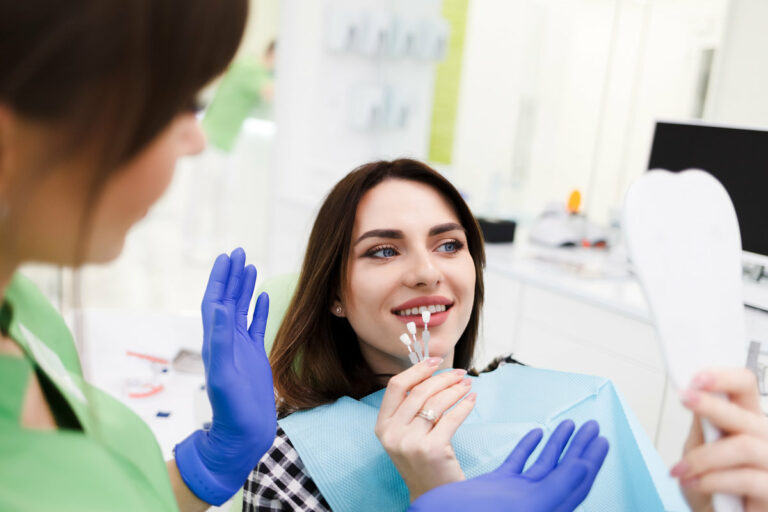
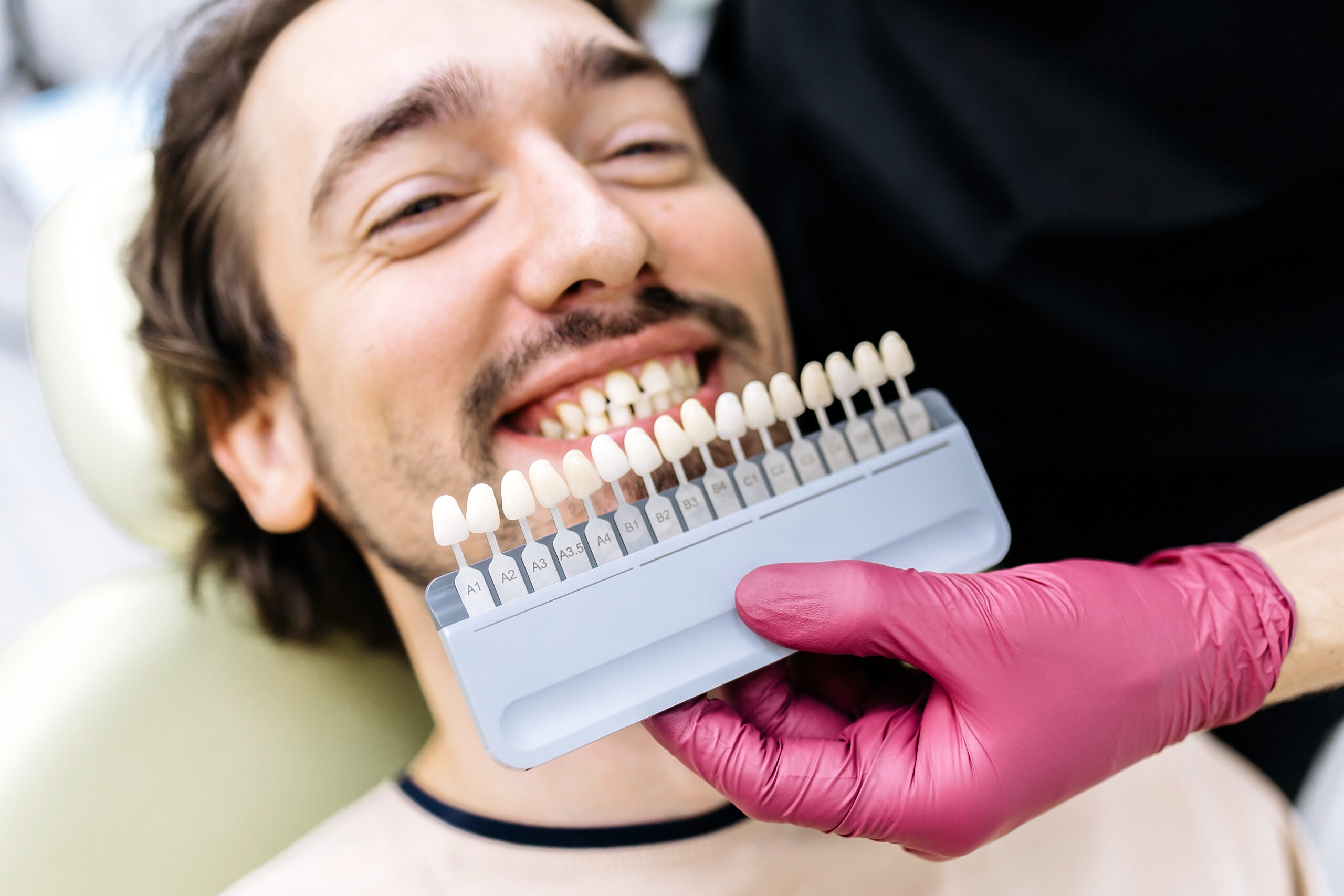
Achieving a natural-looking smile in cosmetic dentistry relies heavily on precise color matching techniques that replicate the unique shades and translucency of a patient’s teeth. Effective shade selection is foundational, involving careful comparison under varied lighting to identify the exact tooth color. Color blending is then employed to seamlessly integrate restorations with adjacent teeth, ensuring no abrupt hue changes are visible. Opacity adjustment plays a critical role, as controlling the translucency of dental materials mimics natural enamel depth. Additionally, undertone matching is essential to capture subtle color influences such as warm or cool hues that affect overall tooth appearance. Together, these techniques create restorations that harmonize with a patient’s natural dentition, enhancing aesthetic outcomes and patient satisfaction.
How Texture and Translucency Affect Smile Naturalness
Beyond accurate color matching, the tactile and visual qualities of tooth surfaces greatly influence the perceived authenticity of dental restorations. Texture variations on the enamel, such as subtle ridges, grooves, and surface irregularities, replicate the natural complexity of teeth, preventing an overly uniform or artificial appearance. Similarly, translucency effects play a critical role in mimicking how natural teeth interact with light. Properly calibrated translucency allows light to penetrate and scatter within the restoration, creating depth and liveliness. Neglecting these factors can result in restorations that appear flat or opaque, diminishing smile naturalness. Consequently, cosmetic dentistry must integrate both texture variations and translucency effects meticulously to achieve restorations that harmonize seamlessly with the patient’s existing dentition, enhancing overall esthetic integration and patient satisfaction.
Balancing Symmetry and Individuality in Cosmetic Dentistry
While symmetry is often associated with aesthetic appeal in cosmetic dentistry, an overly uniform smile can appear unnatural and detract from a patient’s unique character. Effective symmetry assessment involves analyzing the alignment, proportion, and harmony of dental features while recognizing subtle asymmetries that contribute to naturalness. Cosmetic dentists prioritize individuality expression by preserving distinctive traits such as minor variations in tooth size, shape, and position. This balance guarantees that the smile complements the patient’s facial structure and personality without appearing contrived. A tailored approach allows for enhancements that maintain authenticity, fostering patient satisfaction and confidence. Ultimately, the integration of precise symmetry assessment with respect for individuality expression defines a natural-looking smile that is both attractive and true to the patient’s identity.
The Impact of Smile Dynamics and Lip Movement
Understanding a natural-looking smile extends beyond static dental features to include the dynamic interplay between smile mechanics and lip movement. Smile dynamics refer to how the teeth, gums, and lips interact during various expressions, influencing the perceived authenticity of a smile. Effective cosmetic dentistry must account for lip movement, as the lips frame the teeth and affect visibility, shape, and proportion during speech and emotion. Proper assessment of smile dynamics guarantees restorations complement natural muscular activity, avoiding artificial or rigid appearances. By analyzing lip mobility and its relationship with tooth display, clinicians can create outcomes that harmonize with the patient’s unique facial expressions. This patient-focused approach enhances comfort and confidence, resulting in a truly natural and aesthetically pleasing smile.
Choosing the Right Cosmetic Procedures for Your Unique Smile
Selecting appropriate cosmetic procedures requires a thorough evaluation of each patient’s distinct dental anatomy and aesthetic goals. Treatment plans must harmonize functional integrity with visual appeal to achieve a natural appearance. Customized approaches guarantee that the smile enhancement complements individual facial features and oral health needs.
Personalized Treatment Plans
Because each individual’s dental structure and aesthetic goals vary, cosmetic dentistry requires tailored treatment plans to achieve a natural-looking smile. Personalized treatment plans begin with customized consultations that thoroughly assess oral anatomy, dental health, and patient preferences. This detailed evaluation allows dental professionals to recommend specific procedures—such as veneers, bonding, or whitening—that align precisely with the unique characteristics and desires of the patient. Emphasizing patient preferences guarantees that the chosen interventions respect both functional needs and aesthetic aspirations, fostering satisfaction and long-term success. By integrating clinical expertise with individualized considerations, these treatment plans optimize the harmony and authenticity of the final result. Such an approach guarantees that cosmetic enhancements complement the patient’s natural features, avoiding a generic or artificial appearance.
Balancing Function and Aesthetics
While aesthetic appeal is a primary goal in cosmetic dentistry, maintaining or enhancing dental function is equally critical to guarantee long-term oral health. Achieving a natural-looking smile necessitates a careful balance between functionality and aesthetics, ensuring that cosmetic improvements do not compromise bite, speech, or chewing efficiency. Dental professionals assess each patient’s unique oral structure and habits to select procedures that promote dental harmony, integrating restorative techniques with cosmetic enhancements. This patient-focused approach prioritizes both the visual outcome and the mechanical integrity of teeth, preserving their strength and alignment. Ultimately, choosing the right cosmetic procedures requires a nuanced understanding of how form and function interact to create a smile that is not only beautiful but sustainable and healthy over time.
Frequently Asked Questions
How Long Do Natural-Looking Cosmetic Dental Treatments Typically Last?
Natural-looking cosmetic dental treatments typically last 5 to 15 years, depending on treatment longevity and patient-specific factors. Ideal dental maintenance, including regular check-ups and proper hygiene, greatly extends the lifespan and appearance of these treatments.
What Are the Common Materials Used for Natural-Looking Dental Veneers?
Common materials for natural-looking dental veneers include ceramic veneers, prized for their translucency and durability, and composite resin, favored for cost-effectiveness and ease of repair, both ensuring patient-specific aesthetic and functional outcomes.
Can Cosmetic Dentistry Help With Sensitive Teeth While Improving Smile Aesthetics?
Cosmetic solutions can effectively address sensitive teeth by incorporating protective materials and techniques that reduce discomfort while enhancing aesthetics. Treatments such as veneers or bonding simultaneously improve smile appearance and alleviate sensitivity for patient comfort.
How Does Age Affect the Approach to Creating a Natural-Looking Smile?
Age considerations greatly impact smile design, as tissue elasticity, tooth wear, and facial structure change over time. Customized approaches guarantee natural aesthetics and functionality, addressing patient-specific aging factors for ideal, age-appropriate cosmetic outcomes.
Are There Non-Invasive Options to Enhance Smile Naturalness Without Veneers?
Non-invasive options to enhance smile naturalness include professional whitening treatments that brighten teeth subtly and bonding techniques that repair minor imperfections, both preserving tooth structure while achieving a patient-focused, aesthetically pleasing result without veneers.