Are Cosmetic Dental Procedures Painful?
Cosmetic dental procedures often raise concerns about pain and discomfort. While individual experiences vary, many treatments are designed to minimize pain through advanced techniques and anesthesia. Understanding how different procedures impact sensitivity and what to expect during recovery can help patients prepare mentally and physically. Exploring these aspects reveals why some treatments might cause only mild discomfort, whereas others require more careful pain management strategies.
Understanding Pain Perception in Dental Procedures
Although dental procedures often provoke anxiety related to pain, understanding how pain is perceived during these treatments is essential for both practitioners and patients. Pain tolerance varies greatly among individuals, influenced by physiological and psychological factors. Psychological factors, such as fear, anxiety, and previous dental experiences, can heighten pain sensitivity, altering a patient’s perception of discomfort. Practitioners who recognize these factors can tailor their approach, using calming techniques and clear communication to reduce anxiety and improve pain management. Furthermore, patients informed about what to expect tend to report lower pain levels, as knowledge mitigates fear. In-depth understanding of pain perception enables more effective, empathetic dental care, ensuring that cosmetic procedures are as comfortable as possible while respecting individual differences in pain tolerance and psychological state.
Pain Levels in Common Cosmetic Treatments
Common cosmetic dental treatments vary in the level of discomfort they may cause. Teeth whitening often leads to temporary sensitivity, while veneer application can result in mild irritation during the bonding process. Invisalign adjustments may cause soreness as the teeth shift into new positions, but these sensations typically subside quickly.
Teeth Whitening Sensations
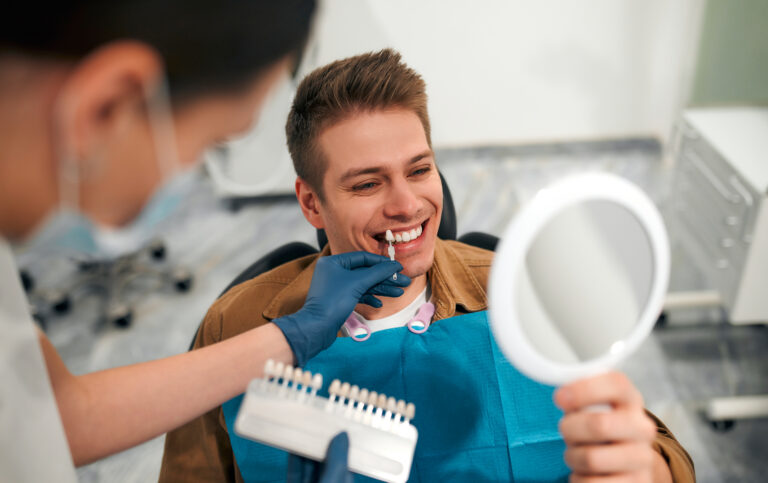
How intense are the sensations experienced during teeth whitening procedures? Generally, patients report mild to moderate teeth sensitivity when undergoing whitening treatments. This sensitivity typically occurs because whitening products contain peroxide-based agents that temporarily increase tooth permeability. While the discomfort is usually short-lived, it can cause a sharp or tingling sensation, particularly when consuming hot or cold foods and beverages after treatment. Dental professionals often recommend desensitizing toothpaste or adjusting the concentration of whitening products to minimize discomfort. It is important for individuals to communicate any pain experienced during the procedure to guarantee appropriate measures are taken. Overall, while teeth whitening can cause some sensitivity, it is usually manageable and temporary, making it a well-tolerated cosmetic dental option for most patients.
Veneers Application Discomfort
To what extent do patients experience discomfort during the application of dental veneers? Generally, veneers discomfort is minimal due to the conservative nature of the procedure and the use of local anesthesia. During the application experience, slight pressure or sensitivity may occur when the dentist prepares the tooth surface by removing a thin enamel layer. Some patients report mild sensitivity to temperature changes immediately after placement, which typically resolves within days. The bonding process itself is painless and quick. Overall, while minor discomfort can arise, it is usually well-managed and short-lived. Dental professionals emphasize thorough communication to guarantee patients understand what sensations to expect, thereby improving comfort levels throughout the veneers application experience.
Invisalign Adjustment Pain
Although Invisalign is widely regarded as a comfortable alternative to traditional braces, patients may experience varying degrees of discomfort during adjustment periods. Invisalign discomfort typically arises when a new set of aligners is introduced, exerting gentle pressure to shift teeth into their desired positions. This pressure can lead to adjustment soreness, which usually manifests as mild to moderate tenderness in the teeth and gums. Such soreness is generally temporary, lasting a few days as the mouth adapts to the aligners. Effective pain management strategies, including over-the-counter analgesics and cold compresses, can alleviate symptoms. Dental professionals emphasize that this adjustment soreness is a normal part of the treatment process and often indicates that the aligners are working effectively to achieve ideal results without causing significant pain or long-term discomfort.
Teeth Whitening: Sensitivity vs. Pain
Why do some individuals experience discomfort while others feel only mild sensitivity during teeth whitening treatments? The variation often depends on factors related to teeth whitening techniques and the whitening product effectiveness. Sensitivity is common, caused by temporary enamel permeability changes, whereas pain is rare and usually indicates an underlying issue. Key factors include:
- Concentration and type of whitening agents used—higher concentrations may increase sensitivity.
- Duration and frequency of treatment—prolonged exposure can amplify discomfort.
- Individual enamel thickness and pre-existing dental conditions—thinner enamel or exposed dentin can heighten sensitivity.
Understanding these factors helps set realistic expectations. While mild sensitivity is typical and temporary, pain signals the need for professional evaluation to adjust the whitening approach, ensuring both safety and ideal cosmetic results.
Veneers and Crowns: What to Expect
Veneers and crowns typically involve multiple steps, including tooth preparation, impression taking, and final placement. Patients may experience some discomfort during and after the procedure, but various pain management options are available to guarantee comfort. Understanding the process and available treatments can help set realistic expectations and alleviate anxiety.
Procedure Steps Overview
When considering cosmetic dental procedures such as veneers and crowns, understanding the specific steps involved can help alleviate anxiety and set realistic expectations. Different procedure types may vary slightly, but patient experiences generally follow a similar pattern:
- Initial Consultation and Assessment: The dentist evaluates the patient’s oral health and discusses desired outcomes, helping to select the appropriate treatment plan.
- Preparation: For veneers, a thin layer of enamel is removed; for crowns, the tooth is shaped to fit the restoration. Impressions are taken to create custom veneers or crowns.
- Placement and Adjustment: Once fabricated, the veneers or crowns are bonded to the teeth. The dentist guarantees proper fit and bite alignment before finalizing the procedure.
This overview aims to clarify the process and reduce patient concerns about discomfort or complexity.
Pain Management Options
Although cosmetic dental procedures such as veneers and crowns are generally well-tolerated, effective pain management is essential to guarantee patient comfort throughout the process. Dentists employ various pain relief techniques, including local anesthesia to numb the treatment area, ensuring minimal discomfort during tooth preparation. For post-procedure soreness, over-the-counter pain medications are commonly recommended. Additionally, anxiety management strategies play a significant role in alleviating patient stress and enhancing overall experience. These may include guided relaxation, sedation options, or clear communication to set expectations. By combining appropriate pain relief methods with personalized anxiety management, dental professionals help patients undergo cosmetic treatments with confidence and minimal discomfort, promoting a positive outcome and satisfaction with their new smile.
Managing Discomfort During Dental Implants
Because dental implant procedures involve surgical intervention, managing discomfort effectively is essential for patient recovery and satisfaction. Proper dental implant care and understanding the recovery timeline help minimize pain and promote healing. Patients are advised to:
- Follow prescribed medication schedules, including pain relievers and antibiotics, to control inflammation and prevent infection.
- Maintain excellent oral hygiene with gentle brushing and rinsing to support tissue healing without disrupting the implant site.
- Adhere to dietary recommendations, avoiding hard or spicy foods that may irritate the surgical area during the initial recovery phase.
Role of Anesthesia in Cosmetic Dentistry
Effective management of pain and discomfort during and after dental procedures often depends on the appropriate use of anesthesia. In cosmetic dentistry, various anesthesia types are employed to guarantee patient comfort throughout treatment. Local anesthesia is the most common, numbing specific areas to prevent pain without affecting consciousness. For more extensive procedures or patient anxiety, sedation options such as nitrous oxide or intravenous sedation may be used to promote relaxation. General anesthesia is rarely necessary but can be considered for complex cases or patients with extreme dental phobia. The careful selection and administration of anesthesia types are essential for minimizing discomfort and enhancing the overall patient experience. Dentists tailor anesthesia protocols to individual needs, prioritizing safety and comfort to facilitate successful cosmetic outcomes.
Post-Procedure Pain and Recovery Tips
How can patients best manage discomfort following cosmetic dental procedures? Effective post procedure care is essential to minimize pain and promote healing. Employing appropriate pain relief methods can greatly enhance recovery comfort. Patients are advised to:
- Use over-the-counter pain relievers as recommended by the dental professional to control mild to moderate discomfort.
- Apply cold compresses to the affected area intermittently during the first 24 hours to reduce swelling and numb pain.
- Maintain gentle oral hygiene practices, avoiding vigorous brushing near the treated site to prevent irritation.
Adhering to these guidelines supports a smoother recovery process and helps patients return to normal activities promptly. Professional advice should always be followed to tailor post procedure care to individual needs.
When to Contact Your Dentist About Pain
While mild discomfort following cosmetic dental procedures is common and often manageable with standard care, certain types of pain may indicate complications requiring professional attention. Knowing when to seek help is vital for preventing worsening conditions. Persistent or intensifying pain beyond the expected recovery period, accompanied by swelling, fever, or unusual discharge, are clear signs of complications. Additionally, severe throbbing pain, numbness, or difficulty in chewing warrant prompt dental evaluation. Patients should also contact their dentist if pain disrupts sleep or daily activities, as these symptoms may signal infection or nerve involvement. Timely communication with a dental professional guarantees appropriate diagnosis and treatment, promoting safe recovery and peak outcomes after cosmetic dental work. Recognizing when to seek help safeguards oral health and patient well-being.
Frequently Asked Questions
Can Cosmetic Dental Procedures Affect My Speech Temporarily?
Cosmetic dental procedures can cause temporary adjustments affecting speech clarity. Patients may notice minor changes as they adapt to new dental work, but these effects typically diminish quickly, allowing normal speech to resume without lasting impact.
How Long Do Cosmetic Dental Appointments Usually Take?
Appointment duration for cosmetic dental procedures varies, typically ranging from 30 minutes to several hours depending on procedure types such as teeth whitening or veneers. Scheduling considerations reflect patient comfort, complexity, and desired outcomes.
Are There Age Restrictions for Cosmetic Dental Treatments?
Age considerations influence treatment eligibility for cosmetic dental procedures, as some treatments may be unsuitable for very young patients due to ongoing development. Dentists assess individual maturity and oral health before recommending appropriate options.
Will Cosmetic Dental Work Change My Bite or Chewing Ability?
Cosmetic dental work can influence bite alignment and chewing comfort. Skilled dentists carefully design treatments to preserve or improve function, minimizing discomfort and ensuring the patient maintains ideal bite and chewing ability throughout and after procedures.
How Often Should Cosmetic Dental Procedures Be Repeated or Maintained?
Maintenance frequency varies by procedure, with some requiring annual check-ups while others last several years. Procedure longevity depends on factors like materials used and patient care, emphasizing professional guidance for ideal cosmetic dental outcomes.