What to Expect During a Braces Consultation in Yorktown Heights
When you arrive for your braces consultation in Yorktown Heights, prepare for a patient-centered experience that prioritizes your comfort and understanding. You’ll start with some essential paperwork, ensuring your details are in order. Then, meet the friendly orthodontic team who’ll guide you through the process. A thorough oral examination follows, evaluating your dental alignment and gum health using advanced techniques. Curious about the next steps and potential treatment options? Let’s explore them further.
Arriving at the Orthodontist’s Office
Upon arriving at the orthodontist’s office in Yorktown Heights, you’ll first notice the welcoming and modern design that aims to ease any anxiety about your braces consultation. The arrival experience is crafted to offer comfort and reassurance. From the moment you step in, the office atmosphere reflects a blend of contemporary aesthetics and cutting-edge orthodontic technology. The spacious, light-filled waiting area is designed with your relaxation in mind, featuring comfortable seating and calming décor. The staff is trained to greet you warmly, ensuring your initial interactions set a positive tone. You’ll also find a range of modern braces solutions in Yorktown Heights available, seamlessly integrating patient-focused care with the latest orthodontic advancements to minimize stress and maximize confidence during your first visit.
Initial Paperwork and Registration
The first step in your braces consultation at the Yorktown Heights orthodontist’s office involves handling the initial paperwork and registration process. This guarantees all your details are accurate, setting the groundwork for a seamless visit. You’ll encounter several initial forms, which cover your medical history, insurance information, and personal details. Here’s what you’ll typically need to complete:
- Personal Information Form: Provides essential contact details and demographic data.
- Medical History Questionnaire: Gathers extensive health details, fundamental for customized treatment plans.
- Insurance Verification: Confirms coverage specifics to streamline billing and minimize out-of-pocket expenses.
Each form plays an important role in the registration process, aiming to optimize your orthodontic care experience. By preparing these documents in advance, you’ll facilitate a smoother and more efficient consultation.
Meeting the Orthodontic Team
As you step into the consultation room, you’ll meet the dedicated orthodontic team enthusiastic to guide you through your braces journey. Team introductions are thoughtfully conducted to guarantee you feel comfortable and informed. You’ll meet the orthodontist, who possesses a wealth of technical expertise, ready to customize the best treatment plan for you. The dental assistants and administrative staff will also introduce themselves, highlighting their roles in your ongoing care.
The office culture here is welcoming and patient-focused, designed to make you feel at ease. Everyone is committed to delivering high-quality care, ensuring each interaction is pleasant and informative. By fostering open communication, they prioritize your needs and address any queries. You’ll feel confident knowing you’re in capable hands.
Comprehensive Oral Examination
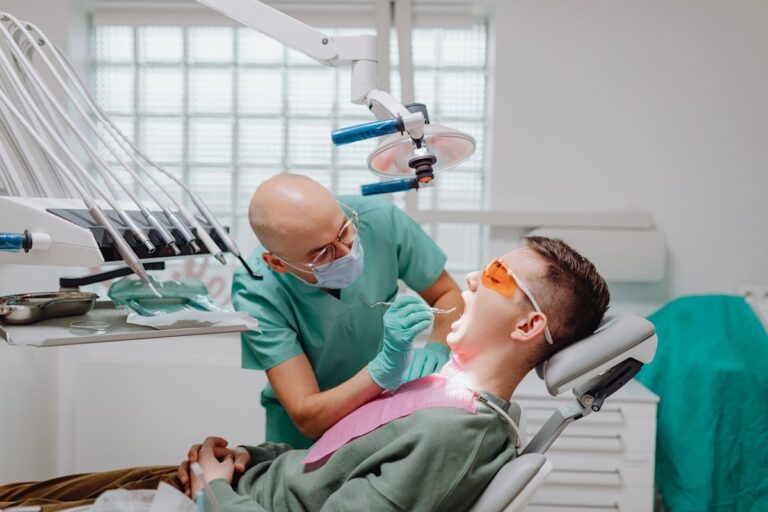
During your thorough oral examination, we’ll thoroughly assess your dental alignment and check the health of your gums. Our focus is on identifying any irregularities that might affect your orthodontic treatment plan. By using advanced diagnostic tools, we guarantee that every aspect of your oral health is carefully evaluated to set the foundation for successful braces treatment.
Assessing Dental Alignment
When considering braces, understanding your dental alignment through a thorough oral examination is essential. This step identifies dental misalignment causes, such as genetics, poor oral habits, or trauma. Here’s what you can expect during the assessment:
- Visual Inspection: Your orthodontist will analyze your bite and how your teeth align, looking for signs of crowding, spacing, or overbite.
- Imaging Techniques: Advanced imaging, like X-rays or digital scans, provides a detailed view of teeth positioning and jaw structure, aiding in diagnosing alignment issues.
- Treatment Planning: With a clear understanding of your dental landscape, the orthodontist outlines the orthodontic treatment benefits, such as improved function and aesthetics, ensuring you’re well-informed about your options.
This evaluation is a critical step toward achieving a healthier smile.
Checking Gum Health
Having assessed your dental alignment, the next focus is on evaluating gum health, an integral part of a thorough oral examination. Your orthodontist will carefully examine your gums for signs of inflammation or bleeding, which can indicate gum disease. Healthy gums are essential for the successful application and long-term wear of braces.
During this evaluation, they’ll check for periodontal pockets, which are spaces between the teeth and gums that can harbor bacteria if oral hygiene isn’t maintained. The presence of these pockets may require additional treatment before proceeding with braces. The orthodontist will also discuss your oral hygiene practices, ensuring you’re equipped with the tools and techniques needed to keep your gums healthy throughout your orthodontic journey. Proper gum care is pivotal for ideal orthodontic outcomes.
Discussing Dental History and Concerns
How does your dental history shape the path to a straighter smile? During your braces consultation, your orthodontist will explore your past treatments and current dental concerns to tailor a plan that best meets your treatment expectations. Understanding your dental background helps in identifying potential challenges and guarantees a smooth process. Here’s what you’ll discuss:
- Previous Treatments: Mention any past orthodontic or dental procedures; they influence current treatment options.
- Current Concerns: Discuss any discomfort or specific issues you’re experiencing, such as crowding or bite misalignment.
- Treatment Goals: Clearly communicate your expectations, whether it’s cosmetic improvement or functional correction.
This dialogue helps your orthodontist craft a personalized strategy that aligns with your dental history, setting the foundation for successful orthodontic treatment.
Diagnostic Imaging and X-rays
When you’re considering braces, understanding the role of diagnostic imaging and X-rays is essential in developing a thorough treatment plan. These imaging techniques, including panoramic and cephalometric X-rays, provide detailed views of your teeth, jaws, and facial structure, ensuring precise alignment strategies. Your orthodontist uses these images to assess the positioning of your teeth and bone health, making them indispensable tools in planning effective orthodontic care.
Importance of X-rays
While considering orthodontic treatment, it is vital to understand the role of X-rays in diagnosing and planning your braces journey. The importance of X-rays cannot be overstated, as they provide an extensive view of your dental structure that isn’t visible to the naked eye. Here’s why they’re important:
- Bone Health Assessment: X-rays reveal the condition of jawbone density and structure, ensuring there are no underlying issues that might interfere with braces.
- Tooth Positioning Insight: They help orthodontists see the exact positioning of teeth, including those yet to erupt, to design an effective treatment plan.
- Diagnostic Benefits: X-rays enable the detection of hidden dental problems, such as cavities and impacted teeth, allowing for more accurate and personalized orthodontic care.
Imaging Techniques Explained
Understanding the array of imaging techniques available in orthodontics can greatly enhance your treatment experience. During your braces consultation in Yorktown Heights, the orthodontist might employ advanced imaging technology to assess your dental structure. Dental radiography, commonly known as X-rays, is pivotal for visualizing the intricate details of your teeth and jaw. These images reveal underlying issues that aren’t visible to the naked eye, such as impacted teeth or root positions.
Digital imaging technology offers precise, high-resolution images, minimizing radiation exposure. Techniques like panoramic X-rays provide an extensive view of your entire mouth in a single image, while cephalometric X-rays focus on your jaw’s alignment. Understanding these tools guarantees you’re informed and confident throughout your orthodontic journey, paving the way for effective treatment planning.
Understanding Different Treatment Options
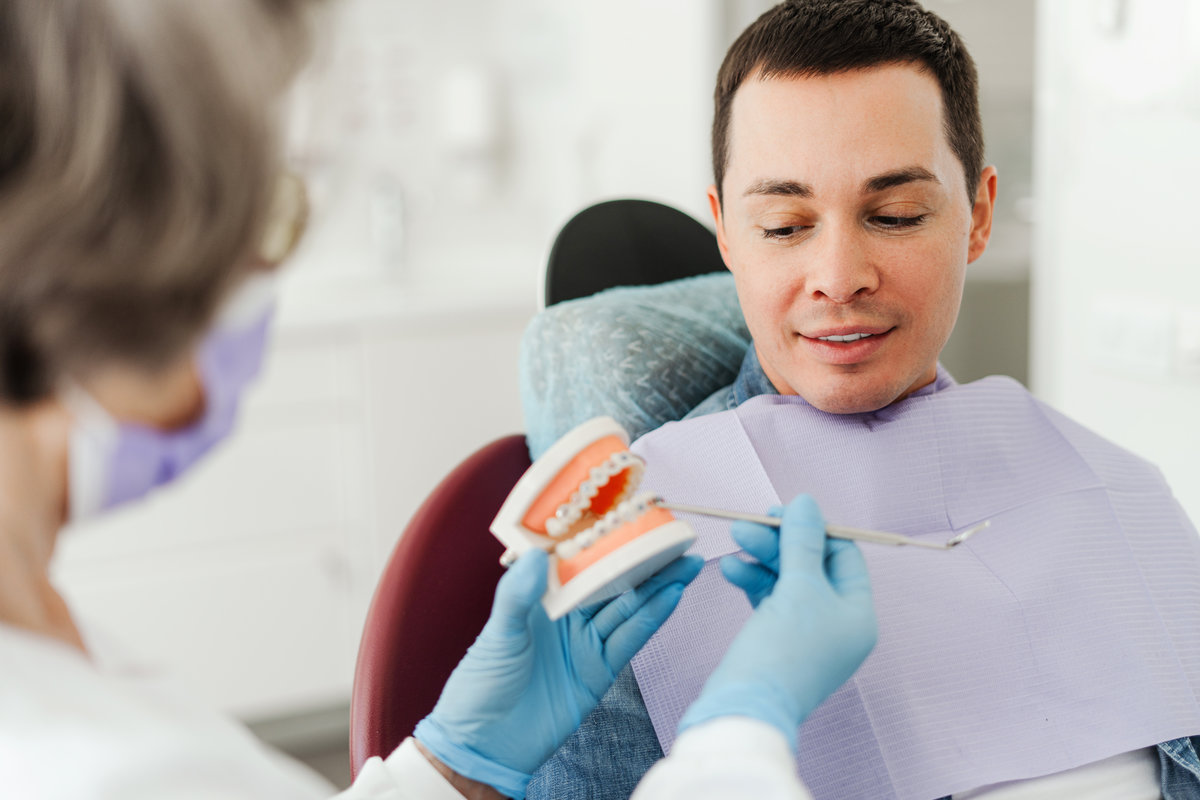
Reflecting on the variety of orthodontic treatments available can be overwhelming, but it’s important to understand your options to make an informed decision. You’ll need to take into account not only treatment types but also how they align with your patient preferences. Here’s a breakdown of common options:
- Traditional Braces: These are metal brackets bonded to each tooth, connected by wires. They’re effective for complex cases but require regular adjustments.
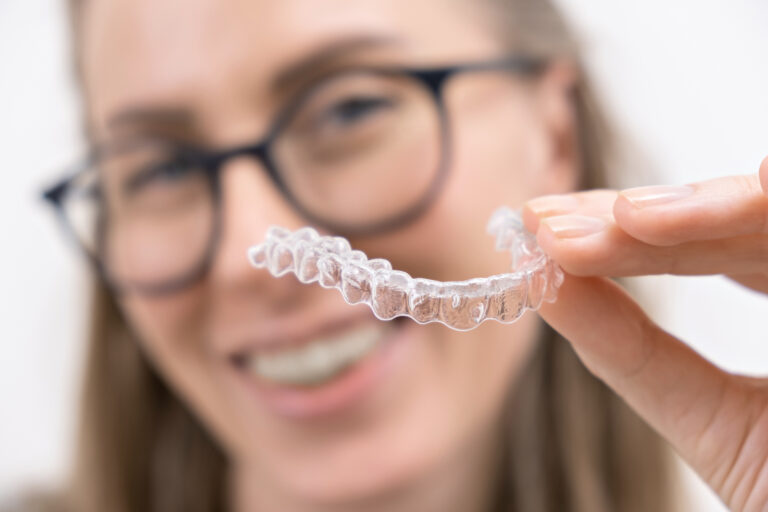
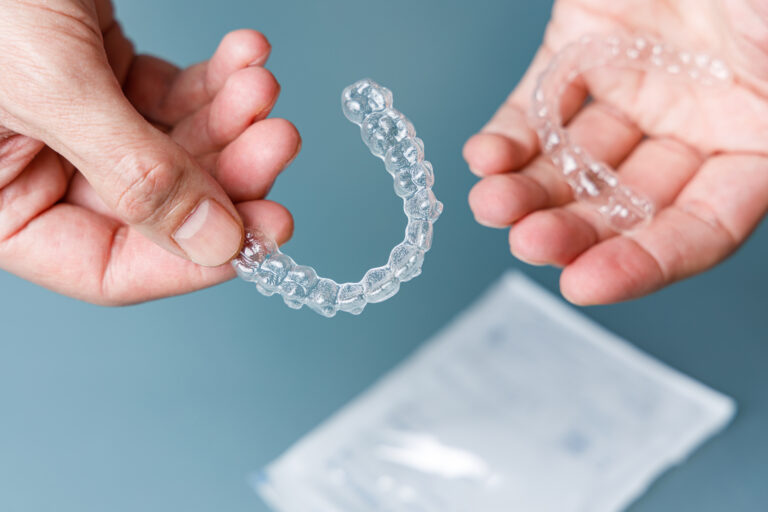
- Clear Aligners: A series of custom-made, removable trays that gradually shift teeth. They offer the advantage of being nearly invisible and convenient for oral hygiene.
- Lingual Braces: Similar to traditional braces, but placed on the tongue side of teeth. They’re discreet but might require longer adjustment periods.
Understanding these options equips you to have meaningful discussions with your orthodontist.
Crafting a Personalized Treatment Plan
How can you guarantee your orthodontic treatment plan is as unique as your smile? It starts with setting clear treatment goals. During your consultation in Yorktown Heights, your orthodontist will assess your dental structure and discuss desired outcomes. This helps tailor a plan designed specifically for you.
To ascertain the treatment fits seamlessly into your life, lifestyle adjustments are considered. Whether you’re an athlete needing a mouthguard or someone who travels frequently, your plan can adapt to these needs. Your orthodontist will explain any necessary changes to your daily routine to maintain progress and comfort.
Financial Considerations and Payment Plans
When considering braces in Yorktown Heights, you’ll want to explore how your insurance can offset costs and what coverage options are available. It’s essential to understand the specifics of your plan, as some may cover only certain types of braces. For any out-of-pocket expenses, flexible payment plans are designed to help manage costs in a way that aligns with your budget.
Insurance Coverage Options
Maneuvering the maze of insurance coverage options for braces can feel overwhelming, but understanding your financial factors and available payment plans is essential for making informed decisions. Steering through insurance benefits and coverage limitations requires careful attention. Here’s what to take into account:
- Insurance Benefits: Determine if your plan includes orthodontic treatment, and if so, the extent of coverage. This could greatly reduce your out-of-pocket expenses.
- Coverage Limitations: Be aware of age restrictions and lifetime maximums that could limit the benefits you receive for braces treatment.
- Pre-Authorization Requirements: Some insurers require pre-authorization before starting treatment. Make sure you complete this step to avoid unexpected costs.
Consult with your orthodontist and insurance provider to clarify these elements, ensuring a smoother financial journey through your braces experience.
Flexible Payment Plans
Maneuvering the financial considerations of orthodontic treatment, it is crucial to explore flexible payment plans that accommodate your budgetary needs. Many orthodontic practices in Yorktown Heights offer flexible financing solutions, ensuring that your journey to a healthier smile doesn’t strain your finances. During your consultation, inquire about the various payment options available. Some practices provide interest-free monthly installments, which can make treatment more accessible.
Additionally, you might find options like extended payment plans that spread costs over a longer period, reducing immediate financial pressure. Discuss any available discounts for upfront payments, or family plans if multiple members require treatment. By understanding these options, you can select a plan that aligns with your financial situation, helping you achieve the smile you desire without undue stress.
Scheduling Your Next Appointment
How might you guarantee a seamless process for scheduling your next braces consultation in Yorktown Heights? By implementing efficient scheduling tips and utilizing appointment reminders, you can enhance your experience and ascertain timely visits. Here’s how:
- Leverage Digital Tools: Use online scheduling platforms to select convenient times, reducing administrative delays and optimizing your visit schedule.
- Set Automated Reminders: Enable text or email notifications to receive timely reminders about upcoming appointments, minimizing the risk of missed visits.
- Plan Ahead: Align future appointments with your personal calendar, considering work, school, and other commitments to minimize potential conflicts.
These steps will not only streamline your scheduling process but also facilitate consistent orthodontic care. Prioritizing these tips will help you maintain a stress-free journey towards achieving your desired smile.
Frequently Asked Questions
How Long Will the Entire Consultation Process Take?
The consultation timeline typically takes about 45 minutes to an hour. You can expect a thorough examination, discussion of treatment options, and any queries you’ll have addressed during the appointment, ensuring you’re informed and comfortable with the process.
Can I Eat Before My Braces Consultation Appointment?
Yes, you can eat before your braces consultation. A balanced braces diet helps assess your dental health. Consultation tips include brushing your teeth afterward to guarantee a clean mouth for an accurate examination by your orthodontist.
Will I Experience Any Pain During the Consultation?
You won’t experience pain during the consultation. It’s primarily for assessment and discussion. They’re skilled in pain management, ensuring comfort. Understanding consultation expectations helps you feel at ease, as it’s mostly about evaluating your orthodontic needs.
How Should I Prepare My Child for Their Braces Consultation?
To prepare your child, explain braces’ benefits to ease any anxiety. Highlight improved oral health and aesthetics. Encourage questions, assure them it’s a routine assessment, and remind them the orthodontist is skilled in making kids comfortable.
Are There Any Specific Items I Should Bring to the Consultation?
You’ll want to bring your child’s dental records and a list of braces types you’re considering. Prepare consultation questions about treatment duration, costs, and care instructions. This guarantees a productive discussion and tailored orthodontic advice.