
How Long Does a Smile Makeover Actually Take?
The duration of a smile makeover varies widely depending on the specific treatments involved and the patient’s individual oral health. Simple procedures like teeth whitening may be completed quickly, while more complex interventions such as veneers, orthodontics, or dental implants require extended time frames for preparation and healing. Understanding these timelines is essential for setting realistic expectations and planning effectively. Exploring the factors that influence treatment length provides valuable insight into what a patient might anticipate.
Factors Influencing the Duration of a Smile Makeover
Although the overall timeline for a smile makeover varies, several key factors consistently influence its duration. Treatment complexity, including the number and type of dental procedures required, plays a significant role. Patient expectations also impact timing; more extensive changes generally require longer periods for ideal results. Additionally, cost considerations may affect the choice and scheduling of treatments, as some procedures involve multiple visits or extended healing times. The patient’s oral health status can influence preparation time, with necessary preliminary treatments potentially extending the process. Effective communication between the dental professional and patient guarantees realistic timelines and satisfactory outcomes. Understanding these factors enables patients to anticipate the duration accurately, facilitating informed decisions and a smoother smile makeover experience.
Timeline for Teeth Whitening Procedures
Teeth whitening procedures vary in duration depending on the method used, with in-office treatments typically completed within one to two hours. At-home whitening kits require consistent application over several days to weeks for ideal results. Factors such as the initial tooth shade and individual enamel sensitivity can influence the overall speed and effectiveness of the whitening process.
In-Office Whitening Duration
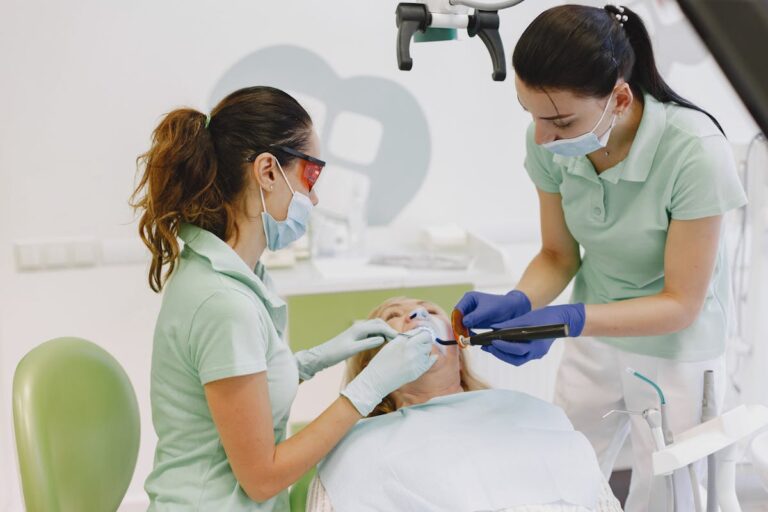
Several factors influence the duration of in-office whitening treatments, but most procedures typically last between 30 to 90 minutes. These sessions utilize advanced in office techniques designed to maximize whitening results efficiently and safely. The exact time depends on the strength of the whitening agent, the patient’s initial tooth shade, and sensitivity levels. During the procedure, a protective barrier is applied to gums before activating the whitening gel with a specialized light or laser. This accelerates the bleaching process, allowing for immediate, noticeable improvement. Patients can expect a significant enhancement in tooth brightness after a single visit. Overall, in-office whitening offers a convenient, professionally supervised approach to achieving rapid, effective whitening results within a relatively short timeframe.
At-Home Whitening Timeline
A typical at-home whitening timeline ranges from a few days to several weeks, depending on the product strength and individual compliance. At home kits usually include whitening products such as gels, strips, or trays that require daily or nightly application. Most users can expect gradual lightening over one to two weeks, with noticeable improvements by the end of this period. Consistent use according to manufacturer instructions is essential for best results. While some whitening products offer rapid effects within days, others provide a gentler, slower approach suitable for sensitive teeth. It is important to follow guidelines to avoid overuse, which can lead to discomfort. Overall, at home kits offer a convenient and effective option for teeth whitening that fits individual schedules.
Factors Impacting Whitening Speed
Although whitening procedures generally follow established protocols, the speed at which results appear can vary greatly based on multiple factors. The type and concentration of whitening products used greatly influence the timeline, with professional in-office treatments typically delivering faster outcomes than over-the-counter options. Additionally, individual enamel composition and the degree of staining affect how quickly teeth respond to whitening. Lifestyle choices, such as smoking, frequent consumption of staining beverages like coffee or red wine, and poor oral hygiene, can slow or diminish results. Consistency in following the recommended treatment regimen is also critical for achieving ideal speed and effectiveness. Understanding these factors allows patients to set realistic expectations and collaborate effectively with dental professionals to tailor whitening plans suited to their needs and goals.
How Long Do Veneers Take to Complete?
How long does the process of getting veneers typically take? Generally, the veneers procedure spans two to three appointments over two to four weeks. The initial visit involves consultation, tooth preparation, and impressions. Custom veneers are then fabricated in a dental laboratory, a process that can take one to two weeks. During the final appointment, veneers are carefully bonded to the teeth. This timeline may vary depending on individual cases and dental practice efficiency. Patients can expect a durable result, as the veneer lifespan often extends 10 to 15 years with proper care. The veneers procedure offers a reliable, long-lasting solution for enhancing smiles, balancing treatment duration with ideal aesthetic and functional outcomes.
Duration of Dental Bonding Treatments
Dental bonding treatments typically require a relatively short procedure time, often completed within a single appointment. The overall duration can vary depending on factors such as the number of teeth being treated and the complexity of the corrections needed. Understanding these variables helps set realistic expectations for patients undergoing this cosmetic enhancement.
Procedure Timeframe
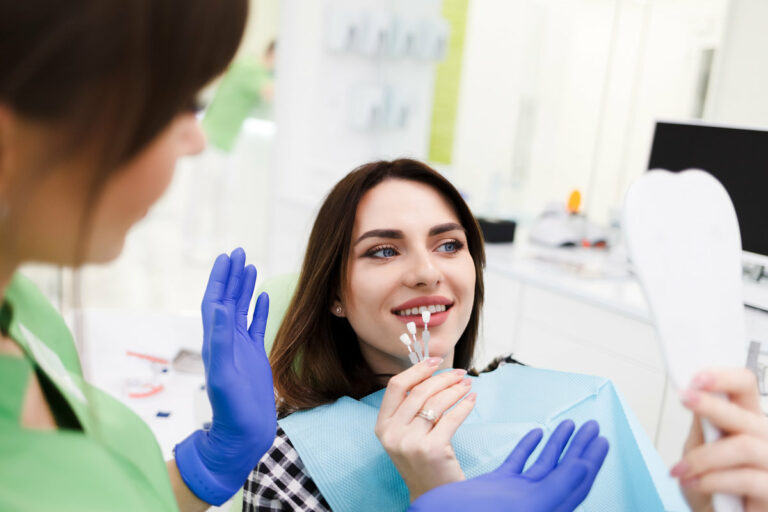
A typical dental bonding treatment can be completed within a single visit, often lasting between 30 minutes to an hour per tooth. The procedure timeframe depends on various factors, including the complexity of the case and the number of teeth involved. During the preparation stages, the tooth surface is lightly roughened to guarantee proper adhesion. Patient expectations are managed by explaining each step and anticipated duration beforehand. The dental professional carefully applies and sculpts the composite resin, followed by curing with a special light to harden the material.
Key procedure elements include: – Tooth surface preparation – Shade selection for natural appearance – Application of bonding agent – Layering and shaping composite resin – Final polishing for smooth finish
This structured process guarantees efficient treatment and predictable results.
Number of Appointments
Typically, one to two appointments are required to complete dental bonding treatments, depending on the complexity and extent of the work needed. During the initial appointment, the dentist conducts treatment planning, evaluating the patient’s needs and preparing the teeth for bonding. If minimal corrections are necessary, the procedure may be completed in a single visit. However, when multiple teeth or intricate adjustments are involved, a second appointment allows for refinement and guarantees ideal results. Appointment frequency is tailored to each case, balancing efficiency with precision. This approach guarantees patients receive thorough care without unnecessary delays, providing a seamless experience throughout the bonding process. Overall, the number of appointments is designed to accommodate individual needs while maintaining high standards of dental care.
Factors Affecting Duration
Several key factors influence the duration of bonding treatments, affecting how long the procedure takes from start to finish. Understanding these factors is essential for effective treatment planning and managing patient expectations. The complexity of the dental issues being addressed, such as the number and size of teeth involved, directly impacts the time required. Additionally, the skill and experience of the dental professional play a role in treatment efficiency. Patient cooperation and oral health condition also affect procedure length. Finally, the materials and technology used can either expedite or extend the process. Key factors include:
- Complexity of dental corrections
- Number of teeth treated
- Dentist’s expertise and technique
- Patient’s oral hygiene and cooperation
- Type of bonding materials and equipment used
Scheduling for Orthodontic Adjustments
When should patients expect to attend orthodontic adjustment appointments during a smile makeover? Typically, orthodontic treatments require regular visits every 4 to 6 weeks to monitor progress and make necessary corrections. Scheduling flexibility is essential to accommodate patients’ varied commitments without compromising treatment effectiveness. Appointment frequency may vary depending on the specific orthodontic method used and individual response to treatment. Consistent adjustments guarantee ideal tooth movement and alignment, directly influencing the overall timeline of the smile makeover. Dental professionals work closely with patients to establish a manageable schedule, minimizing disruptions while maintaining steady progress. Understanding and adhering to the recommended appointment frequency helps achieve desired outcomes efficiently and supports patient confidence throughout the smile transformation process.
Time Required for Dental Implants
Although the duration of dental implant procedures varies based on individual cases, understanding the general timeline can help patients plan effectively. The time required depends on factors including the dental implant types used and the patient’s healing process. Typically, the overall recovery timeline spans several months.
Key stages include:
- Initial consultation and imaging to assess bone structure
- Surgical placement of the implant post
- Healing period for osseointegration (3 to 6 months)
- Attachment of the abutment and impressions for the crown
- Final restoration placement and follow-up visits
Advanced implant types, such as immediate-load implants, may reduce treatment time but are case-dependent. A clear awareness of the recovery timeline contributes to realistic expectations and favorable outcomes.
Multiple Procedures: Coordinating a Smile Makeover Plan
Coordinating multiple dental procedures requires careful planning to achieve a cohesive and successful smile makeover. Treatment planning plays an essential role in sequencing various interventions such as implants, veneers, and orthodontics to optimize outcomes and minimize total treatment time. Procedure coordination guarantees that each step is timed appropriately, allowing for adequate healing and integration before progressing to the next phase. This strategic approach reduces complications and enhances overall efficiency. By collaborating closely with specialists and utilizing advanced diagnostic tools, dental professionals create a thorough schedule tailored to the patient’s unique needs. Effective procedure coordination not only streamlines the process but also provides patients with clear expectations regarding the duration and stages involved in their smile transformation.
Post-Treatment Care and Follow-Up Appointments
Successful smile makeovers depend not only on the procedures themselves but also on thorough post-treatment care and consistent follow-up appointments. Adhering to post treatment instructions is essential to guarantee ideal healing and longevity of results. Follow up visits allow dental professionals to monitor progress, address any complications, and make necessary adjustments. Patients are typically advised to maintain excellent oral hygiene, avoid certain foods, and report any discomfort promptly. Regular follow-up visits also help in reinforcing care routines and preserving the smile makeover’s outcome.
Key aspects of post-treatment care and follow-up include: – Strict adherence to post treatment instructions – Routine cleaning and oral hygiene maintenance – Avoidance of hard or staining foods initially – Monitoring for sensitivity or discomfort – Scheduled follow up visits to assess healing and results
Frequently Asked Questions
Does Insurance Typically Cover Smile Makeover Procedures?
Insurance coverage for smile makeover procedures varies, as many dental benefits exclude cosmetic treatments. Patients should consult their providers to understand specific plan details, ensuring clarity on which aspects, if any, qualify for reimbursement.
Are Smile Makeovers Painful?
Smile makeovers typically involve minimal discomfort due to effective pain management techniques. Patient experiences generally report mild sensitivity, which subsides quickly. Dentists prioritize comfort, ensuring procedures are as painless and reassuring as possible throughout treatment.
How Long Do Results From a Smile Makeover Last?
Smile longevity varies based on materials and care, typically lasting 5 to 15 years. Treatment duration influences results, with proper maintenance essential to maximize durability and preserve aesthetic improvements from the smile makeover procedure.
Can Smile Makeovers Be Done for Teens?
Teen smile makeovers are possible, provided dental eligibility is confirmed through thorough evaluation. Professionals assess oral development and health to guarantee appropriate treatment, offering safe, effective cosmetic improvements tailored to adolescents’ unique needs and growth stages.
What Are the Risks of Delaying a Smile Makeover?
Delayed treatment in smile makeovers can compromise dental health, leading to worsening decay, gum disease, or tooth misalignment. Prompt intervention guarantees ideal outcomes, preserving oral function and aesthetics while minimizing potential complications.