Can Cosmetic Dentistry Fix Uneven Teeth Without Braces?
Uneven teeth can affect both appearance and confidence, prompting many to contemplate braces as the primary solution. However, cosmetic dentistry offers alternative treatments that may correct minor irregularities without the time commitment of traditional orthodontics. Options such as veneers, bonding, and contouring provide immediate aesthetic improvements, but their suitability depends on the severity and nature of the misalignment. Understanding these possibilities is essential before choosing the most effective approach.
Understanding Uneven Teeth and Their Causes
Although uneven teeth are common, their underlying causes vary and can influence appropriate treatment options. The causes of unevenness include genetic predisposition, developmental issues, and habits such as thumb-sucking or prolonged pacifier use during childhood. Additionally, trauma or tooth loss can lead to shifting teeth and irregular spacing. Types of misalignment commonly observed include crowding, where teeth overlap due to limited space; spacing, characterized by gaps between teeth; and malocclusion, referring to improper bite alignment such as overbite, underbite, or crossbite. Understanding these distinctions is essential for selecting effective cosmetic dentistry interventions. Accurate diagnosis enables dental professionals to tailor treatments that address both functional and aesthetic concerns, ensuring ideal outcomes without relying solely on traditional orthodontic methods.
Limitations of Traditional Braces
Traditional braces often require an extended treatment period, which can span several months to years depending on the severity of the dental misalignment. Additionally, their noticeable appearance may cause aesthetic concerns for some patients during the correction process. Understanding these limitations is essential when considering orthodontic options for uneven teeth.
Braces Treatment Duration
The duration of braces treatment is influenced by several factors, including the complexity of the dental misalignment and individual patient response. Braces duration can vary greatly, affecting the overall treatment timeline. Key considerations include:
- Severity of misalignment – more complex cases require longer treatment.
- Patient age – younger patients often experience faster tooth movement.
- Compliance – adherence to orthodontist instructions impacts progress.
- Biological response – individual differences in bone remodeling affect timelines.
Typically, braces treatment ranges from 18 months to 3 years. Understanding these factors helps set realistic expectations regarding the treatment timeline. While effective, the extended duration of traditional braces remains a notable limitation for many seeking faster cosmetic solutions for uneven teeth.
Aesthetic Concerns With Braces
How do braces impact the appearance of a patient during treatment? Traditional braces, composed of metal brackets and wires, are often visibly prominent, which can conflict with certain aesthetic preferences. Many patients express concerns about the noticeable change in their smile, potentially affecting self-confidence and social interactions. Additionally, braces discomfort, including irritation of soft tissues and occasional soreness, can further contribute to an unpleasant experience. These limitations highlight why some individuals seek alternative cosmetic dentistry options to address uneven teeth without the visual and physical challenges associated with braces. While effective for alignment, traditional braces may not fully align with every patient’s desire for inconspicuous treatment, prompting consideration of less obtrusive methods that prioritize both dental correction and aesthetic appeal.
Veneers as a Solution for Uneven Teeth
Veneers are thin shells of porcelain or composite resin designed to cover the front surface of teeth, effectively masking unevenness. They offer a minimally invasive option that enhances tooth shape, size, and color with immediate results. This cosmetic approach provides a durable, natural-looking solution for patients seeking rapid improvement in dental aesthetics.
Veneers Overview
A popular cosmetic dentistry option for correcting uneven teeth involves thin, custom-made shells designed to cover the front surface of teeth. These shells, known as veneers, come in various types and require a specific veneer process for application. Common veneers types include porcelain and composite resin, each offering distinct durability and aesthetic qualities. The veneer process typically involves:
- Initial consultation and assessment of tooth condition
- Minimal tooth preparation and impression taking
- Custom fabrication of veneers in a dental lab
- Final bonding and adjustment to guarantee a natural fit
This approach allows for precise correction of unevenness, enhancing smile symmetry with minimal invasiveness. Understanding the veneers types and veneer process is essential for evaluating this cosmetic solution.
Benefits of Veneers
Enhancing the appearance of uneven teeth through cosmetic dentistry offers significant advantages, particularly when utilizing veneers. Porcelain veneers provide a durable, stain-resistant solution that can effectively mask imperfections such as misalignment, gaps, and discoloration. Among the veneers benefits is their ability to deliver immediate and noticeable aesthetic improvement without the need for lengthy orthodontic treatment. Additionally, porcelain veneers are custom-designed to match the natural shape and color of the patient’s teeth, ensuring a seamless, natural look. This minimally invasive procedure preserves more tooth structure compared to crowns, making it a conservative option. Overall, veneers combine functional and cosmetic benefits, making them a reliable and efficient choice for individuals seeking to correct uneven teeth discreetly and confidently.
Dental Bonding for Minor Imperfections
Addressing minor dental imperfections can be effectively achieved through dental bonding, a procedure that involves applying a tooth-colored resin to the affected areas. This technique offers a conservative and quick solution for improving the appearance of uneven teeth without the need for braces. Dental bonding is particularly suitable for small gaps, chips, discolorations, and slight shape irregularities.
Key advantages of dental bonding for minor imperfections include:
- Minimally invasive with little to no tooth enamel removal
- Immediate results in a single office visit
- Customizable resin matched precisely to natural tooth color
- Cost-effective compared to other cosmetic options
Invisalign and Clear Aligners Explained
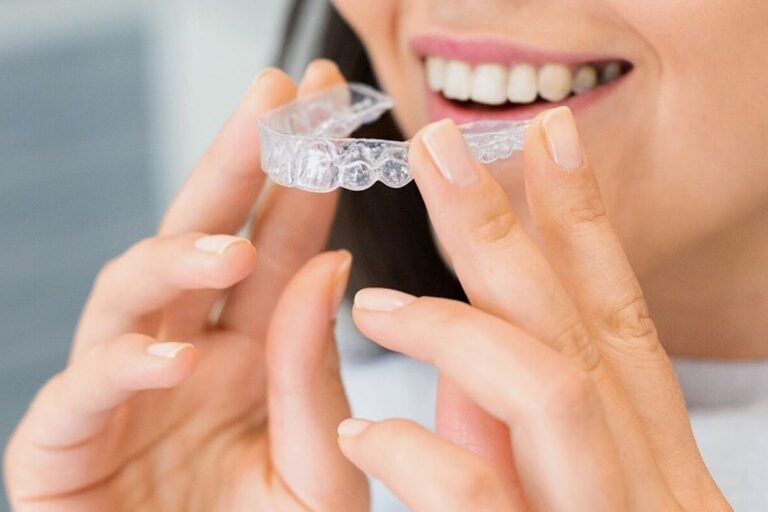
While traditional braces remain effective, Invisalign and clear aligners offer a discreet and flexible alternative for correcting uneven teeth. These transparent, removable devices gently shift teeth into alignment without the need for metal brackets or wires. One of the primary Invisalign benefits is their nearly invisible appearance, allowing patients to maintain confidence throughout treatment. Clear aligners also facilitate better oral hygiene, as they can be removed during eating and cleaning, reducing the risk of plaque buildup and gum irritation. Additionally, treatment plans are customized through digital imaging, ensuring precise tooth movements and predictable results. Although not suitable for all cases, Invisalign and clear aligners present a modern, patient-friendly option for those seeking effective cosmetic dentistry solutions without traditional braces.
Contouring and Reshaping Techniques
After exploring orthodontic options like Invisalign and clear aligners, attention can turn to contouring and reshaping techniques that offer immediate improvements in the appearance of uneven teeth. Tooth contouring involves carefully removing small amounts of enamel to subtly reshape teeth, enhancing symmetry and alignment without extensive treatment. These reshaping techniques are minimally invasive and typically completed in one visit, providing a quick cosmetic solution. Key benefits include:
- Smoothing rough edges for a uniform smile
- Reducing minor overlaps or uneven tooth lengths
- Enhancing tooth shape to complement facial aesthetics
- Improving bite comfort through subtle adjustments
While tooth contouring and reshaping techniques do not move teeth, they effectively refine their appearance, making them a valuable option for mild unevenness.
When Cosmetic Dentistry May Not Be Enough
Although cosmetic dentistry offers numerous solutions for improving the appearance of uneven teeth, there are instances when these methods alone cannot fully resolve structural or functional dental issues. Cosmetic limitations become evident in cases involving significant misalignment, severe crowding, or bite irregularities, where aesthetic enhancements cannot address underlying orthodontic concerns. In such situations, relying solely on cosmetic procedures may yield unsatisfactory or temporary results. Treatment alternatives, including orthodontic interventions like braces or clear aligners, are often necessary to correct the foundational alignment problems effectively. Recognizing these boundaries is essential to guarantee ideal dental health and long-term satisfaction. Consulting with a dental professional can help determine whether cosmetic dentistry suffices or if combining it with other treatments is the best approach for thorough care.
Choosing the Right Treatment for Your Smile
Selecting the most appropriate treatment for uneven teeth requires a thorough evaluation of both aesthetic goals and dental health needs. A personalized approach guarantees ideal outcomes by tailoring treatment options to individual circumstances. Key considerations include:
- Degree of misalignment – mild cases may benefit from veneers or bonding, while severe misalignment might require orthodontics.
- Oral health status – underlying issues like gum disease must be addressed before cosmetic procedures.
- Longevity and maintenance – patients should understand the durability and care required for each option.
- Patient preferences – comfort, treatment duration, and budget influence the best choice.
Frequently Asked Questions
How Long Do Cosmetic Dentistry Results Typically Last?
Cosmetic dentistry results typically last from five to fifteen years, depending on treatment types and longevity factors such as oral hygiene, lifestyle habits, and material quality. Proper care guarantees durability and sustained aesthetic benefits over time.
Are Cosmetic Dental Treatments Covered by Insurance?
Insurance limitations often restrict coverage of cosmetic dental treatments, as they are typically considered elective. However, certain treatment options may qualify if deemed medically necessary, so patients should verify specifics with their insurance provider beforehand.
What Is the Average Cost of Cosmetic Dentistry Procedures?
The average cost of cosmetic dentistry varies widely due to cost factors like procedure complexity and materials. Procedure comparisons reveal treatments range from affordable whitening to costly veneers, emphasizing personalized consultation for accurate pricing and ideal results.
Can Cosmetic Dentistry Improve Bite Function or Just Appearance?
Cosmetic dentistry can improve bite alignment through various cosmetic solutions, addressing both function and appearance. Procedures like veneers or bonding enhance aesthetics while subtly correcting minor bite issues, providing a balanced, functional outcome alongside visual improvement.
How Do I Maintain My Teeth After Cosmetic Treatment?
Post treatment care involves diligent oral hygiene, including regular brushing, flossing, and professional cleanings. Avoiding staining foods and attending follow-up visits guarantees longevity and ideal results after cosmetic dental procedures.