
The Most Popular Cosmetic Dental Treatments and Why Patients Choose Them
Cosmetic dentistry has evolved to offer a range of effective treatments that address both aesthetic concerns and functional needs. Among these, teeth whitening, dental veneers, and bonding stand out for their ability to enhance smiles with minimal invasiveness. Patients often select these options to boost confidence and achieve noticeable improvements quickly. Understanding the specific benefits and applications of each treatment reveals why they remain favored choices in modern dental care.
Teeth Whitening Procedures
Teeth whitening procedures are among the most sought-after cosmetic dental treatments, designed to enhance the brightness of natural teeth by removing stains and discoloration. Patients often explore various options, ranging from home remedies to professional treatments. Home remedies, such as baking soda or hydrogen peroxide, offer accessible but limited whitening effects and may not address deeper stains effectively. In contrast, professional treatments provide more reliable and dramatic results through advanced bleaching agents and customized application under expert supervision. These treatments guarantee safety, minimize sensitivity, and deliver consistent outcomes. Consequently, individuals seeking a quick, effective solution for a brighter smile frequently prefer professional whitening, appreciating its precision and lasting impact. This preference underscores the value of expert care in achieving ideal cosmetic dental results.
Dental Veneers for a Flawless Smile
Dental veneers offer a highly effective solution for achieving a flawless smile through various types, including porcelain and composite options. The application process typically involves minimal tooth preparation and precise placement to enhance aesthetic appeal. These restorations provide long-lasting benefits, combining durability with natural-looking results.
Types of Veneers
Veneers represent a transformative solution in cosmetic dentistry, offering a variety of materials and techniques tailored to individual aesthetic and functional needs. The two primary types are composite veneers and porcelain veneers. Composite veneers are crafted from a tooth-colored resin applied directly to the teeth, providing a cost-effective and minimally invasive option with quicker results. Porcelain veneers, by contrast, are thin, custom-made shells fabricated from high-quality ceramic materials. They offer superior durability, stain resistance, and a more natural appearance due to their translucency. Patients often choose porcelain veneers for long-term enhancements, while composite veneers appeal to those seeking a faster, budget-friendly alternative. Both options effectively address discoloration, chips, and minor misalignments, allowing dental professionals to customize treatment based on patient preferences and clinical indications.
Procedure Overview
Although the process varies depending on the type of veneer chosen, the procedure for achieving a flawless smile generally involves careful preparation, precise impressions, and expert bonding. Initially, the dentist evaluates patient motivations, addressing cosmetic concerns aligned with current cosmetic trends. Tooth surfaces may be minimally reshaped to guarantee the best fit and aesthetics. Next, detailed impressions are taken to fabricate custom veneers that match desired shape and color. Once ready, veneers are meticulously bonded to teeth using dental adhesives, assuring durability and natural appearance. This structured approach reflects advancements in cosmetic dentistry, providing patients with tailored solutions that enhance confidence and meet evolving aesthetic preferences. The methodical procedure underscores the importance of precision and patient-centered care in achieving outstanding cosmetic outcomes.
Benefits and Longevity
When properly cared for, cosmetic dental veneers offer significant benefits that extend well beyond immediate aesthetic improvements. These thin porcelain shells not only enhance the appearance of teeth but also provide durability and resistance to stains, contributing to their long term effects. Patients frequently report high levels of satisfaction due to the natural look and feel veneers provide, restoring confidence in their smiles. The longevity of veneers typically ranges from 10 to 15 years, contingent upon proper oral hygiene and regular dental visits. Additionally, veneers require minimal maintenance compared to other cosmetic options, making them a practical investment for lasting improvement. Overall, the combination of aesthetic enhancement, durability, and sustained patient satisfaction solidifies dental veneers as a preferred choice for achieving a flawless smile.
Invisalign and Clear Aligners
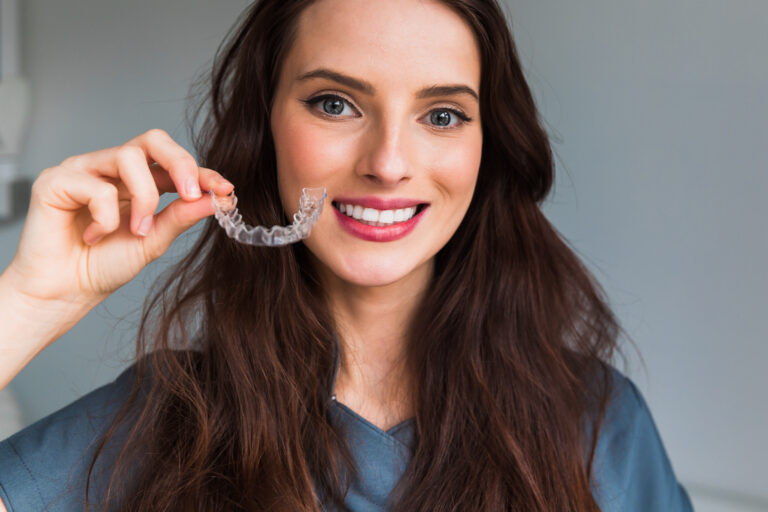
As demand for discreet orthodontic solutions increases, Invisalign and clear aligners have become popular alternatives to traditional braces. These treatments offer patients a less noticeable way to straighten teeth with numerous Invisalign benefits. Clear aligners are custom-made, removable, and comfortable, making them appealing for adults and teens alike.
Key advantages include: – Virtually invisible appearance during wear – Removability for eating and oral hygiene – Fewer office visits compared to braces – Reduced discomfort without metal brackets or wires – Effective correction of mild to moderate alignment issues
These factors contribute to the growing preference for Invisalign and clear aligners, combining aesthetic appeal with functional orthodontic correction. This innovative approach addresses patient concerns about appearance and lifestyle impact while delivering reliable, gradual tooth movement.
Dental Bonding for Minor Imperfections
While Invisalign and clear aligners effectively address alignment concerns, dental bonding offers a complementary solution for minor cosmetic imperfections. Utilizing advanced bonding materials, this treatment involves applying a tooth-colored resin directly onto the teeth to correct issues such as small chips, cracks, gaps, or discoloration. The procedure is minimally invasive, typically completed in one visit, and preserves natural tooth structure. Dental bonding’s versatility makes it ideal for various cosmetic applications, delivering immediate aesthetic improvements at a relatively low cost compared to other restorative options. Patients choose bonding for its ability to enhance smile appearance quickly and painlessly, making it an attractive choice for those seeking subtle yet effective enhancements. Its durability and ease of maintenance further contribute to its popularity in cosmetic dentistry.
Smile Makeovers With Porcelain Crowns
Although dental bonding effectively addresses minor imperfections, smile makeovers with porcelain crowns provide a thorough solution for restoring both function and aesthetics in cases of significant tooth damage or discoloration. The smile makeover process involving porcelain crowns enhances durability and natural appearance, making them a preferred choice for many patients. The porcelain crown benefits include resistance to staining, strength comparable to natural teeth, and customization to match surrounding dentition. This treatment not only improves the smile’s visual appeal but also restores chewing efficiency and protects weakened teeth. Key aspects of the smile makeover process with porcelain crowns include:
- Detailed evaluation and treatment planning
- Tooth preparation and impression-taking
- Custom fabrication of crowns for precise fit
- Temporary crowns during the interim
- Final placement ensuring ideal function and aesthetics
This approach delivers long-lasting, aesthetically pleasing results.
Lip and Gum Contouring
Enhancing a smile extends beyond the teeth to the surrounding soft tissues, where lip and gum contouring plays a significant role in achieving facial harmony. Lip enhancement techniques focus on adjusting the shape and volume of the lips to complement the smile, often using minimally invasive procedures. Meanwhile, gum reshaping methods aim to correct uneven or excessive gum tissue, creating a balanced gum line that highlights the teeth’s natural beauty. Both procedures improve overall aesthetics by refining the interchange between teeth, gums, and lips. Patients frequently choose these treatments for their ability to enhance smile symmetry and boost confidence without extensive dental work. By integrating lip and gum contouring, cosmetic dentistry offers a thorough approach to personalized smile enhancement, addressing unique facial structures with precision and artistry.
Dental Implants for Missing Teeth
Dental implants offer a reliable solution for replacing missing teeth through a surgical procedure that anchors a titanium post into the jawbone, providing a stable foundation for a prosthetic tooth. This method preserves bone density and maintains facial structure, advantages not typically achieved with traditional dentures or bridges. As a long-lasting and natural-looking option, dental implants greatly enhance both function and aesthetics compared to alternative treatments.
Implant Procedure Overview
The implant procedure for replacing missing teeth involves a carefully planned surgical process designed to restore both function and aesthetics. Initially, the dentist evaluates the patient’s oral health and bone density to determine suitable implant types. Next, a titanium post is surgically inserted into the jawbone, serving as an artificial root. After osseointegration, where the implant fuses with the bone, an abutment is attached, followed by the placement of a custom crown. Proper implant maintenance is essential for long-term success, including regular dental check-ups and hygiene routines.
- Thorough pre-surgical assessment
- Selection of appropriate implant types
- Surgical insertion of the implant post
- Healing period for osseointegration
- Final attachment of abutment and crown
Benefits Over Alternatives
Although several options exist for replacing missing teeth, implants offer distinct advantages in durability, functionality, and aesthetics. Compared to dentures and bridges, dental implants provide a more permanent solution that preserves jawbone integrity, reducing bone loss. Cost comparisons often show higher initial expenses for implants; however, their longevity and reduced need for replacements result in greater long-term value. Functionally, implants mimic natural teeth, enhancing chewing efficiency and speech clarity. Patient satisfaction rates consistently favor implants due to their stability, comfort, and natural appearance. Unlike removable alternatives, implants do not require adhesives or cause irritation, contributing to improved oral health and confidence. These benefits make dental implants a preferred choice for patients seeking a reliable and aesthetically pleasing tooth replacement option.
Benefits of Regular Cosmetic Dental Consultations
When individuals prioritize regular cosmetic dental consultations, they gain access to personalized assessments that identify potential aesthetic concerns early. These appointments provide critical cosmetic consultation benefits by enabling tailored treatment plans aligned with patient expectations. Early detection of issues prevents extensive procedures, ensuring more effective and less invasive solutions. Consistent visits foster improved communication between dentist and patient, elevating patient satisfaction through clear understanding of options and outcomes. Additionally, ongoing consultations allow for monitoring treatment progress and timely adjustments.
Key benefits include: – Early identification of cosmetic dental issues – Customized treatment planning – Enhanced patient-dentist communication – Prevention of complex procedures – Increased patient satisfaction through informed choices
Regular consultations are essential for maintaining ideal aesthetic results and maximizing the value of cosmetic dental care.
Frequently Asked Questions
How Long Do Cosmetic Dental Treatments Typically Last?
Cosmetic dental treatments typically last between 5 to 15 years, depending on longevity factors such as material quality and patient habits. Proper treatment maintenance, including regular dental visits and oral hygiene, greatly extends their durability and effectiveness.
Are Cosmetic Dental Procedures Covered by Insurance?
Cosmetic dental procedures are generally not covered by insurance coverage, as they are elective. However, some dental benefits may include partial coverage for treatments with functional improvements. Patients should verify their specific dental benefits beforehand.
What Is the Recovery Time After Cosmetic Dental Treatments?
Recovery time after cosmetic dental treatments varies greatly based on treatment variations and individual recovery factors. Minimally invasive procedures often require little downtime, while more extensive treatments may necessitate days to weeks for full healing and best results.
Can Cosmetic Dentistry Help With Sensitivity Issues?
Cosmetic dentistry offers effective sensitivity solutions by sealing exposed dentin and reducing enamel wear. These treatments enhance dental comfort, providing patients relief from discomfort while improving the appearance and function of their teeth.
How Do I Choose the Right Cosmetic Dentist for Me?
Choosing the right cosmetic dentist involves reviewing a qualifications checklist and analyzing patient reviews. This guarantees the dentist’s expertise aligns with patient needs, promoting trust, safety, and satisfactory cosmetic dental outcomes.