How Invisalign Fits Into a Smile Makeover Plan
Invisalign serves as a critical component within a thorough smile makeover plan by addressing tooth alignment and occlusion with precise, custom-fitted clear aligners. Its role extends beyond mere straightening, providing a foundational correction that enhances the effectiveness of subsequent cosmetic procedures. Understanding how Invisalign integrates with treatments like whitening, veneers, and bonding is essential for optimizing aesthetic outcomes and ensuring long-term stability. The timing and sequencing of these interventions warrant careful consideration.
Understanding the Role of Invisalign in Orthodontic Treatment
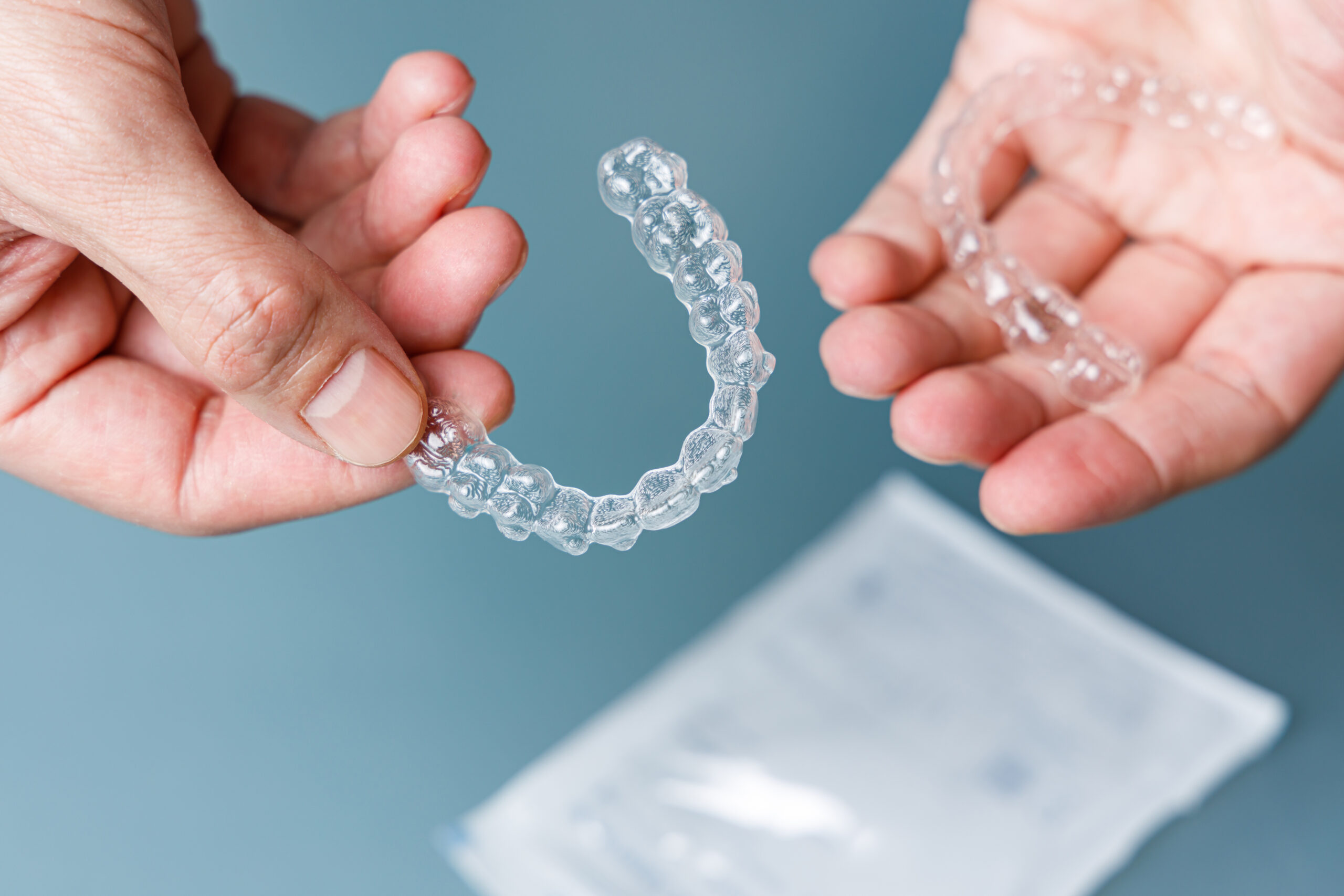
Invisalign has become a widely adopted method in orthodontic treatment due to its ability to provide effective teeth alignment through a series of custom-made, clear plastic aligners. These aligners exert controlled forces on teeth, facilitating gradual movement without the need for traditional brackets or wires. Invisalign benefits include enhanced aesthetics during treatment, as the transparent trays are minimally noticeable. Additionally, the system offers significant treatment flexibility, allowing patients to remove aligners temporarily for oral hygiene or special occasions, thereby improving compliance and comfort. Digital treatment planning enables precise mapping of tooth movements, optimizing outcomes. This method suits a range of malocclusions, though complex cases may require adjunctive procedures. Overall, Invisalign provides a discreet, adaptable, and efficient solution within contemporary orthodontics.
Preparing Your Teeth for Cosmetic Enhancements
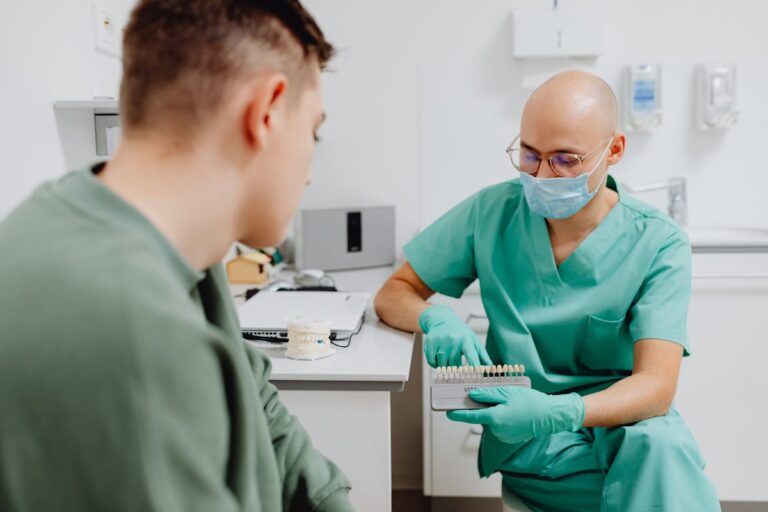
Before undertaking any cosmetic dental procedures, a thorough assessment and meticulous preparation of the teeth are essential to guarantee the best results and longevity of the enhancements. The initial phase involves an extensive pre-treatment assessment, which includes evaluating dental health, occlusion, and structural integrity. Concurrently, a detailed smile analysis is performed to assess esthetic parameters such as tooth alignment, proportion, and gingival display. This diagnostic stage informs the customization of the treatment plan, ensuring that any orthodontic adjustments via Invisalign are ideally timed and sequenced with restorative or cosmetic interventions. Addressing underlying dental issues—such as caries, periodontal disease, or enamel defects—prior to cosmetic procedures is critical to prevent complications and maximize the durability and efficacy of the final smile makeover outcomes.
Invisalign and Teeth Whitening: Timing and Benefits
Integrating orthodontic treatment with cosmetic whitening requires careful coordination to optimize both alignment and shade outcomes. Invisalign benefits include gradual tooth movement using clear aligners, which can facilitate simultaneous or sequential teeth whitening protocols. Typically, teeth whitening is most effective after Invisalign treatment, as whitening agents applied during active tooth movement may yield uneven results due to shifting contact points. However, some clinicians incorporate whitening trays compatible with Invisalign aligners toward the end of treatment. This approach leverages the aligners as delivery systems for whitening agents, enhancing patient convenience. Proper timing guarantees that whitening addresses the final tooth positions, maximizing esthetic improvement. Coordinating Invisalign benefits with teeth whitening protocols produces a harmonious enhancement of both alignment and color, essential for thorough smile makeover plans.
Combining Invisalign With Veneers for a Perfect Smile
Although orthodontic treatment alone can greatly improve dental alignment, the addition of veneers offers a thorough solution for addressing both functional and esthetic concerns. Invisalign benefits include precise tooth movement with minimal discomfort, creating an ideal foundation for veneers placement. This sequential approach guarantees perfect tooth positioning, enhancing veneers compatibility by reducing the need for aggressive tooth reduction. Veneers can then correct residual esthetic issues such as discoloration, shape irregularities, and minor asymmetries, complementing the alignment achieved through Invisalign. Careful treatment planning between orthodontists and prosthodontists is essential to maximize outcomes. This integration enhances both the structural integrity and visual harmony of the smile, producing results unattainable by either treatment alone. Consequently, combining Invisalign with veneers represents a synergistic strategy for extensive smile makeovers.
The Importance of Correcting Bite Issues Before Cosmetic Procedures
Guaranteeing proper bite alignment is a critical prerequisite to performing any cosmetic dental procedures, as untreated occlusal discrepancies can compromise both the function and longevity of restorative work. Correcting bite issues establishes a stable foundation, optimizing cosmetic balance and preventing premature wear or failure of veneers, crowns, or bonding. Precision in bite alignment reduces abnormal stress distribution and enhances overall oral health.
Key considerations include: – Prevention of uneven force on restorations – Reduction of temporomandibular joint (TMJ) strain – Minimization of tooth mobility and sensitivity – Improved esthetic harmony through functional occlusion – Enhanced durability of cosmetic enhancements
Addressing bite alignment prior to cosmetic interventions guarantees predictable, lasting outcomes and maintains the integrity of the smile makeover plan.
Invisalign as a Foundation for Dental Bonding
Invisalign treatment facilitates precise alignment of teeth, creating an ideal foundation for subsequent dental bonding procedures. Properly aligned teeth provide uniform surfaces that enhance the adhesion and durability of bonding materials. This preparatory step is critical to achieving predictable and long-lasting aesthetic outcomes.
Aligning Teeth Precisely
When teeth are accurately aligned using clear aligners, the foundation for subsequent dental bonding is greatly enhanced. Invisalign benefits include the ability to achieve precise alignment, which is critical for ideal bonding outcomes. Properly positioned teeth facilitate uniform application of bonding materials and reduce the risk of gaps or uneven surfaces. This precision guarantees improved aesthetic and functional results in smile makeovers.
Key aspects of aligning teeth precisely with Invisalign:
- Controlled, incremental tooth movement via custom aligner trays
- Digital treatment planning for targeted alignment
- Correction of rotations and minor spacing issues
- Enhanced fit and retention of bonding materials
- Minimization of occlusal interferences affecting bonding durability
These factors collectively enhance the foundation for effective dental bonding procedures.
Preparing Surfaces for Bonding
Although precise tooth alignment establishes an ideal foundation, the preparation of enamel surfaces is essential for effective dental bonding. Surface preparation involves cleaning, etching, and conditioning the enamel to enhance adhesive penetration and retention. Proper bonding techniques require the removal of pellicle and contaminants, typically achieved through prophylaxis with pumice and water. Acid etching with phosphoric acid creates micro-porosities that improve mechanical interlocking between the enamel and bonding agent. Following etching, thorough rinsing and controlled drying guarantee an ideal moist environment for resin infiltration. The application of primers or bonding agents further promotes chemical adhesion. This meticulous surface preparation, enabled by Invisalign’s precise alignment, guarantees durable and esthetically seamless restorations, thereby integrating dental bonding effectively within a thorough smile makeover plan.
Customizing Your Smile Makeover Plan With Your Dentist
Since each patient’s dental anatomy and aesthetic goals vary considerably, tailoring a smile makeover plan requires a detailed clinical assessment combined with a thorough consultation. This process guarantees a personalized treatment strategy that aligns functional requirements with aesthetic objectives.
Key components in customizing the plan include:
- Extensive oral examination and diagnostic imaging
- Identification of specific aesthetic goals and patient preferences
- Evaluation of occlusion and bite dynamics
- Integration of Invisalign aligner therapy with adjunctive cosmetic procedures
- Development of a phased treatment timeline optimizing outcomes and minimizing discomfort
Collaboration between dentist and patient facilitates informed decisions, maximizing predictability and satisfaction. The plan’s customization addresses unique anatomical considerations and desired smile characteristics, guaranteeing that Invisalign is effectively incorporated into the broader cosmetic strategy.
Maintaining Results After Invisalign and Cosmetic Treatments
Post-treatment retention protocols, including consistent retainer use, are critical to preserving the alignment achieved through Invisalign therapy. Maintaining rigorous oral hygiene prevents complications that could compromise cosmetic enhancements. Scheduled dental evaluations enable early detection and management of potential issues, ensuring long-term treatment stability.
Retainer Use Importance
When orthodontic and cosmetic interventions such as Invisalign aligners and smile makeover procedures conclude, the implementation of a retainer protocol becomes essential to preserve achieved dental alignment and aesthetic outcomes. Retainer use mitigates relapse by stabilizing teeth in their new positions. Various retainer types—including fixed lingual, removable Hawley, and clear plastic retainers—offer tailored retention strategies. Proper retainer maintenance, involving regular cleaning and periodic professional evaluations, guarantees longevity and effectiveness. Failure to adhere to retainer protocols can compromise treatment results, leading to undesired tooth movement.
Key considerations for retainer use include: – Selection based on patient-specific occlusion and lifestyle – Consistent wear schedule adherence – Routine retainer hygiene practices – Scheduled dental follow-ups for adjustments – Monitoring for retainer wear or damage to prevent relapse
Oral Hygiene Practices
Although Invisalign and smile makeover procedures effectively enhance dental alignment and aesthetics, maintaining these results requires rigorous oral hygiene practices. Ideal oral hygiene involves a structured daily routine, including thorough brushing with a fluoride toothpaste at least twice daily and interdental cleaning to remove plaque and prevent gingival inflammation. Patients must also guarantee proper cleaning of Invisalign aligners to avoid bacterial accumulation and discoloration. Consistent removal of biofilm is critical to preserving both cosmetic treatment outcomes and periodontal health. Additionally, avoiding habits detrimental to enamel integrity, such as frequent consumption of acidic or sugary substances, supports long-term stability. Adherence to these oral hygiene protocols is essential to sustain the functional and aesthetic benefits achieved through Invisalign and adjunctive cosmetic interventions.
Regular Dental Checkups
Consistent attendance at scheduled dental checkups is critical for maintaining the alignment and aesthetic improvements achieved through Invisalign and smile makeover procedures. These appointments enable dental professionals to monitor dental hygiene status, detect early signs of relapse, and provide targeted preventive care. Regular evaluations facilitate the timely adjustment of retainers or other orthodontic devices to preserve tooth positioning. Additionally, professional cleanings remove plaque and tartar that daily home care might miss, preventing periodontal complications that could compromise cosmetic results.
Key components of regular dental checkups include: – Assessment of tooth alignment stability – Evaluation of gum health and inflammation – Professional prophylaxis to maintain oral hygiene – Adjustment or replacement of retainers as needed – Identification and management of potential dental issues early
Such preventive care is essential to sustain long-term outcomes after Invisalign and cosmetic treatments.
Frequently Asked Questions
How Long Does a Typical Invisalign Treatment Take?
The typical Invisalign treatment duration ranges from 12 to 18 months, contingent upon the complexity of the case. Ideal patient compliance with aligner wear, generally 20-22 hours daily, critically influences treatment efficiency and outcomes.
Are Invisalign Aligners Comfortable to Wear Daily?
Invisalign aligners generally provide high aligner comfort due to smooth, custom-fit design, facilitating consistent daily wear. Initial mild discomfort may occur, but most patients adapt quickly, making them suitable for extended use throughout the treatment duration.
Can Invisalign Fix Gaps Between Teeth Completely?
Invisalign can achieve complete gap closure in many cases, with treatment effectiveness dependent on gap size, patient compliance, and tooth movement complexity. Precise digital planning enhances predictability, ensuring optimized results when appropriately indicated.
How Often Should Invisalign Aligners Be Cleaned?
Invisalign aligners should be cleaned daily to maintain hygiene and effectiveness. Recommended cleaning methods include gentle brushing with a soft toothbrush, using clear, antibacterial soap, or specialized cleaning crystals designed for aligner care.
Are There Any Dietary Restrictions With Invisalign?
Invisalign diet requires removing aligners during meals, permitting unrestricted food choices. However, patients must avoid consuming food or beverages (except water) while wearing aligners to prevent staining, damage, and maintain oral hygiene throughout treatment.