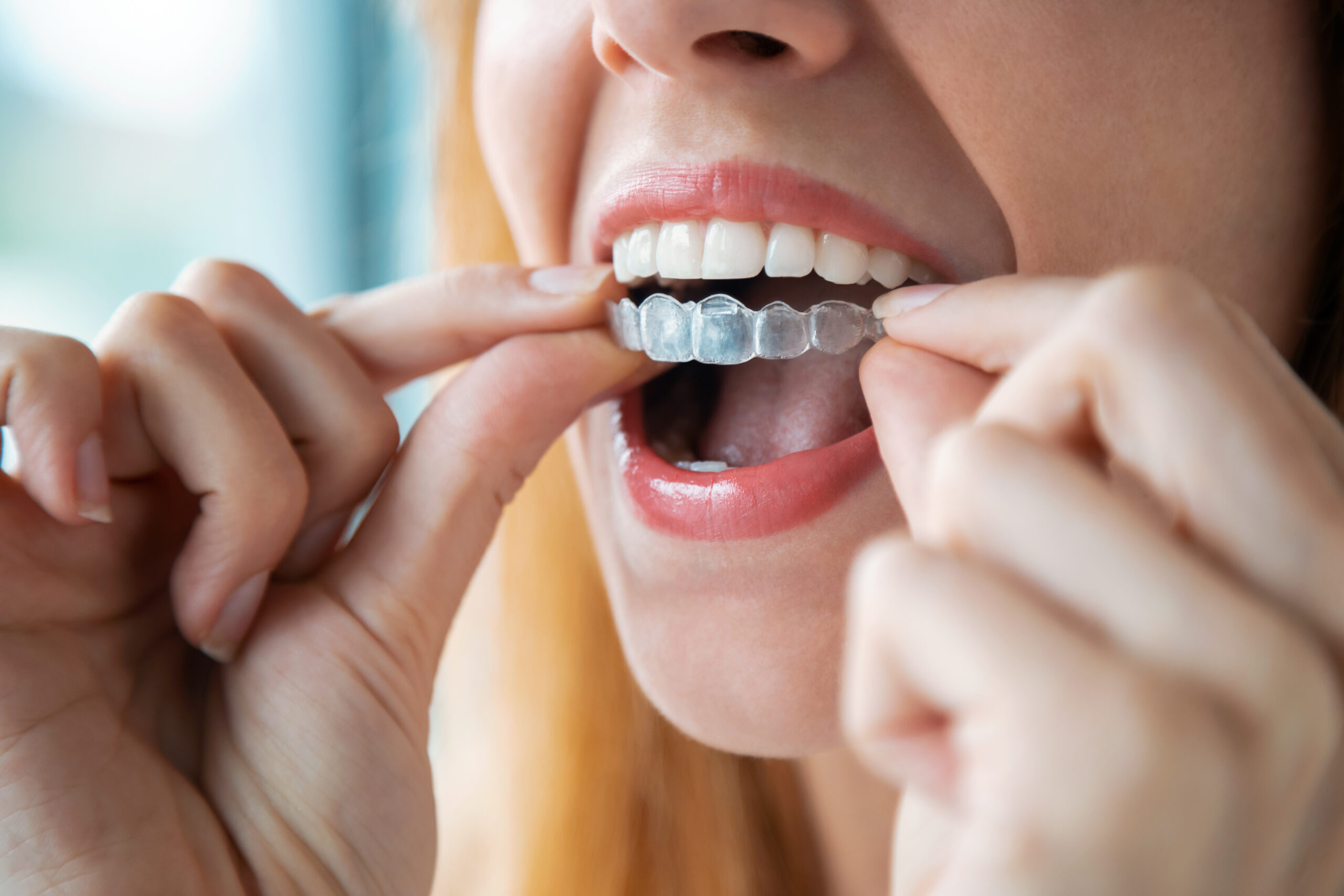
Is Invisalign Worth It for Minor Teeth Shifting?
For individuals considering correction of minor teeth shifting, Invisalign presents a modern alternative to traditional braces. Its clear, removable aligners offer targeted pressure to adjust teeth gradually, typically over several months. However, the decision to invest in Invisalign involves weighing factors such as treatment effectiveness, cost, and convenience against other options. Understanding these elements is vital to determine whether Invisalign aligns with specific dental needs and expectations.
Understanding Minor Teeth Shifting
How does minor teeth shifting occur, and what implications does it have for dental health? Minor teeth shifting results from subtle changes in the oral environment, often influenced by causes of shifting such as natural aging, tooth loss, or habits like grinding. These shifts can lead to signs of misalignment including crowding, spacing, or changes in bite patterns. Even slight movement may compromise occlusal function and increase susceptibility to periodontal issues due to difficulty in maintaining oral hygiene. Early detection of these signs is essential to prevent progression. Clinical evaluations and imaging techniques aid in identifying minor misalignments, enabling timely intervention. Understanding these dynamics provides a foundation for evaluating the necessity and potential benefits of corrective treatments, thereby supporting informed dental care decisions.
How Invisalign Works for Small Adjustments
When addressing minor dental misalignments, Invisalign offers a precise and minimally invasive approach through its series of custom-fitted, clear aligners. These aligners are designed using 3D imaging technology to map out the exact movement required for minor adjustments, ensuring targeted pressure is applied to specific teeth. Invisalign effectiveness for small adjustments relies on gradual, controlled tooth movement, typically involving less than six months of wear. Each aligner set is worn for approximately one to two weeks before progressing to the next, allowing incremental repositioning without the need for brackets or wires. Clinical studies support Invisalign’s ability to achieve measurable improvements in minor tooth shifting, particularly for mild crowding or spacing issues, making it a reliable treatment modality in selected cases.
Benefits of Invisalign for Minor Teeth Movement
Invisalign offers significant benefits for minor teeth movement, particularly through its discreet, nearly invisible aligners that maintain aesthetic appearance during treatment. The aligners are custom-designed for comfort, reducing irritation commonly associated with traditional braces. Additionally, the removable nature of Invisalign enhances convenience, allowing for easier oral hygiene and dietary flexibility.
Discreet Appearance Advantage
Frequently overlooked in orthodontic treatments, the discreet appearance offered by clear aligners presents a significant advantage for individuals seeking minor teeth adjustments. Discreet aligners are made from transparent, medical-grade plastic, enabling them to blend seamlessly with natural dentition. This aesthetic appeal is particularly beneficial for adults and professionals who prefer subtlety in orthodontic care. Research indicates that patients report higher satisfaction levels when their appliances are less noticeable, which can positively influence treatment adherence. Unlike traditional metal braces, these aligners avoid the social stigma or self-consciousness often associated with visible orthodontic hardware. Consequently, clear aligners serve as an effective solution for minor teeth shifting without compromising the wearer’s professional or social image, supporting both functional outcomes and psychological comfort throughout the treatment process.
Comfort and Convenience Benefits
Although minor teeth movement often requires less intensive intervention, the comfort and convenience offered by clear aligners greatly enhance patient experience compared to traditional braces. Invisalign’s personalized treatment plans are designed to fit the unique dental structure of each patient, minimizing discomfort. User experiences consistently report reduced irritation and fewer emergency visits relative to fixed appliances. Key comfort and convenience benefits include:
- Smooth, BPA-free plastic aligners that reduce soft tissue irritation
- Removability allowing for normal eating and oral hygiene routines
- Fewer in-office adjustments due to precise digital treatment planning
- Lightweight design that minimizes speech interference and discomfort
These factors collectively support Invisalign as a practical and patient-friendly option for minor teeth shifting, improving adherence and overall satisfaction.
Potential Drawbacks of Using Invisalign
While clear aligners offer aesthetic and practical advantages, several limitations and challenges may affect their overall effectiveness and user experience. Potential complications include inadequate tooth movement in complex cases and the risk of relapse if aligners are not worn consistently. Furthermore, the success of Invisalign relies heavily on patient compliance, as the aligners must be worn for 20-22 hours daily. Maintenance requirements can be demanding; aligners necessitate regular cleaning to prevent bacterial buildup and discoloration, and frequent removal during eating or drinking (except water) may inconvenience users. Additionally, aligners can cause mild discomfort or irritation to the gums and cheeks during the initial adjustment period. These factors collectively underscore the importance of evaluating Invisalign’s suitability based on individual orthodontic needs and lifestyle before proceeding.
Comparing Invisalign With Other Treatment Options
When evaluating orthodontic treatments, Invisalign is often compared to traditional braces regarding effectiveness, comfort, and aesthetic appeal. Cost considerations also play a significant role, as clear aligners like Invisalign typically incur higher expenses than metal braces. A thorough comparison of these factors is essential to determine the most suitable option for individual patient needs.
Invisalign vs. Braces
How do Invisalign and traditional braces compare regarding effectiveness, comfort, and treatment duration? Invisalign effectiveness in minor teeth shifting is well-documented, offering comparable outcomes to braces when cases are carefully selected. A braces comparison reveals notable differences beyond effectiveness:
- Comfort: Invisalign aligners are smooth and removable, reducing soft tissue irritation common with metal brackets.
- Aesthetics: Invisalign’s clear trays provide a discreet alternative, appealing to image-conscious patients.
- Treatment Duration: Both methods typically require similar timeframes, though complex cases may favor braces.
- Oral Hygiene: Invisalign allows easier brushing and flossing, minimizing plaque buildup compared to fixed braces.
Evidence supports Invisalign as an effective and comfortable option for minor corrections, with braces remaining preferable for severe or complex dental misalignments.
Clear Aligners Cost
Following a comparison of Invisalign and traditional braces regarding effectiveness, comfort, and treatment duration, the financial aspect becomes a significant consideration for patients evaluating clear aligner therapy. Clear aligners pricing varies widely depending on the complexity of the case, geographic location, and provider expertise. Invisalign typically ranges from $3,000 to $7,000, positioning it at a premium compared to other clear aligner brands, which may offer treatment at lower costs but with potential trade-offs in customization and monitoring. Traditional braces generally cost between $2,500 and $6,000. Treatment affordability is influenced by insurance coverage, payment plans, and promotional offers. Ultimately, patients must weigh clear aligners pricing against the benefits of aesthetics, convenience, and reduced office visits to determine the best treatment option for minor teeth shifting.
Cost Considerations for Minor Teeth Shifting
Several factors influence the cost of Invisalign treatment for minor teeth shifting, including the complexity of the case, duration of wear, and geographic location. Patients should consider these elements alongside available financing options and potential insurance coverage, which can greatly impact out-of-pocket expenses. Typically, minor adjustments require fewer aligners, reducing overall costs compared to extensive treatments. Key cost considerations include:
- Complexity and severity of tooth misalignment
- Length of treatment and number of aligners needed
- Availability of dental insurance plans covering orthodontic procedures
- Accessibility to financing options such as payment plans or credit
Clinicians often provide personalized cost estimates based on individual assessments. Understanding these variables helps patients make informed decisions about the value and affordability of Invisalign for minor corrections.
Treatment Duration and Convenience
Beyond financial considerations, the length and ease of Invisalign treatment considerably influence patient satisfaction and overall effectiveness. Typically, minor teeth shifting with Invisalign can be completed within 6 to 12 months, depending on individual case complexity. Treatment flexibility is a significant benefit, as patients can remove aligners for eating, oral hygiene, and special occasions, enhancing convenience compared to fixed braces. However, this flexibility requires disciplined aligner maintenance; consistent wear of 20 to 22 hours daily is essential for timely results. Proper cleaning protocols prevent discoloration and bacterial buildup, supporting oral health throughout treatment. To conclude, Invisalign offers a streamlined and adaptable approach for minor adjustments, but success depends on patient adherence to treatment schedules and meticulous aligner care, ensuring ideal duration and outcome.
Factors to Consider Before Choosing Invisalign
What key factors should be evaluated prior to selecting Invisalign as an orthodontic treatment? Careful consideration of treatment goals and patient expectations is crucial. Invisalign may be suitable for minor teeth shifting but requires alignment with clinical indications and desired outcomes. Patients must assess their commitment to compliance, as removable aligners demand consistent wear for efficacy. Additionally, cost implications and insurance coverage influence accessibility. The following factors are critical:
- Alignment of treatment goals with Invisalign’s capabilities
- Realistic patient expectations regarding aesthetics and comfort
- Commitment to daily wear and maintenance of aligners
- Financial considerations including total cost and insurance benefits
Evaluating these factors guarantees informed decision-making, optimizing treatment success and patient satisfaction with Invisalign.
Frequently Asked Questions
Can Invisalign Correct Bite Issues Along With Minor Teeth Shifting?
Invisalign can effectively address bite correction alongside minor teeth shifting, though treatment duration varies based on case complexity. Evidence supports its efficacy for mild to moderate malocclusions, requiring thorough evaluation to optimize outcomes and timing.
Are There Age Restrictions for Using Invisalign for Minor Adjustments?
Invisalign eligibility generally has no strict age restrictions; however, age considerations focus on dental maturity. Candidates typically require fully developed teeth and gums, making it suitable for teens and adults seeking minor adjustments with proper orthodontic evaluation.
How Often Must Invisalign Aligners Be Cleaned During Treatment?
Aligner maintenance requires cleaning at least twice daily, typically after meals and before reinsertion, to prevent bacterial buildup and staining. Consistent cleaning frequency guarantees ideal oral hygiene and prolongs aligner clarity and effectiveness throughout treatment.
Can I Eat and Drink Normally While Wearing Invisalign Trays?
Eating habits must adjust, as Invisalign trays require removal during meals to prevent damage or staining. Drinking options are limited to water while wearing trays to maintain hygiene and avoid compromising aligner integrity or oral health.
What Happens if I Lose or Damage an Invisalign Tray?
If an Invisalign tray is lost or damaged, the patient must promptly notify their orthodontist to arrange for an Invisalign replacement. Delays or continued use of a compromised tray can hinder treatment progress and alignment accuracy.