Common Invisalign Mistakes That Delay Results
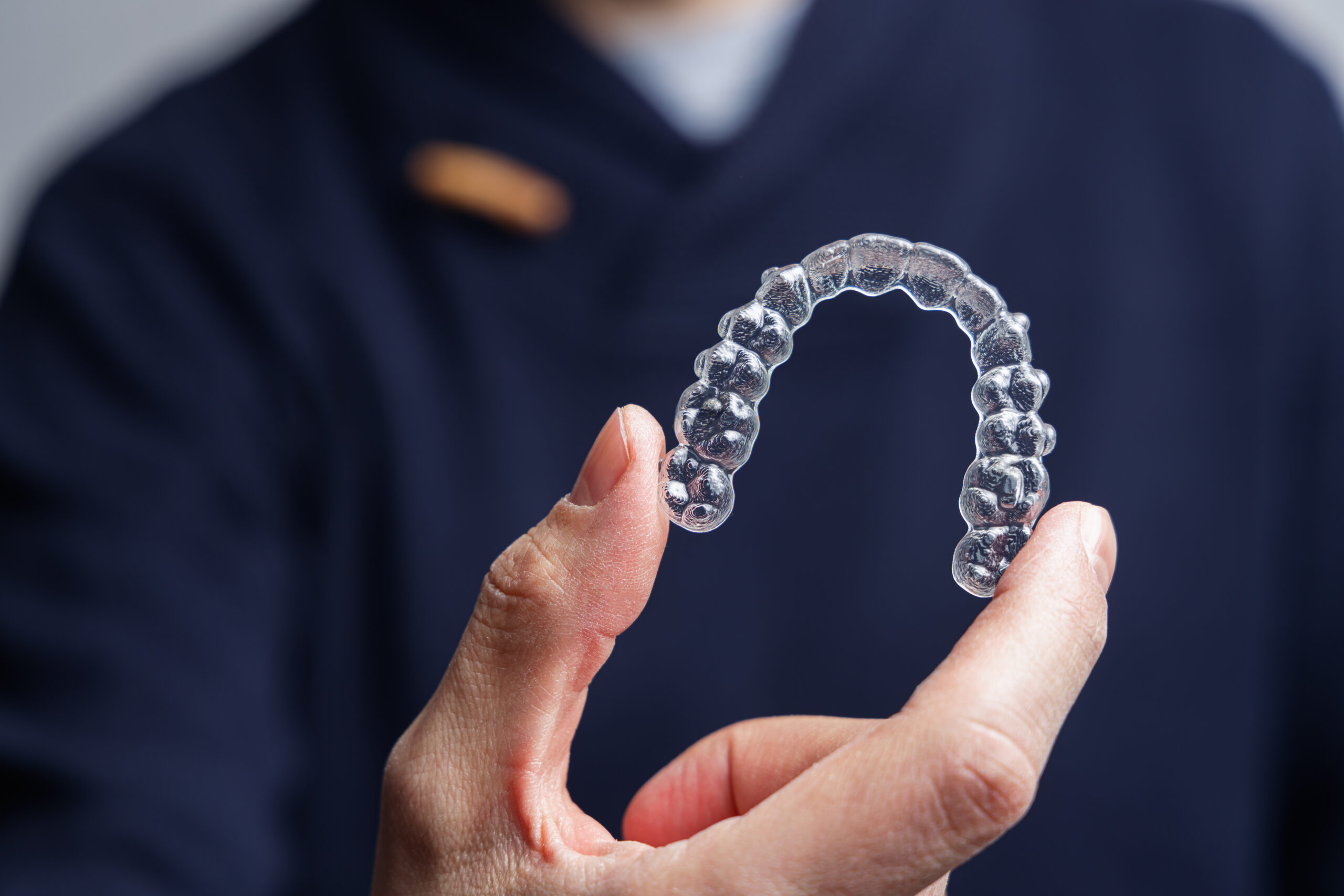
Invisalign treatment success relies heavily on patient adherence to specific protocols. Failure to wear aligners for the recommended 20 to 22 hours daily is a primary factor that prolongs treatment. Additional errors, such as skipping aligners during events or improper cleaning, introduce complications that affect tooth movement efficiency. Understanding these common mistakes is essential for optimizing outcomes and avoiding unnecessary delays in achieving desired orthodontic results.
Not Wearing Aligners for the Recommended Hours
Although Invisalign aligners are designed for ideal effectiveness when worn consistently, failing to adhere to the recommended daily wear time of 20 to 22 hours greatly compromises treatment outcomes. Insufficient aligner wear leads to reduced biomechanical forces applied to teeth, thereby impairing tooth movement efficiency. This deviation from prescribed wear time extends the overall treatment duration, as teeth do not shift as intended within the designated time frame. Furthermore, inconsistent wear may cause fit discrepancies between sequential aligners, necessitating additional adjustment periods or refitting. Clinicians emphasize strict compliance with aligner wear to maintain predictable progress and avoid prolonging treatment. Consequently, patients must prioritize continuous aligner wear to optimize therapeutic effectiveness and minimize unintended delays in achieving desired orthodontic results.
Skipping Aligners During Important Events
Consistent aligner wear is fundamental for maintaining treatment progress, yet some patients choose to skip wearing aligners during significant social or professional events. This practice disrupts the controlled force application necessary for tooth movement, potentially extending overall treatment duration. Effective event planning and aligner management strategies are essential to minimize interruptions. Patients should prepare by scheduling brief aligner removals and ensuring timely reinsertion immediately after the event. Additionally, discreet aligner removal and storage solutions can facilitate compliance without compromising aesthetics or hygiene. Failure to adhere to prescribed wear during critical periods undermines the biomechanical principles of Invisalign therapy, resulting in suboptimal outcomes and delayed results. As a result, integrating event planning with meticulous aligner management is vital to uphold treatment efficacy and achieve the projected orthodontic timeline.
Neglecting Proper Cleaning of Aligners
Frequently overlooked, the proper cleaning of Invisalign aligners is critical to maintaining oral hygiene and ensuring ideal treatment outcomes. Inadequate aligner maintenance can lead to bacterial accumulation, discoloration, and unpleasant odors, potentially compromising oral health and patient compliance. Effective cleaning solutions specifically designed for clear aligners should be employed daily to prevent biofilm formation and material degradation. Mechanical cleaning, including gentle brushing with a soft toothbrush, complements chemical cleaning to remove debris without damaging the aligners. Failure to adhere to recommended cleaning protocols may result in prolonged treatment duration due to compromised fit and increased risk of oral infections. Consistent and thorough aligner maintenance supports the transparency and functionality of Invisalign trays, thereby optimizing orthodontic efficacy and patient satisfaction throughout the treatment process.
Eating or Drinking With Aligners in
Proper maintenance of Invisalign aligners extends beyond cleaning protocols to include adherence to usage guidelines, particularly regarding the consumption of food and beverages. Eating or drinking with aligners in place can compromise aligner care by promoting bacterial growth and increasing the risk of staining or warping. Aligners are designed to be removed during meals, as exposure to hot liquids or sugary substances can degrade the plastic material, affecting fit and treatment efficacy. Additionally, improper food choices while wearing aligners, such as consuming colored or acidic drinks, may cause discoloration and oral health issues. Consequently, patients must consistently remove aligners before eating or drinking anything other than water to maintain the integrity of the aligners and optimize treatment outcomes.
Losing or Damaging Aligners
Misplacing or damaging Invisalign aligners can greatly disrupt the orthodontic treatment process. Proper aligner storage is critical to prevent loss or damage, as improper handling increases the risk of breakage or contamination. Patients should always use the designated storage case when not wearing aligners to minimize exposure to environmental hazards. In instances where aligners are lost or damaged, immediate consultation with the orthodontist is necessary to avoid treatment delays. Replacement aligners may be required, potentially extending the overall treatment duration. It is essential to verify whether insurance coverage includes costs associated with replacement aligners, as this varies by policy. Maintaining diligent aligner care and storage protocols is crucial to preserving the treatment schedule and ensuring peak orthodontic outcomes.
Ignoring Minor Discomfort and Not Consulting Your Orthodontist
Overlooking minor discomfort during Invisalign treatment can lead to complications that impede progress. Patients often assume that slight pain is a normal part of the process and fail to report it, which can mask underlying issues such as ill-fitting aligners or improper tooth movement. Effective pain management requires timely orthodontic communication to identify and address these concerns promptly. Failure to consult the orthodontist may result in prolonged discomfort and suboptimal treatment outcomes. Regular feedback enables adjustments to aligner fit or modification of treatment protocols, minimizing adverse effects and ensuring steady alignment progression. Therefore, recognizing and communicating even minor discomfort is critical to maintaining treatment efficacy and avoiding delays caused by unresolved mechanical or biological factors.
Not Following up With Scheduled Check-Ups
Addressing minor discomfort promptly often involves professional evaluation during scheduled orthodontic appointments. Failure to follow up with these check-ups can considerably impede Invisalign treatment progress. Missed appointments hinder the orthodontist’s ability to monitor tooth movement, adjust aligner fit, and identify potential issues early. This lapse may result in treatment delays and suboptimal outcomes. Maintaining proactive communication with the orthodontic provider is essential to reschedule any missed visits promptly and to discuss concerns between appointments. Regular evaluations enable timely modifications to the treatment plan, ensuring aligners remain effective and comfortable. Consequently, adherence to scheduled check-ups is critical for minimizing complications and achieving desired orthodontic results within the anticipated timeframe.
Using Non-Approved Whitening Products During Treatment
Several types of whitening products are incompatible with Invisalign treatment due to their chemical composition and potential effects on aligner materials. Non-approved whitening agents can cause discoloration, surface degradation, or warping of the aligners, compromising both aesthetics and fit. Adherence to established whitening product guidelines is critical to avoid interference with the treatment’s efficacy. Patients are advised to use only approved whitening options specifically tested and validated for compatibility with Invisalign aligners. These approved products maintain the structural integrity of the aligners while ensuring safe and effective whitening. Failure to comply with whitening product guidelines can extend treatment duration by necessitating replacement of damaged aligners or additional corrective adjustments, ultimately delaying desired orthodontic outcomes.
Frequently Asked Questions
How Often Should I Switch to the Next Set of Aligners?
The aligner schedule typically requires switching to the next set every one to two weeks, depending on the orthodontist’s guidance. Maintaining strict treatment consistency is essential to achieve ideal alignment and avoid prolonging the overall treatment duration.
Can Invisalign Fix Severe Bite Issues?
Invisalign effectiveness in severe bite correction depends on case complexity. While it can address many moderate malocclusions, severe bite issues often require adjunctive treatments or traditional orthodontics for ideal functional and aesthetic outcomes.
Is Invisalign Treatment Painful?
Invisalign treatment typically causes mild Invisalign discomfort and aligner soreness during initial adjustment periods. Such sensations are transient, resulting from tooth movement and aligner pressure, and generally subside as oral tissues adapt to the aligners.
How Long Does the Average Invisalign Treatment Take?
The average Invisalign duration typically spans 12 to 18 months, varying with case complexity. Treatment expectations include consistent aligner wear, regular adjustments, and adherence to orthodontist guidance to achieve ideal tooth movement and results.
Are There Dietary Restrictions During Invisalign Treatment?
Dietary restrictions during Invisalign treatment primarily involve removing aligners before consuming food or beverages except water. Adhering to these guidelines prevents damage, reduces treatment duration, and guarantees ideal aligner effectiveness throughout the alignment process.