Composite vs. Porcelain Veneers: Pros, Cons, and Longevity
When considering dental veneers, patients often face a choice between composite and porcelain options. Each type presents unique benefits and limitations regarding appearance, durability, and cost. Understanding the materials and their performance can guide an informed decision aligned with individual needs and expectations. However, the differences extend beyond initial impressions, influencing long-term satisfaction and maintenance requirements. Exploring these factors reveals critical insights into which veneer type may best suit a given situation.
What Are Composite Veneers Made Of?
Composite veneers consist primarily of a resin-based material composed of fine glass or quartz particles suspended within a durable plastic matrix. These composite materials are engineered to provide both strength and aesthetic appeal, making them suitable for various veneer applications. The integration of glass or quartz fillers enhances the mechanical properties, improving resistance to wear and fracture. In veneer applications, composite materials offer versatility, allowing for direct application and sculpting onto the tooth surface. This adaptability facilitates minimally invasive procedures and quicker treatment times compared to alternative options. Additionally, the composite resin’s ability to bond effectively with natural tooth enamel guarantees a secure fit and natural appearance. Overall, the composition of composite veneers balances functionality with cosmetic enhancement, making them a popular choice in restorative and cosmetic dentistry.
What Are Porcelain Veneers Made Of?
Porcelain veneers are crafted from high-quality ceramic materials designed to replicate the natural translucency and strength of tooth enamel. These ceramics possess unique porcelain properties, including exceptional durability, stain resistance, and biocompatibility, making them ideal for veneer applications. The material’s ability to mimic enamel’s optical characteristics guarantees a natural appearance, enhancing aesthetic outcomes. Advanced fabrication techniques, such as CAD/CAM milling and layering, optimize the fit and finish of each veneer. Porcelain’s rigidity allows for thin yet strong veneers, preserving more natural tooth structure during preparation. Consequently, porcelain veneers offer a long-lasting and visually appealing solution for correcting dental imperfections. Their superior porcelain properties distinguish them from composite alternatives, affirming their role in restorative and cosmetic dentistry.
Advantages of Composite Veneers
While both composite and porcelain veneers serve to enhance dental aesthetics, the former offers distinct advantages that appeal to certain patient needs and clinical situations. Composite veneers benefit from less invasive application techniques, often requiring minimal tooth preparation, which preserves natural enamel. This approach allows for quicker treatment times and easier repairs if damage occurs. Additionally, composite materials provide greater aesthetic flexibility, enabling clinicians to sculpt and modify veneers chairside for a customized fit and appearance. The ability to adjust color and shape during application enhances patient satisfaction. Moreover, composite veneers tend to be more cost-effective, making them accessible to a broader range of patients. These advantages highlight the suitability of composite veneers for individuals seeking efficient, adaptable, and conservative cosmetic dental solutions.
Advantages of Porcelain Veneers
Porcelain veneers are renowned for their exceptional natural appearance, closely mimicking the translucency and texture of natural teeth. They offer superior durability compared to composite options, maintaining their integrity over many years. Additionally, porcelain veneers exhibit strong resistance to staining, ensuring a long-lasting bright smile.
Natural Appearance Benefits
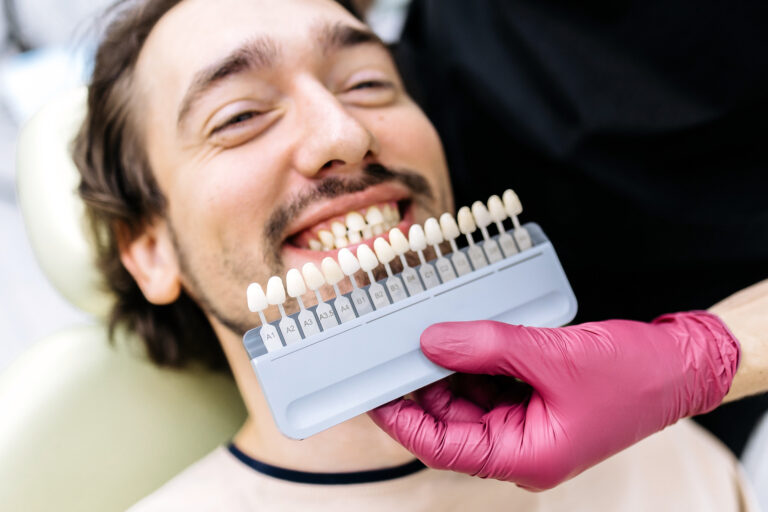
The lifelike translucency and texture of porcelain veneers closely mimic natural tooth enamel, offering a seamless integration with existing teeth. This quality greatly enhances natural aesthetics, allowing porcelain veneers to replicate the subtle variations in color and light reflection found in real teeth. As a result, they achieve superior visual harmony within the smile, avoiding the artificial appearance sometimes associated with other dental restorations. Porcelain’s ability to be custom-shaded and sculpted guarantees each veneer complements an individual’s unique dental characteristics. Consequently, patients benefit from an improved, authentic look that boosts confidence. These natural appearance benefits make porcelain veneers a preferred choice for those seeking to enhance their smile discreetly and effectively, aligning cosmetic improvement with realistic dental artistry.
Durability and Stain Resistance
Beyond their natural appearance, porcelain veneers offer significant advantages in durability and resistance to stains. Porcelain’s inherent material strength contributes to superior durability factors compared to composite alternatives, allowing these veneers to withstand daily wear and tear effectively. Additionally, the glazed surface of porcelain veneers provides excellent stain resistance, maintaining their bright and pristine look over extended periods. This resistance is essential for patients who consume staining substances such as coffee, tea, or red wine. Furthermore, porcelain’s non-porous nature prevents discoloration and surface degradation, enhancing the longevity of the veneers. These durability factors make porcelain veneers a preferred choice for those seeking long-lasting aesthetic restoration with minimal maintenance, reinforcing their value in cosmetic dentistry through reliable performance and consistent appearance.
Disadvantages of Composite Veneers
Composite veneers present certain limitations, particularly regarding durability, as they are more prone to chipping and wear compared to porcelain alternatives. Additionally, composite materials are susceptible to staining over time, necessitating careful maintenance to preserve their appearance. These factors can impact the long-term aesthetic and functional outcomes for patients choosing composite veneers.
Durability Concerns
Although offering aesthetic benefits, composite veneers present notable durability concerns that may affect their long-term performance. Primarily, their wear resistance is inferior compared to porcelain, making them more susceptible to surface abrasion and gradual degradation over time. This reduced wear resistance can compromise the veneer’s appearance and structural integrity, necessitating more frequent repairs or replacements. Additionally, composite veneers exhibit lower impact strength, rendering them more vulnerable to chipping or cracking under mechanical stress such as biting or accidental trauma. These mechanical limitations restrict composite veneers’ suitability for patients with high occlusal forces or parafunctional habits. Consequently, while composite veneers provide a cost-effective and less invasive option, their durability concerns should be carefully weighed against porcelain veneers when longevity and resilience are priorities.
Staining and Maintenance
Because composite veneers are composed of resin-based materials, they are inherently more prone to staining compared to their porcelain counterparts. This lower stain resistance means that exposure to common staining agents such as coffee, tea, red wine, and tobacco can lead to noticeable discoloration over time. Consequently, composite veneers require diligent maintenance to preserve their aesthetic appeal. Maintenance tips include avoiding excessive consumption of staining substances, regular professional cleanings, and meticulous oral hygiene practices such as brushing with non-abrasive toothpaste and flossing daily. Despite these efforts, composite veneers may still necessitate periodic polishing or replacement to address surface stains. While composite veneers offer benefits like affordability and ease of repair, their susceptibility to staining and higher maintenance demands represent significant considerations for long-term satisfaction.
Disadvantages of Porcelain Veneers
While porcelain veneers offer significant aesthetic benefits, they also present certain drawbacks that should be carefully considered. One primary concern is the porcelain veneer cost, which tends to be substantially higher than composite alternatives, potentially limiting accessibility for some patients. Additionally, porcelain veneers require a more invasive preparation process, often involving the removal of some natural tooth enamel, which is irreversible. Porcelain veneer maintenance demands careful attention; although resistant to staining, veneers can chip or crack under excessive force, necessitating professional repairs. Unlike composite veneers, porcelain options cannot be easily adjusted or repaired chairside. Patients must also adhere to rigorous oral hygiene practices and avoid habits that may compromise the veneer’s integrity. These factors collectively underscore the importance of weighing porcelain veneers’ disadvantages alongside their cosmetic advantages.
Comparing the Durability and Lifespan
When evaluating veneers, the durability and lifespan of composite and porcelain options are critical factors influencing long-term satisfaction. Porcelain veneers generally exhibit superior durability, often lasting 10 to 15 years with proper veneer maintenance. Their resistance to staining and chipping makes them a preferred choice for those seeking longevity. In contrast, composite veneers typically endure 5 to 7 years before requiring veneer repair or replacement. Although composite materials are more prone to wear and discoloration, they offer easier and less costly repairs. Effective veneer maintenance, including regular dental check-ups and careful oral hygiene, can extend the lifespan of both types. Ultimately, porcelain veneers provide a longer-lasting solution, while composite veneers offer flexibility but demand more frequent upkeep and potential repairs.
Cost Differences Between Composite and Porcelain Veneers
Although both composite and porcelain veneers enhance dental aesthetics, the cost differences between them represent a significant consideration for prospective patients. A cost comparison reveals that composite veneers generally incur lower upfront expenses, often ranging from $250 to $1,500 per tooth, making them more accessible for those with limited budgets. In contrast, porcelain veneers typically cost between $900 and $2,500 per tooth due to their superior materials and fabrication processes. Budget considerations should also factor in the longevity and maintenance costs; porcelain veneers often prove more cost-effective long-term due to their durability. Ultimately, the choice depends on individual financial constraints and desired outcomes, with patients advised to weigh initial costs against potential future expenses when selecting between composite and porcelain veneers.
Frequently Asked Questions
Can Veneers Be Whitened After Application?
Veneers whitening techniques are generally ineffective after application, as veneers resist traditional whitening agents. Patients should select appropriate veneer color options beforehand, ensuring long-lasting aesthetics without relying on post-application whitening procedures.
How Do Veneers Affect Tooth Sensitivity?
Veneer sensitivity may occur due to enamel removal during preparation, exposing dentin. Porcelain veneers typically cause less sensitivity than composite. Proper technique minimizes tooth enamel damage, reducing veneer sensitivity and ensuring patient comfort post-procedure.
Are Veneers Reversible or Permanent?
Veneers are generally considered permanent due to the removal of enamel required for placement. Their durability guarantees long-term use, but veneers removal is complex and may compromise tooth structure, limiting reversibility options considerably.
Can Veneers Be Repaired if Chipped?
Veneers can be repaired if chipped using specialized veneer repair techniques, including bonding composite resin. Implementing chip prevention strategies, such as avoiding hard foods and wearing night guards, enhances longevity and reduces the risk of damage to veneers.
What Maintenance Is Required for Veneers?
Veneer care requires consistent daily hygiene, including brushing and flossing to prevent plaque buildup. Regular dental check-ups guarantee longevity, while avoiding excessive force and staining agents preserves veneer integrity and appearance over time.