Are Porcelain Veneers Worth the Investment?
Porcelain veneers have become a popular option for individuals seeking to improve the appearance of their teeth. They offer the ability to address discoloration, minor misalignments, and other aesthetic concerns with a natural-looking finish. While the benefits are clear, the decision to invest in veneers involves careful consideration of factors such as cost, durability, and potential risks. Understanding these elements is essential before determining whether veneers are the right choice.
What Are Porcelain Veneers?
Porcelain veneers are thin, custom-made shells designed to cover the front surface of teeth. They are crafted from high-quality porcelain, a material chosen for its superior properties such as translucency, strength, and resistance to staining. These characteristics closely mimic the natural enamel of teeth, contributing greatly to enhanced dental aesthetics. Porcelain’s durability guarantees that veneers maintain their appearance over time, providing a long-lasting cosmetic solution. By improving the shape, color, and alignment of teeth, porcelain veneers offer patients a tailored approach to achieving a more attractive smile. Their ability to blend seamlessly with existing teeth makes them a preferred option for individuals seeking subtle yet effective enhancements in dental aesthetics without compromising natural appearance.
The Process of Getting Porcelain Veneers
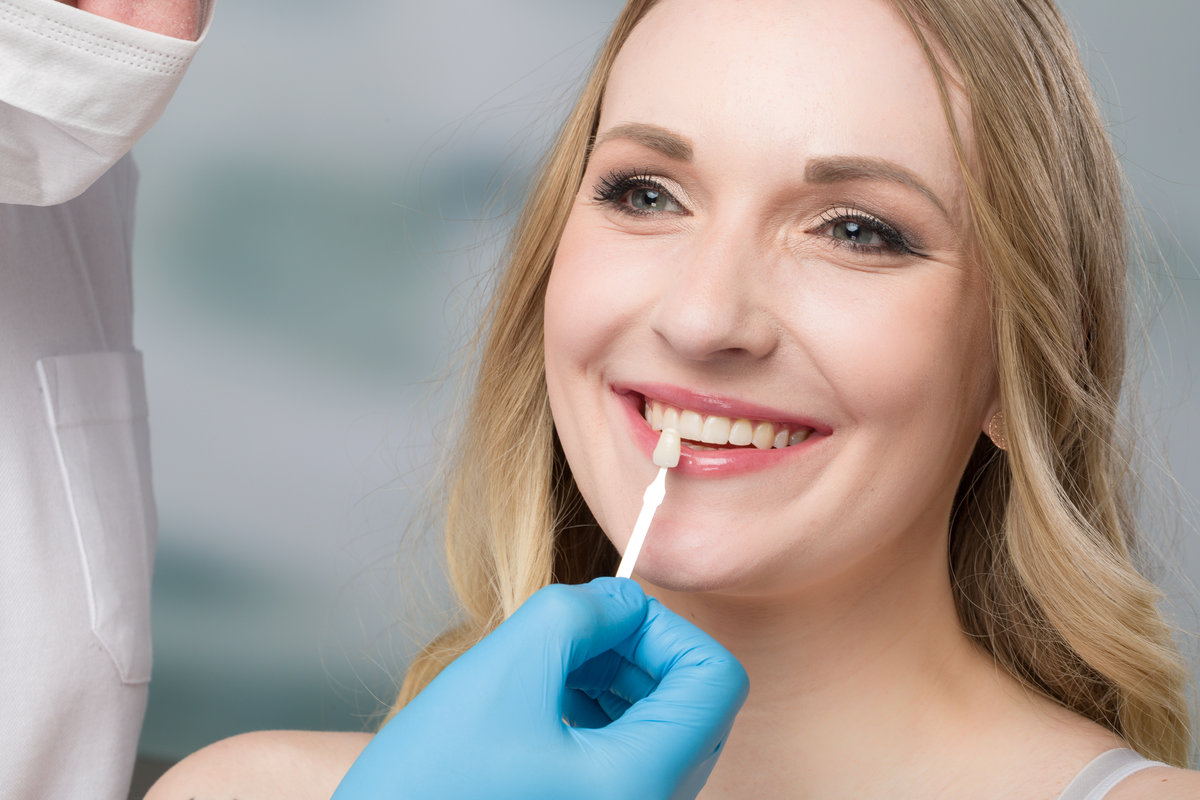
Achieving the desired improvements in dental aesthetics through veneers involves a carefully structured procedure. It begins with a veneer consultation, where the dentist evaluates the patient’s oral health, discusses aesthetic goals, and determines suitability for veneers. During this phase, customized treatment plans are developed, often including digital imaging to preview expected results.
Following consultation, dental preparation is performed. This step involves minimally reshaping the tooth surface to accommodate the veneer’s thickness, ensuring a natural fit and appearance. Impressions of the prepared teeth are then taken to fabricate precise, custom veneers in a dental laboratory. Temporary veneers may be placed while waiting for the permanent ones. Finally, the custom veneers are bonded to the teeth, completing the process with adjustments to optimize comfort and aesthetics.
Advantages of Porcelain Veneers
While dental veneers require an initial commitment, their benefits extend well beyond cosmetic enhancement. Porcelain veneers offer significant aesthetic enhancement by effectively concealing discoloration, chips, and misalignments, resulting in a natural-looking, flawless appearance. This contributes to a remarkable smile transformation, positively impacting patients’ confidence and self-esteem. Additionally, veneers are durable and stain-resistant, maintaining their appearance longer than many alternative treatments. Their minimally invasive application preserves much of the natural tooth structure, making them a conservative option for smile improvement. Moreover, veneers can be customized in shape, size, and color, ensuring a personalized result that complements each patient’s facial features. Collectively, these advantages underscore why porcelain veneers remain a popular and valuable choice for those seeking lasting smile enhancement.
Potential Drawbacks to Consider
Considering porcelain veneers involves recognizing certain limitations alongside their benefits. Patients should be aware of potential drawbacks before proceeding.
- Tooth Sensitivity: The enamel removal process necessary for veneer placement can cause increased tooth sensitivity, particularly to hot and cold stimuli.
- Irreversibility: Enamel removal is permanent, meaning once veneers are applied, natural teeth cannot be restored to their original condition without replacement veneers.
- Durability Concerns: Although porcelain is strong, veneers can chip or crack under excessive force, requiring repair or replacement.
Understanding these factors helps patients make informed decisions, weighing the aesthetic advantages against possible long-term implications such as sensitivity and the commitment to maintaining veneers over time.
Cost Breakdown and Financial Factors
Porcelain veneers involve an initial financial commitment that varies based on factors such as the number of veneers and the dental practice. It is crucial to evaluate not only the upfront cost but also potential long-term expenses related to maintenance or replacement. Understanding these financial aspects helps patients make informed decisions about their investment in dental aesthetics.
Initial Cost Overview
Although dental veneers offer significant aesthetic benefits, understanding the initial cost is essential for informed decision-making. The upfront expense can vary widely due to several cost factors, making it vital for patients to evaluate their options carefully. Key considerations include:
- Number of veneers required: More veneers increase the total cost.
- Geographic location and dental practice: Prices differ based on regional market rates and clinic reputation.
- Material quality and technician expertise: Higher-quality porcelain and skilled craftsmanship result in higher fees.
Patients should also explore available financing options to manage these expenses effectively. Many dental offices offer payment plans or collaborate with third-party lenders to make porcelain veneers more accessible. A clear understanding of these initial costs enables patients to plan their investment in dental aesthetics responsibly.
Long-Term Financial Considerations
Long-term financial commitment plays an essential role in evaluating the overall value of dental veneers. While the initial cost may seem significant, patients often benefit from long term savings by reducing the need for frequent dental repairs or cosmetic treatments. Porcelain veneers offer durability and resistance to staining, which can minimize future expenses related to whitening or restorative procedures. Additionally, the investment benefits extend beyond aesthetics, potentially boosting confidence and professional opportunities. It is crucial to assess maintenance costs, such as occasional replacements or adjustments, which vary depending on individual circumstances. Overall, weighing these financial factors helps patients make informed decisions about porcelain veneers, ensuring that the potential long-term advantages justify the upfront expenditure.
Longevity and Maintenance Requirements
Durability is a key factor when evaluating the value of porcelain veneers, as their lifespan directly impacts overall satisfaction and cost-effectiveness. Typically, veneers last between 10 to 15 years, aligning with common durability expectations. Proper maintenance greatly influences this longevity.
Key care tips include:
1. Practicing excellent oral hygiene by brushing and flossing daily to prevent decay around veneers.
2. Avoiding habits such as biting hard objects or using teeth as tools, which can cause chips or fractures.
3. Scheduling regular dental check-ups for professional cleanings and early detection of potential issues.
Adhering to these guidelines guarantees veneers maintain their appearance and function. Understanding longevity and maintenance requirements empowers patients to make informed decisions about investing in porcelain veneers.
Comparing Porcelain Veneers to Alternative Treatments
Evaluating porcelain veneers alongside alternative dental treatments involves examining factors such as effectiveness, cost, and suitability for individual patient needs. Porcelain comparisons reveal that veneers offer superior aesthetics and durability compared to composite bonding, which is less expensive but more prone to staining and chipping. Treatment alternatives like teeth whitening address discoloration but do not correct shape or alignment issues, limiting their applicability. Orthodontic options, while effective for structural correction, require longer treatment times and may not achieve the immediate cosmetic enhancement veneers provide. Ultimately, porcelain veneers present a balance between long-lasting results and aesthetic improvement, though their higher cost and irreversible procedure must be weighed against less invasive, lower-cost treatment alternatives tailored to each patient’s specific dental concerns.
How to Decide if Veneers Are Right for You
Determining whether porcelain veneers are suitable involves a careful assessment of the individual’s dental health to guarantee a stable foundation. It is also important to clearly define cosmetic objectives to align expectations with achievable outcomes. Additionally, evaluating budgetary considerations helps in making an informed and sustainable decision.
Assessing Dental Health
How can individuals ascertain whether porcelain veneers are a suitable option for their dental needs? A thorough assessment of dental hygiene and overall oral health is essential before proceeding. Key considerations include:
- Condition of natural teeth: Healthy enamel and gums are critical to support veneers properly.
- Absence of decay or gum disease: Active dental issues must be treated to prevent complications.
- Habit evaluation: Bruxism or poor dental hygiene habits can affect veneer longevity.
Dental professionals conduct extensive examinations to evaluate these factors, ensuring that candidates for veneers have a stable oral environment. Proper dental hygiene practices and the absence of periodontal disease indicate readiness for veneer placement. This patient-centered approach helps determine whether veneers will enhance dental aesthetics without compromising oral health.
Evaluating Cosmetic Goals
Once dental health suitability is established, attention turns to the patient’s aesthetic objectives. Evaluating cosmetic goals is vital in determining whether porcelain veneers are the appropriate choice for smile enhancement. Patients seeking to correct discoloration, minor misalignments, or shape irregularities may find veneers effective in achieving their desired look. Clear communication with a dental professional helps align expectations with realistic outcomes. It is important to reflect on the extent of desired changes and how veneers can complement natural facial features. This evaluation guarantees that the treatment plan addresses individual needs while enhancing overall appearance. Ultimately, a thorough assessment of cosmetic goals guides both patient and practitioner in deciding if porcelain veneers represent the best solution for achieving a confident, improved smile.
Considering Budget Constraints
When considering porcelain veneers, financial factors play an essential role in the decision-making process. Patients must align their budget priorities with the overall cost of treatment to determine feasibility. Effective financial planning allows for a realistic assessment of affordability without compromising other essential expenses. Key considerations include:
- Total procedure cost, including consultation, preparation, and follow-up visits.
- Availability of financing options or payment plans to spread costs over time.
- Comparison of veneers against alternative cosmetic treatments regarding long-term value.
Frequently Asked Questions
Can Porcelain Veneers Be Whitened After Placement?
Porcelain veneers cannot be whitened after placement; maintaining veneer longevity requires proper porcelain maintenance, including regular dental check-ups and avoiding staining agents. Patients should rely on professional cleaning to preserve the veneers’ appearance over time.
Are There Any Dietary Restrictions With Porcelain Veneers?
Porcelain veneers require minimal dietary considerations; patients should avoid excessively hard or sticky food choices to prevent damage. Maintaining good oral hygiene and regular dental check-ups supports veneers’ longevity and preserves their aesthetic appearance.
How Do Veneers Affect Speech or Pronunciation?
Porcelain veneers may initially cause minor pronunciation changes as patients adjust, but speech clarity typically improves quickly. Most individuals adapt within days, experiencing no long-term impact on their ability to speak clearly or enunciate properly.
Can Veneers Be Removed or Replaced if Damaged?
Veneers can be removed or replaced if damaged, though this involves a careful replacement process to preserve tooth structure. Their longevity depends on maintenance, with proper care often extending functionality and aesthetics for many years.
Do Porcelain Veneers Cause Tooth Sensitivity?
Porcelain veneers may cause temporary tooth sensitivity due to enamel removal during preparation. However, this usually subsides. Proper technique and maintenance enhance veneer longevity, minimizing sensitivity and ensuring long-term patient comfort and satisfaction.