
The Psychology of Smiling: How Cosmetic Dentistry Boosts Confidence
Smiling is more than a simple facial expression; it profoundly influences psychological well-being and social dynamics. Research shows that individuals who feel confident in their smiles experience higher self-esteem and more positive interactions. However, dental imperfections often inhibit this natural response, leading to social withdrawal or reduced happiness. Cosmetic dentistry addresses these barriers, yet its impact extends beyond aesthetics, touching deeper emotional and psychological layers. Understanding this connection reveals why a confident smile matters so much.
The Emotional Impact of Smiling
Although often perceived as a simple facial expression, smiling exerts a profound influence on emotional well-being and social interactions. As a form of emotional expression, smiling triggers the release of neurotransmitters such as dopamine and serotonin, which are closely linked to mood regulation. Research in smile therapy highlights that intentional smiling can reduce stress and elevate feelings of happiness, demonstrating a bidirectional relationship between facial expressions and internal emotional states. Furthermore, the psychological benefits of smiling extend beyond momentary pleasure, contributing to long-term resilience against anxiety and depression. This evidence-based understanding underscores the importance of smile-related interventions in enhancing mental health, suggesting that cosmetic dentistry’s role in fostering genuine smiles can have meaningful emotional implications. Consequently, the emotional impact of smiling is both significant and measurable.
How Smiling Influences Social Interactions
Smiling plays a critical role in establishing trust during social interactions, as it signals openness and approachability. Research indicates that genuine smiles can facilitate smoother communication by conveying positive emotions and reducing social barriers. Understanding the influence of smiling on interpersonal dynamics highlights its importance beyond mere facial expression, impacting both personal and professional relationships.
Smiling and Trust
The expression of a genuine smile plays a critical role in fostering trust during social interactions. Research indicates that smiling authenticity considerably influences trust building, as authentic smiles—characterized by the engagement of specific facial muscles—are perceived as honest and sincere signals. This nonverbal cue reduces social uncertainty and promotes positive evaluations, facilitating rapport and cooperation. Conversely, inauthentic or forced smiles can undermine trust, leading to skepticism or social distancing. Cosmetic dentistry, by enhancing smile aesthetics and self-confidence, may indirectly improve smiling authenticity, thereby strengthening trust in interpersonal exchanges. Understanding the psychological mechanisms behind smiling and trust provides insight into how a confident smile acts as a social lubricant, essential for establishing and maintaining meaningful relationships grounded in mutual trust.
Smile’s Role in Communication
How does a simple facial expression convey complex social messages and influence interpersonal dynamics? Smiling serves as a powerful nonverbal cue that complements verbal communication, facilitating rapport and mutual understanding. Research indicates that individuals who smile are perceived as more approachable, trustworthy, and competent, which positively impacts social interactions. Smiles can regulate conversational flow, signaling attentiveness or agreement, thereby enhancing communication effectiveness. In cross-cultural contexts, while interpretations may vary, smiling generally functions as a universal signal of goodwill. Cosmetic dentistry, by improving smile aesthetics, can reinforce these positive nonverbal cues, thereby boosting an individual’s confidence in social environments. Consequently, the smile’s role in communication extends beyond mere expression, acting as an essential mechanism for social bonding and the nuanced exchange of emotional information.
Common Dental Concerns That Affect Smiling
Although often overlooked, various dental issues can greatly undermine an individual’s willingness to smile openly. Research indicates that concerns such as crooked teeth or misaligned bite not only affect aesthetics but also oral function. Gum disease and tooth decay contribute to discomfort and chronic bad breath, further discouraging social interactions. Additionally, stained enamel and missing teeth can lower self-esteem, intensifying dental anxiety and avoidance behaviors. Key dental concerns impacting smiles include:
- Misaligned or crooked teeth disrupting appearance and bite.
- Gum disease and tooth decay causing pain and halitosis.
- Stained enamel diminishing visual appeal.
- Missing teeth creating functional and psychological challenges.
Understanding these factors highlights the complex interplay between oral health and psychological well-being, underscoring the importance of addressing dental concerns to restore confidence.
Overview of Popular Cosmetic Dentistry Procedures
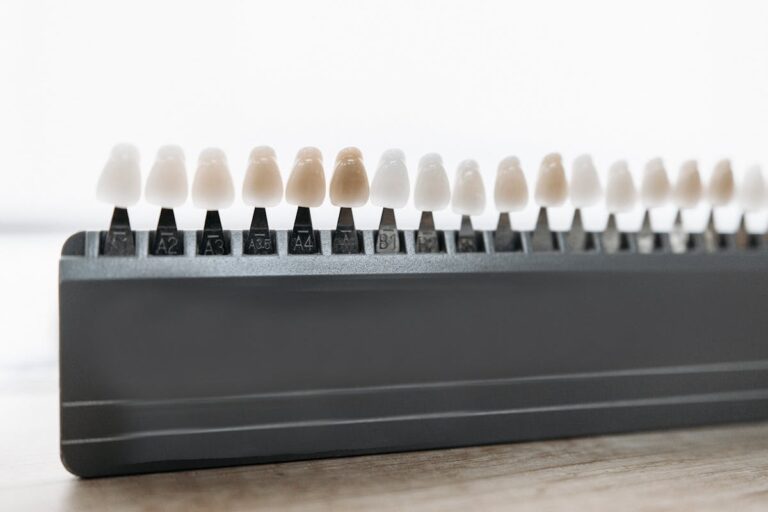
Popular cosmetic dentistry procedures address common aesthetic concerns by enhancing the appearance and function of the teeth. Teeth whitening offers a non-invasive method to improve brightness, while veneers provide significant transformation by correcting shape and color irregularities. Invisalign, through discreet alignment, improves dental positioning and contributes to patient confidence with minimal disruption.
Teeth Whitening Benefits
When considering cosmetic dentistry, teeth whitening emerges as a widely sought-after procedure due to its ability to enhance appearance and boost self-esteem. Teeth discoloration causes range from dietary habits to aging and certain medications, making whitening an effective solution for many. Both professional treatments and at home whitening options offer varying degrees of convenience and results, appealing to diverse patient needs. Key benefits include:
- Immediate improvement in smile brightness, positively impacting self-confidence
- Non-invasive nature, preserving natural tooth structure
- Customizable treatments addressing different discoloration causes
- Psychological uplift, reducing social anxiety linked to dental appearance
Evidence suggests that the visual enhancement of teeth whitening directly correlates with increased social engagement and emotional well-being, underscoring its psychological importance.
Veneers Transformation Effects
Beyond teeth whitening, veneers represent a transformative option within cosmetic dentistry, offering solutions for a range of aesthetic concerns such as discoloration, chips, and misalignment. These thin porcelain or composite shells adhere to the front surfaces of teeth, providing immediate aesthetic improvement by enhancing shape, color, and overall smile uniformity. Empirical studies indicate that veneer longevity typically spans 10 to 15 years, contingent on maintenance and oral hygiene, underscoring the importance of patient commitment. Psychologically, veneers can markedly elevate self-esteem by correcting visible dental imperfections, contributing to increased confidence in social and professional interactions. While the procedure involves irreversible enamel alteration, the lasting cosmetic benefits often outweigh concerns, making veneers a preferred choice for individuals seeking durable, natural-looking enhancements to their dental appearance.
Invisalign Alignment Improvements
Although traditional braces have long been the standard for correcting misaligned teeth, Invisalign offers a discreet and flexible alternative that appeals to many seeking cosmetic dental improvements. Utilizing clear aligners, Invisalign benefits patients by providing an almost invisible treatment option, enhancing comfort and convenience. Clinical studies support its effectiveness in aligning teeth with minimal disruption to daily life.
Key Invisalign benefits include:
- Removability, allowing easier oral hygiene and eating.
- Reduced irritation compared to metal brackets.
- Customization through advanced 3D imaging for precise alignment.
- Shorter average treatment times for mild to moderate cases.
These factors contribute to improved self-esteem and confidence, as patients experience gradual but noticeable smile enhancements without the social stigma often associated with traditional braces.
The Role of Cosmetic Dentistry in Enhancing Self-Esteem
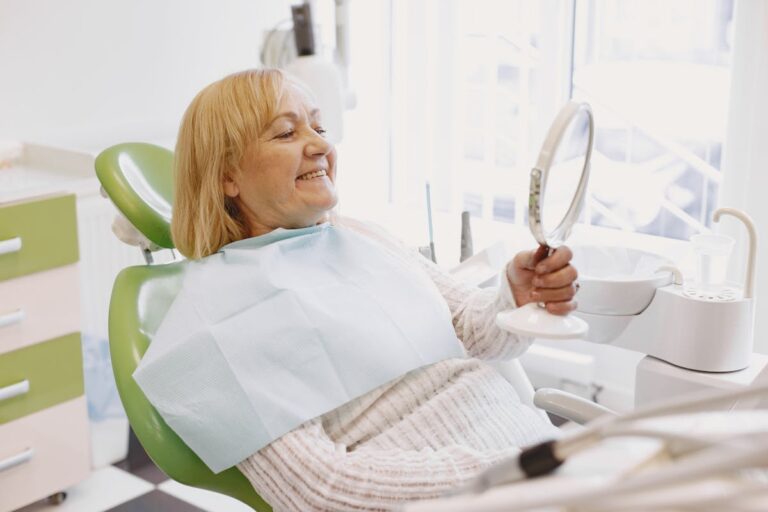
Because physical appearance greatly influences social interactions, cosmetic dentistry plays an essential role in shaping individuals’ self-esteem. Empirical studies indicate that improvements in dental aesthetics contribute considerably to self image enhancement, positively impacting how individuals perceive themselves in social contexts. Cosmetic procedures such as teeth whitening, veneers, and alignment correction address visible dental concerns that often trigger dental anxiety, thereby reducing psychological barriers to seeking treatment. By alleviating insecurities related to one’s smile, cosmetic dentistry fosters a renewed sense of self-worth. This correlation is supported by psychological assessments showing increased confidence following dental interventions. Nonetheless, it is critical to approach treatments with realistic expectations and professional guidance to guarantee outcomes align with patients’ psychological needs, ultimately reinforcing rather than superficially altering self-esteem.
Psychological Benefits of a Confident Smile
When individuals possess a confident smile, measurable psychological benefits often emerge, influencing various aspects of mental well-being. Research indicates that self image enhancement through cosmetic dentistry can greatly improve emotional resilience and social functioning. The following psychological benefits are frequently observed:
- Increased self-esteem, fostering positive self-perception.
- Reduced social anxiety, facilitating more open interpersonal interactions.
- Enhanced mood, linked to frequent smiling and positive feedback loops.
- Greater emotional resilience, enabling better coping with stress and setbacks.
These outcomes contribute to a reinforced sense of identity and improved quality of life. The interplay between physical appearance and mental health highlights cosmetic dentistry’s role beyond aesthetics, emphasizing its impact on psychological wellness.
Real-Life Stories: Transformations Through Cosmetic Dentistry
Personal narratives provide compelling evidence of the transformative effects cosmetic dentistry can have on individuals’ lives. Analysis of various smile journeys reveals consistent themes: enhanced self-esteem, improved social interactions, and greater professional confidence. Personal testimonials frequently highlight the emotional relief and renewed motivation following dental treatments, underscoring the psychological benefits beyond physical appearance. Empirical studies corroborate these accounts, linking cosmetic dental improvements to measurable increases in well-being. These real-life stories illustrate how tailored interventions address unique dental concerns, fostering a sense of empowerment. By examining diverse cases, the evidence-based perspective confirms that cosmetic dentistry is not merely aesthetic but integral to psychological health. Consequently, these transformations validate the role of smile journeys as catalysts for broader life improvements.
Tips for Maintaining Your Smile Post-Treatment
Maintaining the results of cosmetic dentistry requires consistent care and informed habits to preserve both aesthetic and functional outcomes. Effective post treatment care is essential for long-term smile maintenance, ensuring the investment yields lasting confidence.
Key tips include:
- Adhering to a rigorous oral hygiene routine, including brushing twice daily with a non-abrasive toothpaste and flossing to prevent plaque buildup.
- Avoiding staining substances such as tobacco, coffee, and red wine to maintain the brightness of dental work.
- Attending regular dental check-ups for professional cleanings and early detection of potential issues.
- Following specific instructions provided by the dentist, such as using protective mouthguards if recommended.
These evidence-based practices optimize the durability of cosmetic treatments and support the psychological benefits of a radiant smile.
Frequently Asked Questions
How Long Do Cosmetic Dentistry Results Typically Last?
Cosmetic dentistry results typically last 5 to 15 years, depending on longevity factors such as material quality and oral hygiene. Maintenance tips include regular dental check-ups, avoiding staining foods, and practicing good oral care for prolonged durability and aesthetics.
Are Cosmetic Dental Procedures Covered by Insurance?
Insurance coverage for cosmetic dental procedures is generally limited, as many are considered elective. Patients often bear procedure costs out-of-pocket, though some plans may partially cover treatments addressing functional or health-related concerns, emphasizing the need for individualized policy review.
What Are the Risks or Side Effects of Cosmetic Dentistry?
The complications involved in cosmetic dentistry can include infection, tooth sensitivity, and nerve damage. Long term effects may involve gum recession or restoration failure. Evidence-based assessment and empathetic consultation mitigate risks and enhance patient outcomes.
How Do I Choose the Right Cosmetic Dentist?
Choosing the right cosmetic dentist involves evaluating patient reviews for reliability and satisfaction, and engaging in a thorough consultation process to assess expertise, treatment options, and comfort level, ensuring evidence-based, empathetic care tailored to individual needs.
Can Cosmetic Dentistry Fix Dental Problems Caused by Aging?
Cosmetic dentistry effectively addresses aging effects through dental restoration techniques like veneers, crowns, and implants. These evidence-based methods restore function and aesthetics, improving oral health and patient confidence while empathetically considering individual aging-related dental challenges.