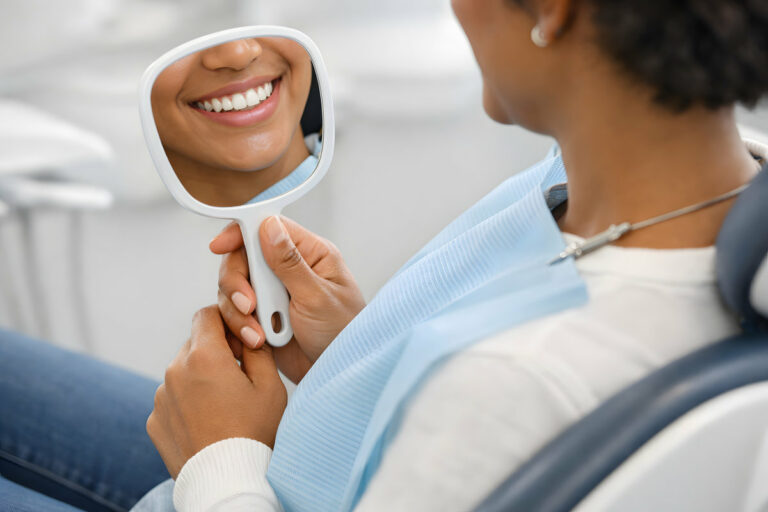

Can Cosmetic Dentistry Fix Old Dental Work?
Old dental work can present challenges such as discoloration, wear, and structural issues over time. Cosmetic dentistry offers solutions designed to restore both function and aesthetics, addressing these concerns with modern techniques and materials. Understanding how these treatments work and which options are best suited for individual needs is essential. Exploring the possibilities raises important considerations about the longevity and effectiveness of updated dental restorations.
Common Issues With Old Dental Work
Old dental restorations, such as fillings, crowns, and bridges, often present a range of issues as they age. Common dental issues include discoloration, wear, cracks, and gaps forming between the restoration and natural teeth. Outdated materials like amalgam fillings or older composite resins may deteriorate over time, compromising both function and aesthetics. These materials can also cause sensitivity or allergic reactions in some patients. Additionally, the margins of old restorations can weaken, allowing bacteria to infiltrate and lead to decay beneath the restoration. Patients may experience discomfort or difficulty chewing due to changes in the fit or integrity of these restorations. Understanding these challenges helps patients and dental professionals make informed decisions about maintenance or replacement options to guarantee oral health and comfort.
How Cosmetic Dentistry Can Improve Old Restorations
Cosmetic dentistry offers effective solutions to enhance the appearance of aging or worn dental restorations, improving overall smile aesthetics. It can address issues such as cracks, discoloration, or material degradation by repairing or replacing damaged restorations with advanced, durable materials. These upgrades not only restore function but also increase the longevity and natural look of dental work, benefiting patient confidence and oral health.
Enhancing Aesthetic Appearance
How can dental aesthetics be revitalized when previous restorations begin to show signs of wear or discoloration? Cosmetic dentistry offers targeted aesthetic improvements that enhance the appearance of old dental work, contributing greatly to renewed dental confidence. Techniques such as professional whitening can address discoloration around existing crowns or veneers, creating a more uniform smile. Additionally, replacing outdated materials with modern, tooth-colored composites or ceramics improves translucency and texture, closely mimicking natural teeth. These enhancements not only restore visual harmony but also help patients feel more comfortable and confident in social and professional settings. By focusing on the visual integration of restorations with natural dentition, cosmetic dentistry effectively rejuvenates smiles, ensuring that old dental work no longer detracts from overall aesthetic appeal.
Repairing Damaged Restorations
Addressing damaged dental restorations requires a careful blend of functionality and aesthetics to guarantee long-lasting results. Cosmetic dentistry offers advanced restoration techniques that effectively repair chips, cracks, or wear in existing dental work. By precisely matching the shade and texture of surrounding teeth, these techniques restore natural appearance while reinforcing structural integrity. The selection of appropriate dental materials—such as composite resins or porcelain—plays a critical role in achieving a seamless repair that withstands daily use. Additionally, minimally invasive procedures preserve as much original tooth structure as possible, promoting oral health. Through tailored treatment plans, cosmetic dentists enhance both the durability and visual harmony of old restorations, ensuring patients regain confidence in their smiles without compromising functionality.
Upgrading Material Durability
Enhancing the durability of existing dental restorations involves selecting advanced materials designed to withstand the stresses of daily use while maintaining aesthetic appeal. Material advancements in cosmetic dentistry provide significant longevity benefits, allowing patients to enjoy improved function and appearance for extended periods. Key considerations include:
- Utilizing high-strength ceramics that resist chipping and discoloration.
- Applying resin composites with enhanced wear resistance for natural-looking results.
- Incorporating zirconia-based materials known for exceptional durability and biocompatibility.
- Employing adhesive technologies that strengthen restoration bonding and reduce failure risk.
Types of Cosmetic Treatments for Aging Dental Work
Several cosmetic treatments are available to restore the appearance and function of aging dental work. Porcelain veneers offer a minimally invasive option to enhance discolored, worn, or chipped teeth, providing a natural, uniform look while preserving underlying structures. These thin shells can mask imperfections and improve overall aesthetics. Dental implants serve as a durable solution for replacing failing or missing teeth, restoring both function and appearance. They integrate with the jawbone, offering stability unmatched by traditional dentures or bridges. Other treatments, such as professional whitening and contouring, may complement these approaches by addressing discoloration and shape irregularities. Selecting the appropriate treatment depends on individual dental conditions, cosmetic goals, and long-term oral health considerations, requiring thorough evaluation by a dental professional.
Replacing Old Fillings and Crowns
As aging dental restorations such as fillings and crowns begin to deteriorate, many patients seek options to maintain both oral health and aesthetics. Replacing old fillings and crowns involves careful examination of existing restoration integrity and material compatibility. Key considerations include:
- Evaluating the condition of filling materials, such as amalgam or composite resin, to determine replacement necessity.
- Selecting appropriate crown types—porcelain, ceramic, or metal-based—based on durability and cosmetic goals.
- Removing deteriorated restorations while preserving healthy tooth structure.
- Ensuring new restorations provide a natural appearance and proper bite alignment.
This approach not only restores function but also enhances smile aesthetics, offering patients renewed confidence and long-term oral health benefits through modern cosmetic dentistry techniques.
Updating Veneers and Bonding
Many individuals with veneers or bonding eventually require updates to maintain ideal appearance and function. Over time, veneers may experience wear, discoloration, or minor damage, affecting their aesthetic appeal and durability. The veneers longevity depends on factors such as material quality, oral hygiene, and lifestyle habits. Replacing or repairing veneers involves careful assessment to match shade, shape, and texture for a natural look.
Similarly, bonding techniques have evolved, allowing for more durable and lifelike restorations. Older bonding may chip or stain, necessitating refinishing or replacement. Modern bonding materials provide improved adhesion and color stability, enhancing both appearance and function. Updating these restorations requires a thorough evaluation to guarantee compatibility with existing dental structures and patient-specific needs, ultimately restoring confidence and oral health.
The Role of Teeth Whitening in Enhancing Old Dental Work
Although teeth whitening primarily targets natural tooth enamel, its role in enhancing the appearance of old dental work is significant. Teeth whitening techniques can improve overall smile aesthetics but have limitations when applied to restorations such as crowns, veneers, or bonding. Key considerations include:
- Whitening effectiveness varies between natural teeth and restorative materials.
- Whitening may create color mismatches if old dental work does not respond.
- Professional in-office whitening offers controlled results and safety.
- Consultation guarantees tailored treatment plans, balancing whitening and restoration replacement if needed.
Understanding these factors helps patients set realistic expectations and achieve harmonious smile improvements without compromising the integrity of existing dental work. Teeth whitening serves as a valuable adjunct in cosmetic dentistry focused on revitalizing older restorations.
What to Expect During the Cosmetic Dentistry Process
Several steps characterize the cosmetic dentistry process, each designed to guarantee excellent results tailored to individual patient needs. Initially, a thorough cosmetic consultation evaluates the condition of old dental work and discusses patient goals. During this session, the dentist outlines potential treatments and establishes a clear treatment timeline. Diagnostic tools such as X-rays and impressions may be used to plan precise interventions. Subsequent appointments focus on executing the agreed-upon procedures, which can include repairing or replacing restorations, whitening, or reshaping teeth. Throughout treatment, patient comfort and progress are closely monitored to ensure satisfaction. The final phase involves polishing and adjusting restorations for top-notch aesthetics and function. Clear communication during the entire process helps manage expectations and achieve a harmonious, natural-looking smile.
Factors to Consider Before Updating Old Dental Work
Before updating old dental work, a careful review of the existing materials’ durability is essential to guarantee longevity and function. Additionally, evaluating the compatibility of previous restorations with modern cosmetic techniques can influence treatment decisions. These considerations help tailor an effective and personalized approach to dental renewal.
Material Durability Assessment
When evaluating the need to update old dental work, understanding the durability of the materials used is essential to guarantee long-lasting results. Analyzing material lifespan and restoration performance helps determine whether replacement is necessary or if repair is sufficient. Key factors include:
- Material Composition: Different materials, such as amalgam, composite, or ceramic, have varying lifespans and resistance to wear.
- Wear and Tear: The extent of deterioration affects functionality and aesthetics.
- Previous Performance: How well the restoration has functioned over time signals expected longevity.
- Environmental Exposure: Factors like diet and oral hygiene impact material degradation.
A thorough material durability evaluation enables dental professionals to recommend updates that ensure durability, functionality, and improved patient satisfaction without compromising oral health.
Compatibility With New Techniques
Evaluating the durability of existing dental materials provides a foundation for determining how well old restorations may integrate with contemporary cosmetic dentistry techniques. Technique compatibility is critical when considering updates to previous dental work, as new approaches often require materials and bonding methods that differ from those originally used. Material advancements have introduced composites and ceramics with improved strength and aesthetics, but these may not always adhere effectively to older materials like amalgam or certain metal alloys. A thorough assessment enables practitioners to select appropriate methods that guarantee seamless integration, longevity, and patient comfort. Understanding these factors helps avoid complications such as debonding or discoloration, ultimately guiding personalized treatment plans that enhance both function and appearance while respecting the integrity of prior dental investments.
Frequently Asked Questions
How Long Does Cosmetic Dental Work Typically Last Before Needing Replacement?
Cosmetic dental work typically lasts 5 to 15 years, depending on cosmetic longevity factors such as materials used and oral hygiene. Restoration maintenance tips include regular dental visits and avoiding excessive force to extend durability and appearance.
Are Cosmetic Dental Procedures Covered by Insurance?
Insurance coverage for cosmetic dental procedures varies widely, often excluding elective treatments. Patients should carefully review policy details, as procedure costs are typically out-of-pocket unless deemed medically necessary or combined with restorative care.
Can Cosmetic Dentistry Address Sensitivity Caused by Old Dental Work?
Cosmetic dentistry can provide sensitivity relief by addressing issues in old dental restorations. Techniques like replacing faulty restorations or applying desensitizing treatments enhance comfort, ensuring patients experience improved dental function and reduced sensitivity effectively.
Is It Painful to Update or Replace Old Dental Restorations?
Updating or replacing old dental restorations typically involves minimal discomfort due to effective pain management techniques. Patient experiences vary, but most report manageable sensations, emphasizing the importance of communication with dentists to guarantee a comfortable procedure.
How Do I Choose the Right Cosmetic Dentist for Updating Old Work?
Choosing the right cosmetic dentist involves credentials verification to guarantee proper training and expertise, alongside reviewing patient testimonials for insight into satisfaction and outcomes. This patient-focused approach promotes informed decisions when updating old dental work.