How Many Veneers Do You Really Need for a Natural Smile?
Determining the appropriate number of veneers for a natural smile involves more than simply addressing visible imperfections. Factors such as the condition of existing teeth, the desired aesthetic outcome, and the balance between enhancing appearance and maintaining authenticity play critical roles. Understanding how these elements interact can help guide the decision, but the answer is rarely straightforward and varies considerably from person to person.
Factors Influencing the Number of Veneers Needed
Several key factors determine the number of veneers required to achieve a natural smile. Primarily, the condition and alignment of the existing teeth influence how many veneers are necessary to restore smile symmetry. If only a few teeth are discolored or misshapen, fewer veneers may suffice, whereas widespread imperfections often require more extensive coverage. Additionally, the desired aesthetic outcome plays a role in determining the quantity. Consideration of veneer longevity is essential; high-quality materials and proper placement can extend the lifespan, making the investment worthwhile. The dentist’s assessment of tooth function and bite also guides the decision, ensuring that the veneers do not compromise oral health. Ultimately, a tailored approach balances aesthetic goals with functional needs for lasting, natural results.
Assessing Your Smile Goals and Expectations
Evaluating one’s desired smile appearance is a vital step in determining the appropriate number of veneers. Clear communication between the patient and dentist helps align expectations with achievable outcomes. This collaborative approach guarantees a natural and satisfying result.
Defining Desired Smile Look
How does one determine the ideal appearance for a natural smile? Defining the desired smile look begins with a clear understanding of individual smile preferences. Each person’s perception of beauty varies, influenced by factors such as facial structure, personality, and lifestyle. Achieving aesthetic harmony involves balancing tooth color, shape, and alignment to complement overall facial features. A thorough evaluation by a dental professional helps identify specific characteristics that enhance natural appeal while respecting personal taste. This stage is essential to ensuring that veneer treatment aligns with one’s vision of a natural, attractive smile. By carefully defining these goals, patients and clinicians can collaboratively develop a tailored approach that meets both functional and cosmetic objectives.
Aligning Expectations With Outcomes
Once the desired smile look is defined, aligning expectations with achievable outcomes becomes an essential step in the veneer process. Dental professionals carefully assess patient expectations to guarantee they are realistic and attainable given individual dental conditions. This assessment helps prevent misunderstandings and dissatisfaction by clarifying what veneers can and cannot accomplish. By discussing factors such as tooth shape, color, and alignment, practitioners guide patients toward outcomes that enhance natural beauty without compromising oral health. Transparent communication about treatment limitations promotes trust and confidence. Ultimately, this alignment guarantees that the final smile reflects both the patient’s aesthetic goals and the practical possibilities of veneer application, resulting in a satisfying and authentic enhancement.
The Role of Tooth Condition in Veneer Selection
Several factors related to the existing condition of a patient’s teeth greatly influence the selection and number of veneers required. Tooth health must be thoroughly assessed to guarantee durability and long-term success. Aesthetic harmony is achieved by considering how each veneer complements adjacent teeth. Key considerations include:
- Presence of decay or damage affecting structural integrity
- Existing discoloration that may require more extensive coverage
- Tooth alignment and spacing influencing the number of veneers needed
- Enamel thickness, which affects bonding strength and veneer placement
Understanding these elements helps dental professionals tailor veneer treatment plans that balance functional health with visual appeal. By evaluating tooth condition carefully, practitioners guarantee veneers not only enhance appearance but also preserve oral health, leading to a natural, harmonious smile outcome.
Full Smile Makeovers vs. Partial Enhancements
When determining the appropriate veneer treatment, dental professionals must distinguish between full smile makeovers and partial enhancements, as each approach addresses different aesthetic and functional goals. Full smile transformations involve applying veneers to most or all visible teeth, creating a uniform, harmonious appearance especially beneficial for extensive discoloration, misalignment, or damage. In contrast, partial enhancements focus on targeted improvements, addressing specific teeth with imperfections while preserving the natural appearance of the surrounding dentition. This method is ideal for patients seeking subtle changes or correcting isolated issues without the scope of a full makeover. Both strategies require careful assessment to guarantee the chosen approach aligns with the patient’s goals, oral health, and desired level of alteration, fostering outcomes that are both natural-looking and functionally sound.
Balancing Aesthetics With Budget Constraints
Although achieving an ideal smile is a priority for many patients, financial considerations often play a significant role in treatment decisions. Striking a balance between aesthetic balance and budget considerations is essential to guarantee satisfactory outcomes without undue financial strain. Patients can explore various strategies to optimize their veneers treatment while managing costs effectively.
- Prioritize veneers on the most visible teeth to maximize impact.
- Discuss material options with the dentist to find cost-effective alternatives.
- Consider phased treatment plans to spread expenses over time.
- Evaluate the long-term value of quality veneers versus cheaper, less durable options.
How Veneers Blend With Natural Teeth
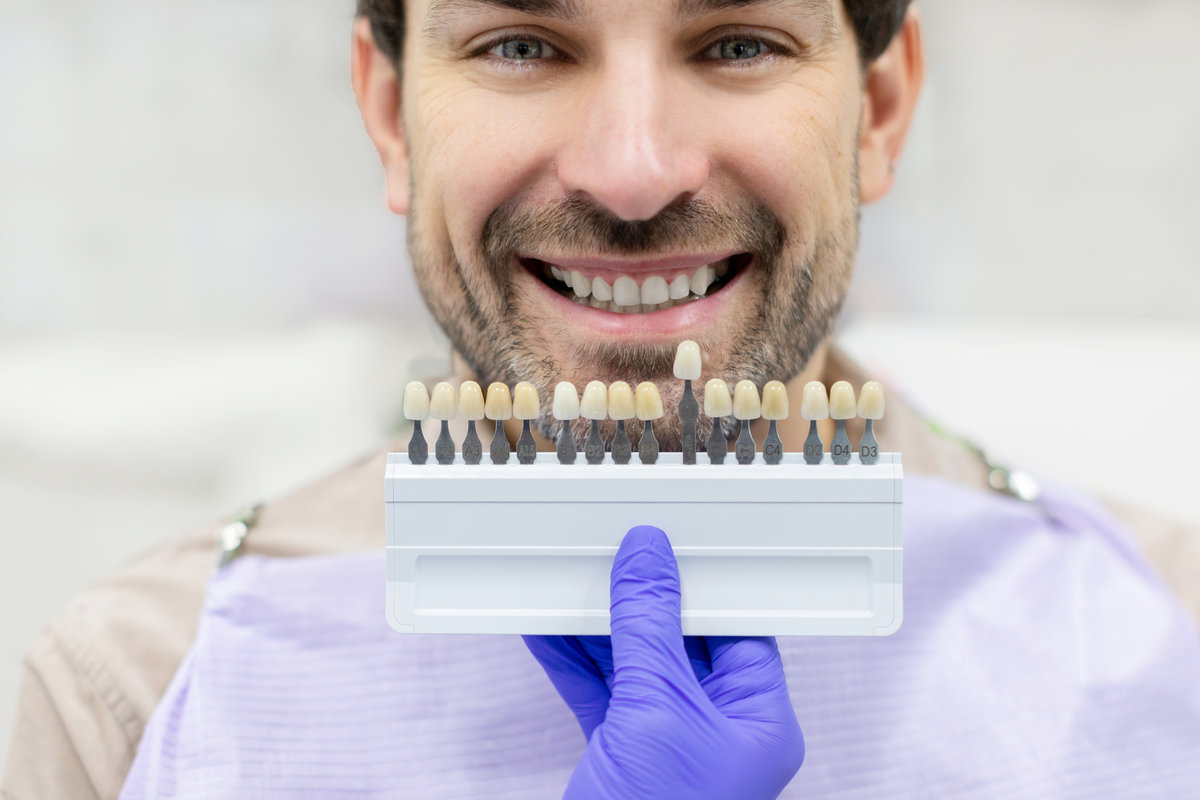
Because veneers are designed to enhance the appearance of teeth, their ability to blend seamlessly with natural dentition is vital for achieving a convincing, harmonious smile. The choice of veneer materials plays a significant role in this integration; porcelain and composite resin are commonly selected for their translucency and durability, closely mimicking natural enamel. Precise color matching is equally important to guarantee veneers do not appear artificial or stand out against adjacent teeth. Dental professionals utilize advanced shade guides and digital tools to match the veneers’ hue, opacity, and texture to the patient’s existing teeth. When executed correctly, veneers harmonize with natural dentition, creating an aesthetic result that is both subtle and appealing, thereby enhancing confidence without compromising authenticity.
Consultation and Customized Treatment Planning
To guarantee ideal results, a thorough consultation and tailored treatment planning are essential steps before proceeding with veneers. This stage involves an extensive treatment assessment to understand the patient’s dental health, aesthetic goals, and functional needs. Based on this evaluation, dental professionals provide personalized recommendations that guarantee the number and placement of veneers create a natural, harmonious smile. Key components of this process include:
- Detailed dental examination and imaging
- Discussion of aesthetic preferences and expectations
- Evaluation of bite and jaw alignment
- Customized treatment plan outlining veneer quantity and design
Maintaining a Natural Look Over Time
Once the appropriate number of veneers has been determined and applied, attention shifts to preserving their natural appearance over time. Maintaining a natural look requires consistent adherence to veneer maintenance tips, including proper oral hygiene, avoiding excessive force, and limiting exposure to staining substances like coffee and tobacco. Regular dental check-ups allow professionals to monitor the veneers’ condition and address any minor issues promptly. Natural appearance considerations also involve selecting compatible dental products that do not damage the veneer surface. Patients are advised to use non-abrasive toothpaste and soft-bristled brushes to prevent surface wear. By following these guidelines, individuals can guarantee their veneers continue to blend seamlessly with natural teeth, maintaining an authentic and lasting smile.
Frequently Asked Questions
How Long Do Veneers Typically Last Before Needing Replacement?
Veneer lifespan typically ranges from 10 to 15 years, depending on care and materials used. Replacement options include new veneers or alternative cosmetic treatments, ensuring continued aesthetic appeal and oral health with professional evaluation.
Are Veneers Reversible Once Applied?
Veneers are generally not reversible once applied due to enamel removal during preparation. Veneer removal is complex, often requiring restoration. Dental alternatives like removable veneers or whitening may be considered for reversible cosmetic changes.
Can Veneers Be Whitened Like Natural Teeth?
Veneers cannot be whitened using traditional whitening methods like natural teeth. Proper veneer maintenance involves regular cleaning and professional check-ups to preserve their appearance, ensuring a consistent, attractive smile over time.
What Materials Are Veneers Commonly Made From?
Veneers are commonly made from porcelain types, valued for durability and natural appearance, or composite options, which offer affordability and easier repair. Both materials provide effective aesthetic solutions tailored to individual dental needs.
Is the Veneer Application Process Painful?
The veneer application process is generally not painful due to effective pain management techniques. Most patients report a comfortable experience, with any discomfort being minimal and temporary, ensuring a positive and reassuring patient experience throughout the procedure.