
Crowns vs. Veneers: Choosing the Right Restoration for Damaged Teeth
Dental crowns and veneers serve distinct purposes in the restoration of damaged teeth, each offering unique advantages depending on the condition and needs of the patient. While crowns provide full coverage and structural support, veneers primarily focus on aesthetic enhancement with minimal alteration to the tooth. Understanding the differences in their applications, materials, and longevity is essential for making an informed choice that balances function and appearance effectively.
What Are Dental Crowns?
Dental crowns are restorative dental devices designed to fully encase a damaged or weakened tooth, restoring its shape, size, strength, and appearance. Crown placement is a common procedure employed when a tooth has extensive decay, a large filling, or has undergone root canal therapy. The primary crown benefits include reinforcing the structural integrity of the tooth, preventing further deterioration, and improving functionality for chewing and speaking. Additionally, crowns enhance aesthetic appeal by matching the color and contour of adjacent teeth. The process involves precise tooth preparation, impression taking, and the fabrication of a custom crown, typically made from materials such as porcelain, metal, or ceramic. Proper crown placement guarantees durability and long-term protection, making crowns a reliable solution for significant tooth restoration.
What Are Dental Veneers?
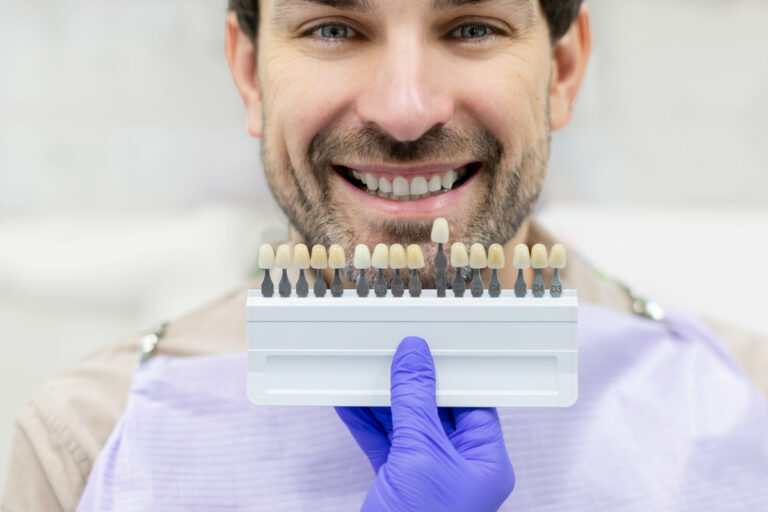
Veneers are thin, custom-made shells designed to cover the front surface of teeth, primarily enhancing their appearance. They serve as a popular cosmetic enhancement for individuals seeking to improve tooth color, shape, size, or minor misalignments without extensive dental procedures. By adhering directly to the enamel, veneers can effectively mask imperfections such as discoloration, chips, and slight irregularities in tooth alignment. This minimally invasive option preserves most of the natural tooth structure while providing a durable and aesthetic solution. Typically crafted from porcelain or composite resin, veneers deliver a natural look and feel, contributing to improved confidence and smile aesthetics. Their application is suited for patients aiming to achieve subtle to moderate cosmetic improvements rather than full structural restoration.
Differences in Material and Design
Dental crowns and veneers differ considerably in both material composition and structural design. Crowns are typically fabricated from stronger materials such as porcelain fused to metal or zirconia, providing full coverage of the tooth. In contrast, veneers are usually made from thin layers of porcelain or composite resin, designed to cover only the front surface of the tooth.
Material Composition Comparison
Although both crowns and veneers serve restorative and aesthetic purposes, their material composition and design differ markedly to address distinct dental needs. Crowns are commonly fabricated from a variety of ceramic types, including porcelain-fused-to-metal and zirconia, which offer superior strength and durability suitable for full tooth coverage. Veneers, conversely, often utilize thinner layers of ceramic types or composite materials, prioritizing esthetics and minimal invasiveness. Composite materials used in veneers allow for easier chairside application and repair but generally provide less longevity compared to ceramic alternatives. The choice of material impacts both the restoration’s functional resilience and visual integration with natural dentition. Understanding these differences is essential for selecting the appropriate restoration based on the clinical requirements and patient preferences.
Structural Design Differences
The structural design of crowns and veneers reflects their distinct functional roles and application methods. Crowns are engineered to encase the entire tooth, providing thorough protection and enhanced structural integrity. This full coverage design supports teeth compromised by extensive decay or fracture, distributing occlusal forces evenly. Conversely, veneers are thin shells bonded primarily to the front surface of teeth, focusing on design aesthetics rather than full structural reinforcement. Their minimal thickness preserves more natural tooth structure but offers limited protection against severe damage. Material selection complements these designs; crowns often utilize robust ceramics or metal-ceramic composites to withstand masticatory stress, while veneers prioritize translucency and color matching for ideal appearance. Understanding these design differences is essential for selecting the appropriate restoration tailored to both functional demands and aesthetic goals.
Indications for Using Crowns
Crowns are typically indicated when a tooth exhibits significant structural damage that compromises its integrity. They are also recommended to protect teeth following root canal therapy, where strength and durability are essential. This section outlines the primary clinical scenarios warranting the use of crowns over veneers.
When Crowns Are Needed
When should dental crowns be considered essential? Dental crowns are necessary when a tooth requires significant reinforcement beyond what veneers or fillings can provide. They are indicated for teeth with extensive decay, large restorations, or after root canal treatment, where structural integrity is compromised. Crowns offer superior protection by encasing the entire tooth, which contributes to crown longevity and preserves function over time. Additionally, crowns are preferred in cases where aesthetic improvements must be coupled with substantial dental restoration. Their durability makes them suitable for molars and teeth subjected to heavy biting forces. Ultimately, the decision to use a crown depends on the extent of damage and the need to restore both strength and appearance, ensuring long-term oral health and function.
Structural Tooth Damage
Significant structural tooth damage often necessitates the use of crowns to restore function and prevent further deterioration. Crowns are indicated when a tooth exhibits fractured enamel that compromises its integrity, making it vulnerable to further chipping or breakage. In cases where the tooth’s structure is weakened due to decay, trauma, or extensive previous restorations, veneers lack the strength to provide adequate protection. Crowns fully encase the damaged tooth, reinforcing its weakened structure and distributing biting forces evenly. This thorough coverage helps maintain tooth stability, preventing fractures and loss of tooth material. As a result, crowns are the preferred restoration for teeth with substantial structural damage, ensuring both durability and long-term preservation of oral health.
Protection After Root Canals
Following the restoration of teeth with substantial structural damage, attention must also be given to teeth that have undergone root canal therapy. These teeth often become brittle and susceptible to fracture, necessitating effective root canal protection. Crowns are the preferred restoration in this situation, providing extensive coverage that reinforces the tooth’s structural integrity. By encapsulating the entire visible portion, crowns shield the tooth from occlusal forces and prevent microleakage, which is critical for long-term success. Post treatment care following root canal therapy emphasizes the timely placement of crowns to minimize risks of tooth failure. Consequently, crowns serve both functional and protective roles, making them indispensable in the management of endodontically treated teeth requiring durable restoration and sustained root canal protection.
When Veneers Are the Better Choice
Under what circumstances do veneers provide a more suitable solution than crowns? Veneers are preferred primarily for their ability to offer aesthetic enhancement with minimal preparation of the natural tooth structure. When the primary goal is cosmetic improvement rather than extensive restoration, veneers serve as an effective option. They are advantageous when teeth are structurally sound but exhibit surface imperfections.
Key situations favoring veneers include: – Minor discolorations or stains resistant to whitening – Small chips or cracks that do not compromise tooth integrity – Slight misalignments or gaps requiring subtle correction
Veneers preserve more of the original tooth compared to crowns, making them ideal for patients seeking a conservative approach focused on improving appearance without significant structural alteration.
Procedure and Preparation for Crowns vs. Veneers
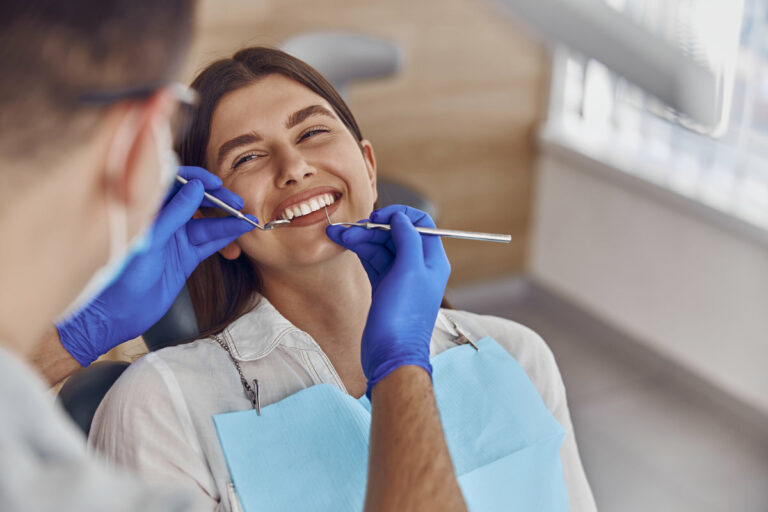
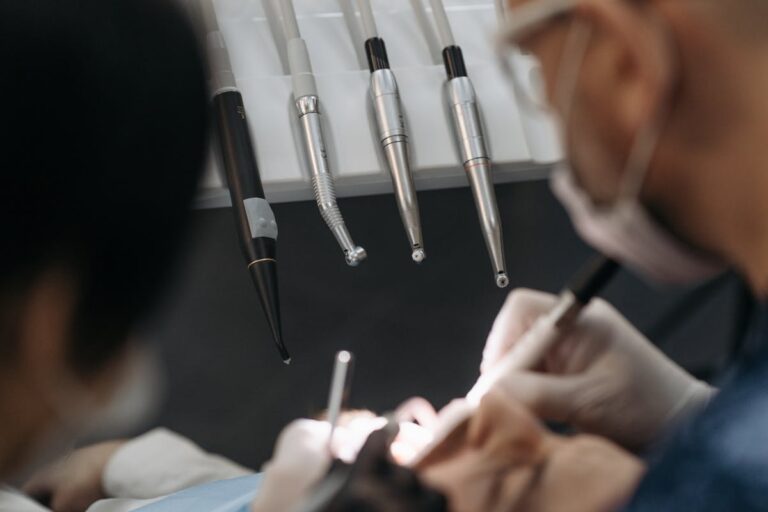
Although both crowns and veneers serve to enhance dental aesthetics and function, their procedures and preparation requirements differ markedly. Crown preparation involves substantial removal of the tooth’s outer structure to accommodate full coverage restoration, ensuring durability and protection. This process typically requires local anesthesia, tooth reshaping, and impressions for custom fabrication. Conversely, veneer preparation is more conservative, requiring minimal enamel removal primarily on the front surface. Veneer bonding entails meticulous cleaning and etching of the tooth surface, followed by the application of dental adhesive to securely attach the thin porcelain shell. Both procedures necessitate precise laboratory work to fabricate restorations that fit accurately and mimic natural tooth appearance. Ultimately, the extent of tooth alteration and bonding techniques distinguish crown preparation from veneer bonding in clinical practice.
Longevity and Durability Comparison
The differences in preparation and bonding techniques between crowns and veneers directly influence their longevity and durability. Longevity factors for crowns include the extent of tooth reduction and material strength, while veneers rely heavily on enamel preservation and adhesive quality. Durability assessment reveals crowns typically withstand greater occlusal forces due to full coverage, whereas veneers, being more conservative, may be more susceptible to chipping under stress.
Key points in longevity and durability comparison include:
- Crowns offer enhanced protection for structurally compromised teeth, improving lifespan.
- Veneers maintain more natural tooth structure but require meticulous bonding for ideal durability.
- Both restorations benefit from proper oral hygiene and regular dental evaluations to maximize longevity.
Understanding these factors aids in selecting the appropriate restoration aligned with clinical needs and patient expectations.
Cost Considerations for Crowns and Veneers
Financial implications play a significant role in the decision-making process between crowns and veneers. Crowns typically incur higher costs due to their extensive coverage and material requirements, whereas veneers are generally less expensive but may necessitate replacement sooner. Insurance coverage varies widely; some plans partially cover crowns as medically necessary restorations, while veneers are often considered cosmetic and excluded from coverage. Patients are advised to consult with their dental provider and insurer to understand potential out-of-pocket expenses. Effective budget planning should account not only for initial procedure costs but also for future maintenance or replacement. Ultimately, cost considerations must be balanced with clinical needs and aesthetic goals to determine the most suitable restoration option.
Frequently Asked Questions
Can I Get Crowns or Veneers if I Have Sensitive Teeth?
Individuals with sensitive teeth can receive crowns or veneers after proper sensitivity management. A thorough dental consultation is essential to assess oral health and determine the most suitable restoration, ensuring comfort and minimizing potential sensitivity issues.
How Do Crowns and Veneers Affect Teeth Whitening Options?
Crowns and veneers impose whitening limitations, as their color does not change with bleaching agents. Restoration compatibility requires selecting shades matching natural teeth post-whitening, ensuring aesthetic consistency and avoiding mismatched discoloration between restorations and treated teeth.
Are Crowns or Veneers Reversible Procedures?
Neither crowns nor veneers are fully reversible, as both require tooth enamel removal. Temporary solutions exist during treatment, but long term durability necessitates permanent alteration, limiting the possibility of restoring natural tooth structure afterward.
Can Children or Teenagers Receive Crowns or Veneers?
Pediatric dentistry occasionally utilizes crowns for children with extensive tooth damage, while veneers are less common due to ongoing adolescent oral health development. Treatment decisions prioritize long-term dental growth and functional restoration.
What Are the Risks of Allergic Reactions to Crown or Veneer Materials?
Material allergies to crowns or veneers are rare but possible, potentially causing irritation or inflammation. Dental safety protocols include material screening and allergy history assessment to minimize risks, ensuring safe and effective restorative treatments for patients.