
All-on-4 vs. Traditional Implants: Key Differences
Dental implantology offers multiple solutions for full-arch restoration, with All-on-4 and traditional implants representing two primary approaches. All-on-4 employs four strategically angled implants to support a complete prosthesis, often enabling immediate function. Traditional implants typically involve placing multiple individual posts, requiring longer integration periods and sometimes bone augmentation. Understanding the distinctions in surgical technique, healing time, and patient suitability is essential to determine the best treatment pathway.
Overview of All-on-4 Implants
All-on-4 implants constitute a dental restoration technique designed to support a full arch of prosthetic teeth using only four strategically placed titanium implants. This method maximizes bone use, allowing immediate function and minimizing the need for bone grafting. The benefits overview highlights reduced treatment time, lower costs compared to multiple individual implants, and enhanced stability. Clinical outcomes demonstrate high success rates and improved patient satisfaction. Patient testimonials frequently report significant improvements in oral function, aesthetics, and quality of life post-procedure. The All-on-4 approach is particularly advantageous for patients with extensive tooth loss or compromised bone density, offering a less invasive alternative with predictable results. This technique exemplifies advancements in implantology, streamlining complex restorations into efficient, reliable solutions for full-arch rehabilitation.
Overview of Traditional Dental Implants
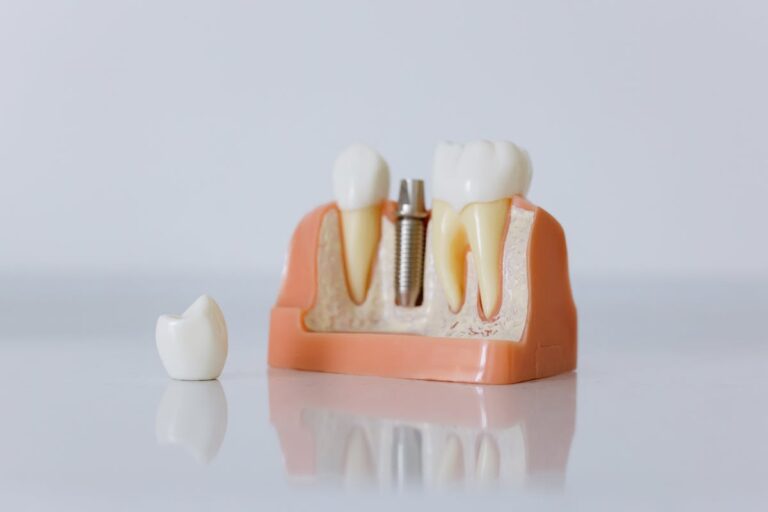
Traditional dental implants involve surgically placing individual titanium posts into the jawbone at specific sites. Following placement, a healing period allows osseointegration, where the bone fuses with the implant surface to guarantee stability. The overall treatment duration typically spans several months, encompassing implant placement, healing, and final prosthetic restoration.
Implant Placement Process
The implant placement process involves surgically inserting titanium posts into the jawbone to serve as artificial tooth roots. Traditional implant placement techniques typically require a staged approach, beginning with incisions to expose the bone, precise drilling to create osteotomies, and careful insertion of the implants at predetermined angulations. Patient comfort considerations include the administration of local anesthesia and, in some cases, sedation to minimize discomfort during the procedure. Meticulous surgical protocol aims to reduce trauma and enhance implant stability. Additionally, the procedure demands accurate assessment of bone quality and quantity to guarantee appropriate implant positioning. Unlike immediate loading protocols, traditional methods often involve a healing period before prosthetic attachment, emphasizing surgical precision and patient management to facilitate ideal outcomes.
Healing and Integration
Multiple stages characterize the healing and integration phase following implant placement, during which osseointegration occurs as the titanium posts bond with the surrounding jawbone. This biological process is critical to achieving integration success, ensuring implant stability and long-term functionality. The healing timeline typically spans several months, during which bone remodeling and vascularization occur around the implant surface. Initial healing focuses on soft tissue closure, followed by progressive bone deposition directly onto the implant. Factors influencing the healing timeline include bone density, patient health, and surgical technique. Radiographic evaluation and clinical assessment determine successful integration before prosthetic loading. Failure to achieve adequate osseointegration may result in implant mobility or loss. Consequently, meticulous monitoring during this phase is essential for predictable outcomes in traditional dental implant therapy.
Typical Treatment Duration
How long does the entire process of conventional dental implant treatment typically take? The treatment timeline for traditional dental implants generally spans several months, often ranging from four to nine months. Initial stages involve surgical placement of the implant post, followed by a healing period to allow osseointegration, which can last three to six months. Subsequent steps include abutment placement and final prosthesis fitting. This extended timeline is essential to guarantee implant stability and long-term success. Patient expectations must be managed accordingly, as the multi-phase process requires patience and adherence to scheduled appointments. Delays may occur due to individual healing rates or the necessity for adjunctive procedures such as bone grafting, further influencing the overall duration of treatment in conventional implant protocols.
Surgical Procedure Differences
Although both All-on-4 and traditional implant procedures aim to restore dental function, they differ greatly in surgical approach and complexity. The All-on-4 technique involves placing four strategically angled implants, often in a single surgical session, minimizing the need for bone grafting. This streamlined approach reduces surgical risks such as infection and nerve damage. In contrast, traditional implants typically require multiple implants inserted vertically, frequently necessitating bone augmentation procedures, which increases surgical complexity and associated risks. The All-on-4 method’s less invasive nature generally contributes to a more predictable recovery timeline. Conversely, traditional implant surgery often entails extended healing phases due to additional surgical interventions. These procedural distinctions considerably influence clinical decision-making, balancing surgical risks against patient-specific anatomical factors and desired treatment outcomes.
Treatment Duration and Healing Time
The differences in surgical complexity between All-on-4 and traditional implant techniques directly impact treatment duration and healing time. All-on-4 typically involves the placement of four implants supporting a full-arch prosthesis in a single surgical session, which reduces the overall treatment duration. This approach allows for immediate loading, enabling patients to receive a temporary prosthesis on the same day. In contrast, traditional implants often require multiple surgeries, including bone grafting, extending the healing stages over several months before final prosthesis placement. Consequently, the recovery timeline for All-on-4 is generally shorter, with fewer healing stages. Traditional implants necessitate a prolonged osseointegration period to guarantee implant stability, resulting in an extended recovery timeline that can span six months or more before functional loading is possible.
Cost Comparison Between All-on-4 and Traditional Implants
The cost comparison between All-on-4 and traditional implants involves evaluating both initial expenses and long-term financial commitments. All-on-4 typically requires fewer implants and less surgical intervention, potentially reducing upfront costs. However, maintenance and replacement factors influence the overall economic impact over time.
Upfront Expenses
Several factors influence the upfront expenses associated with All-on-4 and traditional dental implants, including surgical complexity, number of implants required, and materials used. All-on-4 typically involves fewer implants, reducing surgical time and initial costs compared to traditional implants, which often require multiple individual placements. Material quality and prosthetic design also impact pricing. Insurance coverage varies greatly; many policies offer limited reimbursement for implant procedures, affecting patient out-of-pocket expenses. Payment options such as financing plans or dental loans are commonly offered to mitigate immediate financial burdens. While All-on-4 may present a higher single-procedure cost, the consolidation of treatment stages can reduce ancillary expenses. In contrast, traditional implants may incur incremental costs due to staged surgeries and additional components, influencing upfront financial commitments.
Long-Term Financial Impact
Although initial expenses vary between All-on-4 and traditional dental implants, evaluating long-term financial impact requires consideration of maintenance costs, prosthetic longevity, and potential complications. Financial planning and budget considerations must address these factors to determine overall value.
Key aspects influencing long-term costs include:
- Frequency and cost of follow-up visits and adjustments
- Durability and lifespan of prosthetic components
- Risk and expense of additional surgical interventions
- Costs associated with managing implant-related complications
All-on-4 implants typically involve lower maintenance and fewer surgical procedures, potentially reducing long-term expenditure. Conversely, traditional implants may require more frequent interventions but offer flexibility in prosthetic replacement. Thorough financial planning should incorporate these variables to optimize budget allocation over the implant lifespan.
Bone Grafting Requirements and Implications
Bone grafting constitutes a critical consideration in dental implantology, particularly when contrasting All-on-4 and traditional implant techniques. Traditional implants frequently require sufficient bone density to guarantee primary stability, often necessitating bone grafting procedures when alveolar bone resorption is significant. Various grafting techniques, including autografts, allografts, xenografts, and synthetic materials, are employed to augment deficient sites, potentially extending treatment duration and complexity. Conversely, the All-on-4 method strategically positions implants in areas of higher native bone density, minimizing or often eliminating the need for grafting. This approach reduces surgical interventions and associated complications. However, when grafting is unavoidable in All-on-4 cases, less extensive augmentation is typically required. Understanding these differences is essential for treatment planning, impacting surgical protocols, patient morbidity, and overall procedural predictability.
Longevity and Maintenance of Each Implant Type
The necessity and extent of bone grafting directly influence the long-term outcomes and maintenance protocols for dental implants. Implant durability varies between All-on-4 and traditional implants due to differences in implant number, placement, and load distribution. Maintenance requirements are also affected by the implant design and patient compliance. Key factors include:
- All-on-4 implants may demand more frequent professional cleanings due to fixed prosthesis design.
- Traditional implants allow for individual implant assessment, potentially simplifying maintenance.
- Both implant types require rigorous oral hygiene to prevent peri-implantitis, which compromises longevity.
- Regular clinical and radiographic evaluations are essential to monitor bone levels and implant stability.
Ultimately, implant durability and maintenance depend on surgical technique, prosthetic design, and patient adherence to recommended care protocols.
Ideal Candidates for All-on-4 vs. Traditional Implants
Which patient profiles best align with All-on-4 versus traditional dental implants depends on several clinical and anatomical considerations. Ideal candidates for All-on-4 typically include patients with significant bone resorption or those seeking full-arch rehabilitation with limited grafting. This technique suits individuals requiring expedited treatment and reduced surgical interventions. Conversely, traditional implants are preferred for patients with sufficient alveolar bone volume and those desiring individual tooth replacements or multiple implants with ideal spacing. Patient considerations such as systemic health, bone density, and oral hygiene capacity also influence implant selection. Additionally, All-on-4 benefits patients contraindicated for extensive bone grafting, while traditional implants may provide superior prosthetic versatility for localized edentulism. Ultimately, thorough evaluation by a clinician is essential to determine the most appropriate implant modality for each patient’s anatomic and restorative needs.
Frequently Asked Questions
Can All-On-4 Implants Be Adjusted or Replaced if Damaged?
All-on-4 implants can be adjusted or replaced if damaged. Implant maintenance involves routine assessments, while replacement procedures may require prosthesis removal and implant evaluation to guarantee structural integrity and ideal functional restoration.
How Do All-On-4 Implants Affect Speech Compared to Traditional Implants?
All-on-4 implants generally maintain speech clarity comparable to traditional implants; however, initial adaptation may cause minor pronunciation challenges due to prosthetic bulk. Over time, patients typically achieve normalized articulation as they adjust to the implant structure.
Are There Dietary Restrictions During All-On-4 Implant Recovery?
During All-on-4 implant recovery, patients should adhere to dietary restrictions emphasizing soft foods to minimize stress on implants. Hydration tips include consuming adequate fluids while avoiding hot or acidic beverages to promote ideal healing conditions.
What Anesthesia Options Are Available for Each Implant Procedure?
Anesthesia types for both procedures include local anesthesia, conscious sedation, and general anesthesia. Sedation options vary by patient needs, with intravenous sedation commonly used for All-on-4, while traditional implants may require more extensive anesthesia depending on complexity.
Can All-On-4 Implants Integrate With Existing Dental Prosthetics?
All-on-4 implants exhibit limited implant compatibility with existing dental prosthetics; successful prosthetic adaptation often requires customized modifications or fabrication of new prostheses to guarantee ideal fit, function, and long-term stability within the oral environment.