
The Complete Timeline of a Dental Implant Procedure
The dental implant procedure unfolds through a series of carefully timed stages, each critical to ensuring successful osseointegration and functional restoration. Starting with thorough diagnostics and extending through surgical placement and prosthetic attachment, the process demands precision and adherence to healing protocols. Understanding the necessary intervals and clinical considerations provides insight into the overall treatment duration and anticipated outcomes, highlighting factors that influence each phase’s timing and complexity.
Initial Dental Examination and Consultation
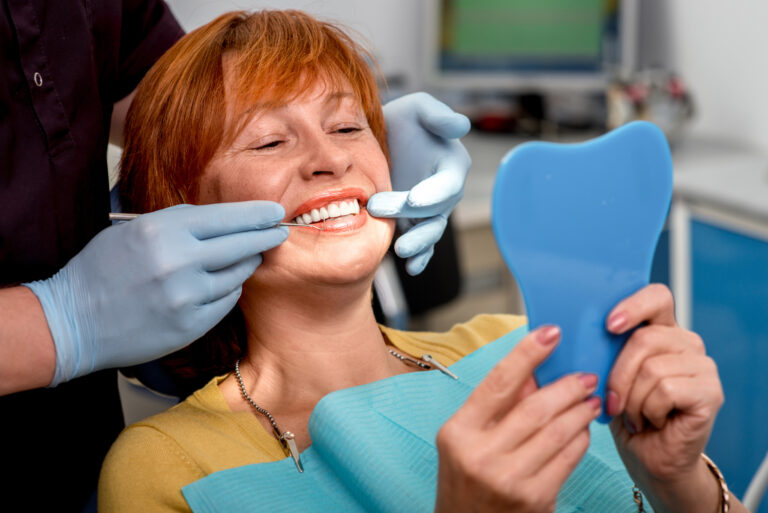
Before proceeding with the dental implant procedure, a detailed initial dental examination and consultation are conducted to assess the patient’s oral health status and suitability for implant placement. This initial assessment involves evaluating periodontal health, bone quality, and the presence of any contraindications such as active infections or systemic conditions. Clinicians systematically document medical and dental histories, perform clinical examinations, and evaluate occlusal relationships. Patient education is integral during this phase, emphasizing procedural steps, potential risks, benefits, and post-operative care requirements to guarantee informed consent. This consultation establishes realistic expectations and addresses patient inquiries. The extensive nature of this initial evaluation facilitates the formulation of a tailored treatment plan, optimizing implant success rates and minimizing complications. It serves as the foundational step, guaranteeing clinical appropriateness and patient preparedness prior to advancing to diagnostic imaging and detailed treatment planning.
Diagnostic Imaging and Treatment Planning
Following the thorough initial examination, diagnostic imaging plays a pivotal role in refining the dental implant treatment plan. Advanced diagnostic techniques, including cone beam computed tomography (CBCT) and digital radiography, provide detailed three-dimensional visualization of the alveolar bone, adjacent anatomical structures, and bone density. These imaging modalities enable precise assessment of implant site viability, critical for determining implant size, angulation, and position. Additionally, diagnostic imaging facilitates identification of potential complications such as proximity to the mandibular nerve or maxillary sinus. Integration of imaging data into computer-aided design software allows for virtual treatment planning and surgical guide fabrication, enhancing procedural accuracy. Collectively, these diagnostic techniques guarantee a thorough evaluation, optimizing implant success rates by tailoring the treatment plan to the patient’s anatomical and clinical parameters.
Tooth Extraction and Site Preparation
Tooth extraction and site preparation constitute critical preliminary steps in the dental implant process, aimed at creating an ideal environment for implant placement. Tooth extraction techniques prioritize atraumatic removal to preserve alveolar bone integrity and minimize soft tissue damage. Methods such as sectioning multirooted teeth and periotome utilization enhance socket preservation. Following extraction, site preparation methods involve thorough debridement of residual granulation tissue to prevent infection and promote osseointegration. Precise contouring of the alveolar ridge may be required to achieve a stable, well-vascularized recipient site. Additionally, soft tissue management guarantees adequate keratinized mucosa for implant support. Collectively, these steps establish optimal conditions, facilitating successful implant integration and long-term prosthetic stability without compromising surrounding anatomical structures.
Bone Grafting and Healing Period
When alveolar bone volume or density is insufficient to support a dental implant, bone grafting procedures are employed to restore the structural foundation. Bone grafting techniques vary, including autografts, allografts, xenografts, and synthetic materials, each selected based on defect size, location, and patient-specific factors. Following graft placement, the site undergoes a critical healing period characterized by osteoconduction, osteoinduction, and osteogenesis. Healing factors such as vascularization, patient systemic health, and site stability considerably influence graft integration success. Typically, a healing period of four to six months is required to achieve adequate bone regeneration and maturation, ensuring ideal implant anchorage. Throughout this phase, meticulous monitoring is essential to detect complications and confirm graft viability before proceeding to implant placement surgery.
Implant Placement Surgery
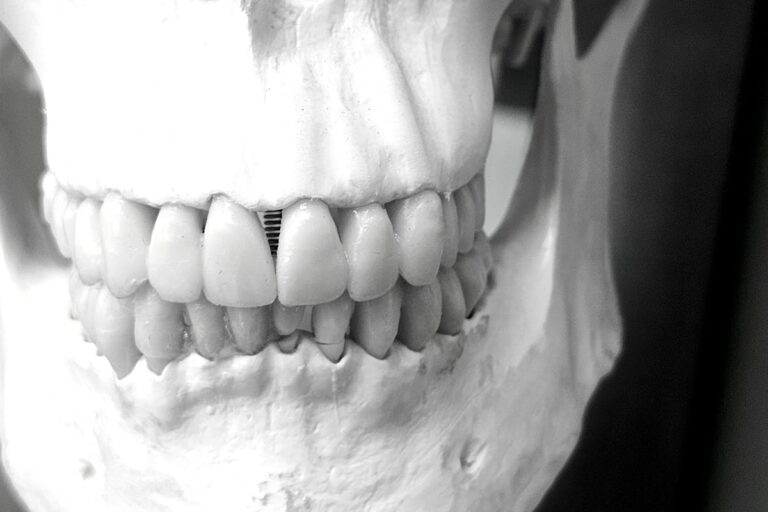
Implant placement surgery involves the precise insertion of a titanium post into the prepared jawbone site. This procedure requires meticulous surgical technique to guarantee primary stability for ideal osseointegration. Postoperative healing allows for the integration of the implant with the bone, establishing a stable foundation for the prosthetic restoration.
Surgical Steps Overview
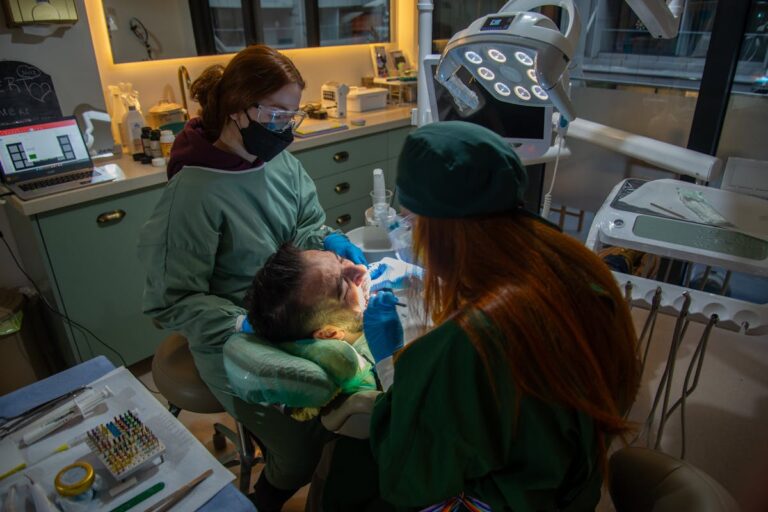
The surgical phase initiates with the administration of local anesthesia to guarantee patient comfort throughout the procedure. Following anesthesia, a precise incision is made in the gingiva to expose the underlying alveolar bone. Using advanced surgical techniques, a pilot drill creates an osteotomy site, carefully calibrated to the dimensions of the chosen implant. Sequential drilling enlarges the site while preserving bone integrity. Implant materials, typically titanium or zirconia, are then inserted with controlled torque to secure primary stability. Once the implant is correctly positioned within the bone, the surgical site is sutured to promote ideal healing conditions. Throughout, strict adherence to aseptic protocols minimizes infection risk. This methodical approach guarantees accurate implant placement, foundational for subsequent osseointegration and overall procedural success.
Healing and Integration
A critical period follows the surgical placement during which the surrounding bone undergoes biological integration with the implant surface. This process, known as osseointegration, is essential for the stability and long-term success of the implant. Implant success factors include adequate bone quality, absence of infection, and precise surgical technique. Patient lifestyle considerations such as smoking, oral hygiene, and systemic health greatly influence healing outcomes. During this phase, patients must adhere to postoperative care protocols to minimize complications. Radiographic evaluations monitor the progression of osseointegration, typically spanning several weeks to months. The stability achieved during healing provides a foundation for subsequent prosthetic restoration, making this phase critical in the overall implant procedure timeline.
Osseointegration and Recovery Time
Following implant placement surgery, osseointegration initiates as the bone undergoes a biological healing process to securely anchor the implant. This phase typically spans several months, during which the implant achieves primary stability and functional integration. Recovery time varies based on individual bone quality and systemic factors but generally ranges from three to six months.
Bone Healing Process
Initiating osseointegration, the bone tissue undergoes a complex biological process where new bone cells grow and integrate with the surface of the dental implant. This integration is critical for implant stability and is influenced by bone density at the site. The healing stages begin with an inflammatory phase, followed by the formation of granulation tissue. Subsequently, osteoblasts proliferate, depositing new bone matrix directly onto the implant surface. Over time, this matrix mineralizes, increasing bone density and mechanical strength around the implant. The process guarantees a rigid, long-lasting interface between bone and implant, essential for functional load-bearing. Successful osseointegration depends on controlled healing conditions and adequate bone quality, which together facilitate ideal recovery and implant longevity.
Typical Recovery Duration
How long does the osseointegration process typically require to secure implant stability? Generally, osseointegration spans 3 to 6 months, during which the titanium implant fuses with the surrounding alveolar bone, establishing a durable foundation. This phase is critical for implant success and must remain undisturbed. Post-surgical pain management is essential to mitigate discomfort, typically involving prescribed analgesics and anti-inflammatory medications. Patients undergo scheduled follow-up appointments to monitor healing progression, assess implant integration, and promptly address complications. These visits enable clinicians to evaluate bone remodeling and secure the implant’s structural integrity before proceeding with prosthetic placement. Adherence to post-operative guidelines and consistent follow-up optimizes recovery duration and implant longevity, underscoring the importance of meticulous patient management throughout the osseointegration period.
Abutment Placement and Soft Tissue Healing
Once osseointegration has been confirmed, the abutment is carefully attached to the dental implant to serve as the connector between the implant fixture and the prosthetic crown. Abutment types vary, including stock, custom, and angled designs, each selected based on anatomical and prosthetic requirements. Following abutment placement, the soft tissue undergoes critical healing stages characterized by epithelial attachment formation and connective tissue maturation around the abutment collar. This phase guarantees a stable biological seal to protect the underlying bone and implant interface. Proper soft tissue healing is essential to minimize inflammation and support long-term implant success. The duration of these healing stages typically ranges from two to four weeks, during which the soft tissue contours adapt to the abutment shape, optimizing esthetic and functional outcomes prior to final prosthetic restoration.
Final Crown Fabrication and Placement
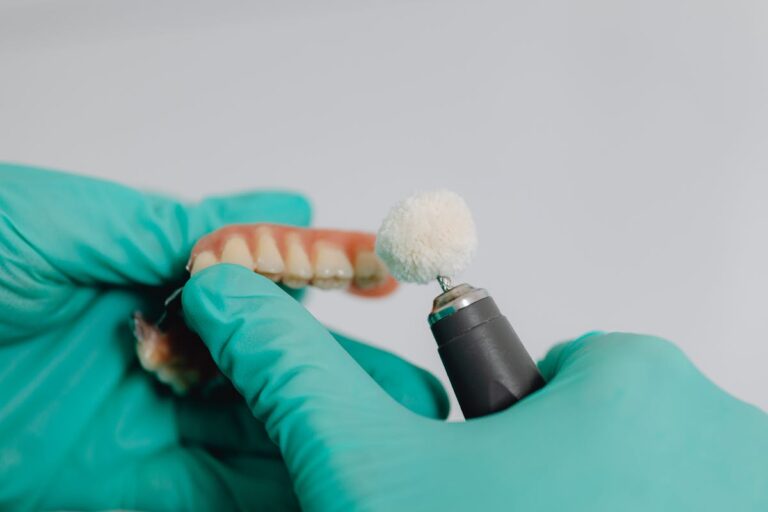
The final crown fabrication marks the culmination of the dental implant process, transforming the healed abutment into a fully functional and esthetic prosthesis. After precise impressions are taken, the dental laboratory fabricates the crown using selected crown materials such as zirconia, porcelain-fused-to-metal, or lithium disilicate. These materials are chosen based on strength requirements and aesthetic considerations, including color matching, translucency, and gum line integration. The technician meticulously sculpts the crown to replicate natural dentition morphology. Upon completion, the clinician evaluates the crown’s fit, occlusion, and appearance before final cementation or screw-retention. This step guarantees ideal biomechanical function and patient satisfaction, completing the restorative phase of the implant procedure with a durable and visually harmonious prosthetic outcome.
Frequently Asked Questions
How Long Do Dental Implants Typically Last?
Dental implants typically last 15 to 25 years or more, contingent upon implant longevity factors and rigorous maintenance tips such as regular dental check-ups, proper oral hygiene, and avoidance of smoking or excessive mechanical stress.
Are Dental Implants Covered by Insurance?
Insurance coverage for dental implants varies greatly among providers and plans, often excluding elective dental procedures. Patients should verify specific policy details, as many dental procedures related to implants may not be thoroughly covered under standard insurance.
Can I Get Dental Implants if I Have Gum Disease?
Patients with gum disease can be considered for dental implants only after thorough gum disease treatment. Successful implant candidacy requires periodontal health stabilization to prevent implant failure and guarantee ideal osseointegration and long-term prognosis.
What Are the Risks of Dental Implant Surgery?
Risks of dental implant surgery include surgical complications such as infection, nerve injury, and excessive bleeding. Additionally, implant rejection may occur due to poor osseointegration or immune response, potentially necessitating implant removal or revision surgery.
How Do I Care for My Dental Implants Daily?
Daily maintenance of dental implants requires meticulous oral hygiene, including brushing with a soft-bristle toothbrush, flossing around implants, and using antimicrobial mouth rinses to prevent peri-implantitis and guarantee long-term implant stability and health.