Can Dental Implants Fail? Causes and Prevention
Dental implants have become a widely accepted solution for tooth replacement, yet they are not without risks. Failure can occur due to multiple factors ranging from surgical errors to patient-related habits. Understanding these causes is essential for both clinicians and patients aiming to optimize outcomes. Identifying how bone quality, oral health, and lifestyle choices influence implant success reveals critical prevention strategies that warrant closer examination.
Understanding Dental Implant Failure
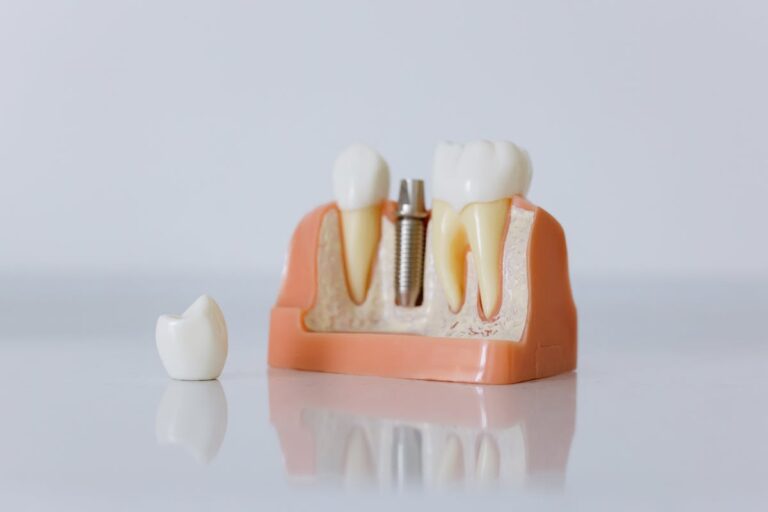
Although dental implants have a high success rate, understanding the factors that contribute to their failure is essential for improving outcomes. Implant longevity depends on multiple variables, including patient health, implant material, and the precision of surgical techniques employed. Proper surgical planning and execution minimize trauma to surrounding tissues and promote osseointegration, which is critical for long-term stability. Advances in surgical techniques, such as guided implant placement and minimally invasive procedures, have enhanced implant success rates by reducing complications. Additionally, the selection of appropriate implant design and surface characteristics influences the integration process. Thorough evaluation and meticulous surgical protocol are fundamental to maximizing implant longevity. Recognizing these factors allows clinicians to refine treatment approaches, thereby reducing the risk of failure and optimizing patient satisfaction.
Common Causes of Dental Implant Failure
Failures of dental implants can arise from a variety of causes, each affecting the implant’s stability and integration with the surrounding bone. Common factors include improper surgical technique, infection at the implant site, and inadequate osseointegration. Additionally, patient-related factors such as smoking, poor oral hygiene, and systemic health conditions can compromise implant success. Misaligned occlusion or excessive mechanical stress may also lead to implant failure. Unrealistic patient expectations regarding implant longevity can result in dissatisfaction, even when clinical outcomes are satisfactory. Understanding these causes is essential for optimizing treatment plans and improving long-term results. By addressing modifiable risk factors and managing patient expectations effectively, clinicians can enhance implant survival rates and guarantee predictable, durable outcomes.
The Role of Bone Health in Implant Success
Bone density plays a critical role in the stability and integration of dental implants. Insufficient bone volume or quality can compromise implant anchorage and increase the risk of failure. Understanding the impact of bone loss is essential for planning effective implant procedures and ensuring long-term success.
Bone Density Importance
Because implant stability relies heavily on the surrounding skeletal structure, adequate bone density is essential for ensuring the long-term success of dental implants. Sufficient bone volume provides a solid foundation for osseointegration, the process by which implants fuse with the jawbone. In cases where bone density is insufficient, bone grafting techniques can be employed to augment the site, promoting a stable environment for implant placement. These procedures enhance implant success by improving bone quality and volume, thereby reducing the risk of implant failure. Evaluating bone density prior to surgery allows clinicians to determine the appropriate intervention, optimizing outcomes. Ultimately, maintaining or restoring adequate bone density is a critical factor in implant stability and longevity, underscoring its importance in preoperative planning and postoperative care.
Impact of Bone Loss
Adequate bone density not only supports initial implant stability but also plays an essential role in preventing bone loss after implant placement. Bone loss compromises implant osseointegration, increasing the risk of implant failure. To mitigate this, bone regeneration techniques such as guided bone regeneration and grafting are employed to restore deficient bone volume, enhancing implant support. Additionally, implant surface modifications, including roughened or bioactive coatings, promote faster and stronger osseointegration, reducing bone resorption around implants. Maintaining bone health through these advanced methods is vital for long-term implant success. Continuous monitoring and timely intervention can prevent progressive bone loss, ensuring implant stability and function. Consequently, integrating bone regeneration strategies with optimized implant surfaces greatly improves clinical outcomes in dental implantology.
Impact of Gum Disease on Dental Implants
Gum disease poses a significant risk to the stability and longevity of dental implants by promoting inflammation and bone loss around the implant site. Infection resulting from untreated gum disease can lead to peri-implantitis, compromising implant integration. Effective prevention strategies focus on maintaining oral hygiene and regular professional care to minimize the risk of implant infection.
Gum Disease Effects
Although dental implants are designed to be durable and long-lasting, the presence of periodontal disease can considerably compromise their success. Gum disease, particularly peri-implantitis, leads to inflammation and destruction of the supporting bone around implants. This condition weakens the implant’s stability, increasing the risk of implant failure. Effective gum disease treatment is crucial to mitigate these risks, often involving professional cleaning, antimicrobial therapy, and in severe cases, surgical intervention. Maintaining rigorous oral hygiene plays a critical role in preventing the onset and progression of gum disease around implants. Patients must adhere to recommended oral hygiene practices and regular dental check-ups to guarantee early detection and management of periodontal issues. Ignoring gum health can result in irreversible damage to both natural teeth and implants, undermining the overall success of dental implant therapy.
Preventing Implant Infection
How can implant infections be effectively prevented to guarantee long-term success? Maintaining rigorous oral hygiene is paramount in infection prevention around dental implants. Since gum disease greatly increases the risk of peri-implantitis, thorough daily cleaning and professional dental check-ups are essential. Patients should be educated on proper brushing and flossing techniques tailored to implants, reducing bacterial accumulation that can lead to infection. Additionally, clinicians must assess and manage any pre-existing periodontal conditions before implant placement to minimize complications. Regular monitoring enables early detection of inflammation, facilitating prompt intervention. Combining meticulous oral hygiene with professional care forms the cornerstone of infection prevention, ensuring the stability and longevity of dental implants despite the challenges posed by gum disease.
How Smoking Affects Dental Implant Longevity
Why does smoking greatly reduce the success rate of dental implants? Smoking introduces nicotine and other harmful substances that impair blood flow and oxygen delivery to the implant site. Nicotine effects hinder the healing process by restricting vascularization, which is essential for osseointegration, the direct bone-to-implant connection. Additionally, smoking compromises immune response, increasing the risk of peri-implantitis and subsequent implant failure. Research consistently shows that smokers have higher rates of implant complications and lower long-term success compared to non-smokers. As a result, smoking cessation is strongly advised prior to implant placement and throughout the healing phase to optimize outcomes. Abstaining from smoking enhances tissue healing, reduces infection risk, and improves implant longevity, making it a vital component of preventive strategies in dental implant therapy.
Importance of Proper Implant Placement
Accurate positioning of dental implants is critical to ensuring functional stability and long-term success. Proper implant placement requires surgical precision to achieve ideal implant alignment within the jawbone, directly influencing osseointegration and load distribution. Incorrect positioning can compromise implant stability, lead to mechanical complications, and increase the risk of failure. Precise alignment also preserves adjacent anatomical structures, preventing nerve damage and sinus perforation. Advanced imaging techniques and computer-guided surgery enhance surgical precision, allowing clinicians to plan and execute implant placement with greater accuracy. Ultimately, meticulous attention to implant alignment during surgery minimizes complications and promotes successful integration, underscoring the importance of proper implant placement in preventing dental implant failure.
Post-Operative Care to Prevent Implant Failure
Although successful implant placement is crucial, effective post-operative care plays an important role in preventing implant failure. Proper post-operative hygiene is critical to minimize infection risks around the implant site. Patients must adhere to recommended cleaning protocols, including gentle brushing and antimicrobial rinses, to maintain tissue health. Additionally, attending scheduled follow-up appointments allows clinicians to monitor healing progress, identify early signs of complications, and intervene promptly if necessary. These visits also enable adjustments to oral care instructions based on the patient’s recovery status. Consistent communication between the patient and dental professional guarantees that potential issues are addressed before they compromise implant stability. Ultimately, diligent post-operative care greatly enhances the long-term success and integration of dental implants.
Lifestyle Changes to Support Implant Health
Beyond post-operative care, adopting specific lifestyle modifications greatly contributes to the longevity and stability of dental implants. Dietary adjustments play an essential role in maintaining oral health; a balanced diet rich in vitamins and minerals supports bone density and tissue healing around the implant site. Avoiding excessive consumption of sugary or acidic foods reduces the risk of peri-implantitis and other infections. Additionally, regular exercise routines enhance overall circulation, which promotes better healing and immune response. Exercise also helps manage systemic conditions such as diabetes, which can adversely affect implant success. Incorporating these lifestyle changes alongside routine dental check-ups guarantees a supportive environment for implant integration and reduces the likelihood of failure. Ultimately, a holistic approach combining dietary and physical health optimizes implant outcomes.
Frequently Asked Questions
How Long Do Dental Implants Typically Last?
Dental implants typically last 10 to 30 years, depending on implant longevity factors. Proper maintenance tips, including regular oral hygiene and dental check-ups, greatly enhance lifespan, ensuring long-term stability and function of the implant.
Are Dental Implants Covered by Insurance?
Dental implants often have limited insurance coverage, as many plans exclude elective procedures. Coverage varies by provider and policy. Patients should verify insurance coverage and consider implant costs, including surgery and restoration, before proceeding.
Can Children Get Dental Implants?
Children typically are not candidates for pediatric implants until jaw growth is complete, usually in late adolescence. Age considerations are critical to guarantee implant stability and proper integration within developing bone structures.
What Materials Are Dental Implants Made From?
Dental implants are primarily made from titanium, valued for its biocompatibility and strength advantages. Ceramic options also exist, offering aesthetic benefits and reduced risk of allergic reactions, though they may lack titanium’s long-term durability.
How Painful Is the Dental Implant Procedure?
The dental implant procedure typically causes minimal pain due to effective pain management techniques. Patients may experience mild discomfort post-surgery, with a recovery timeline ranging from a few days to several weeks, depending on individual healing rates.