
Smile Makeover Myths That Stop People From Taking the First Step
Many individuals delay improving their smiles due to common misconceptions about smile makeovers. Beliefs that these procedures are prohibitively expensive, painful, or only suitable for certain age groups often discourage people from seeking professional advice. Misunderstandings about who can perform these treatments and how long results take to manifest further complicate the decision. Clarifying these myths can reveal opportunities previously overlooked, encouraging a more informed approach to dental aesthetics.
Smile Makeovers Are Only for the Wealthy
Contrary to common belief, smile makeovers are not exclusive to the wealthy. Advances in dental technology and increased competition have made affordable options widely available. Many dental practices now offer tailored financing plans, enabling patients from diverse financial backgrounds to access cosmetic treatments without significant upfront costs. These plans often include low or zero-interest payment schedules, making it easier to manage expenses over time. Additionally, some clinics provide package deals or discounts that further reduce overall costs. By dispelling the myth that smile makeovers demand a substantial financial burden, more individuals can confidently consider improving their dental aesthetics. Understanding these accessible pathways empowers people to take the first step toward achieving their desired smile without undue financial stress.
The Process Is Painful and Uncomfortable
Many individuals hesitate to pursue smile makeovers due to concerns about pain and discomfort during the procedure. Modern dental practices prioritize pain management and patient comfort, employing advanced techniques and anesthesia options to minimize discomfort. Procedures are typically tailored to the patient’s specific needs, ensuring a gentle experience. Additionally, dental professionals maintain clear communication throughout treatment, addressing any concerns promptly. While some minor discomfort may occur, it is generally well-controlled and short-lived. This emphasis on patient comfort challenges the misconception that smile makeovers are inherently painful. Understanding the thorough pain management strategies available can empower individuals to move forward confidently, knowing their well-being will be a top priority throughout the transformation process.
Results Take Years to Appear
While pain and discomfort are often concerns for those considering a smile makeover, another common misconception involves the timeline for visible results. Many believe that achieving a transformed smile takes years, which can deter timely action. In reality, results often manifest much sooner, though maintaining realistic expectations is essential. Smile makeovers typically show:
- Gradual improvement noticeable within weeks
- Immediate changes after certain procedures like whitening
- Incremental enhancements through staged treatments
- Final results usually achieved within a few months
- Continuous benefits with proper dental care
Understanding this timeline helps patients stay motivated and committed. Appreciating gradual improvement prevents discouragement and promotes a positive outlook throughout the treatment process, ensuring satisfaction with the final outcome.
Only Cosmetic Dentists Can Perform Smile Makeovers
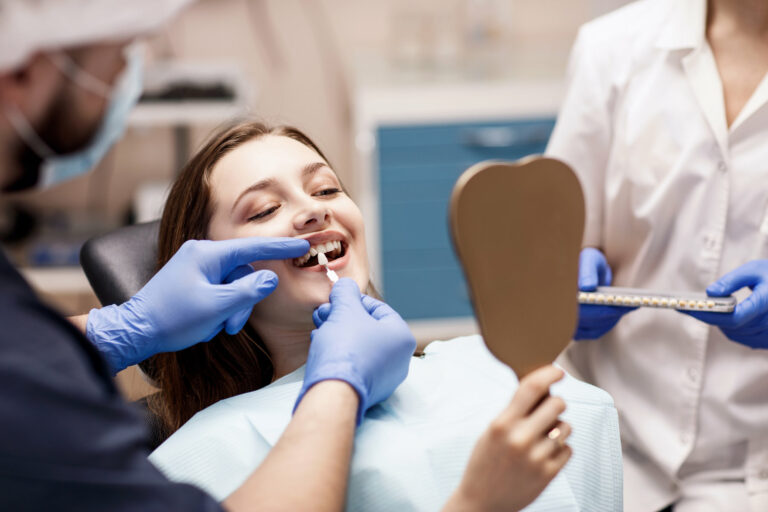
Although cosmetic dentists specialize in enhancing smiles, general dentists and other qualified dental professionals are also capable of performing smile makeovers. Many dental practitioners possess the necessary dental qualifications and training to conduct a variety of cosmetic procedures effectively. The range of treatments, from teeth whitening to veneers, can often be safely and skillfully managed by experienced general dentists. It is important for patients to verify the credentials and experience of their dental provider rather than assuming only cosmetic dentists can deliver quality smile makeovers. Ultimately, the success of a smile makeover depends on the professional’s expertise, personalized treatment planning, and commitment to patient care, not solely on their specialty designation. Dispelling this myth encourages individuals to explore all their options confidently.
Smile Makeovers Are Not Durable
Concerns regarding the durability of smile makeovers often overlook the high-quality materials used, which are designed for long-lasting performance. Proper maintenance and regular dental care play a critical role in preserving these results over time. Additionally, advancements in dental technology have greatly enhanced the strength and resilience of cosmetic treatments.
Longevity of Materials
Despite common misconceptions, modern materials used in smile makeovers are engineered for durability and long-lasting performance. Advances in dental technology have greatly improved both material durability and aesthetic longevity, making smile transformations reliable investments. High-quality ceramics and composite resins resist wear and discoloration, maintaining their appearance for years. Key factors contributing to the longevity of these materials include:
- Improved bonding agents for stronger adhesion
- Enhanced resistance to chipping and cracking
- Natural translucency mimicking real teeth
- Color stability against staining agents
- Biocompatibility reducing material degradation
These innovations guarantee that patients can enjoy their renewed smiles confidently, dispelling the myth that smile makeovers lack durability. Understanding the true resilience of these materials encourages informed decisions about cosmetic dental treatments.
Maintenance and Care
While modern materials offer impressive durability for smile makeovers, their longevity is closely linked to proper maintenance and care. Effective post treatment care is essential to preserve the integrity and appearance of dental restorations. Patients must adhere to daily maintenance routines, including gentle brushing with non-abrasive toothpaste and flossing to prevent plaque buildup around restorations. Avoiding habits such as biting hard objects or using teeth as tools further protects the enhancements. Regular dental check-ups enable professionals to monitor the condition of the smile makeover and address minor issues before they escalate. Understanding that durability depends greatly on ongoing care helps set realistic expectations and encourages commitment to maintenance practices, ensuring the investment in a smile makeover remains worthwhile over time.
Advances in Dental Technology
Although some skepticism exists regarding the durability of smile makeovers, advances in dental technology have markedly enhanced the strength and longevity of restorative materials. Modern techniques guarantee that smile makeovers are not only aesthetically pleasing but also resilient over time. The integration of digital imaging allows for precise treatment planning, improving fit and function. Meanwhile, 3D printing enables the creation of highly accurate dental restorations with superior durability. These innovations contribute to outcomes that withstand daily wear and tear more effectively than ever before.
Key technological advancements include: – Digital imaging for detailed diagnostics – 3D printing of custom restorations – Use of stronger composite materials – Enhanced bonding agents for longevity – Computer-aided design (CAD) for precision
Together, these advances debunk the myth that smile makeovers lack durability.
You Have to Replace All Your Teeth
Contrary to common belief, a complete replacement of all teeth is not always necessary during a smile makeover. Dental professionals often focus on addressing specific problem areas, allowing for partial replacements that preserve healthy teeth. This targeted approach results in more conservative, effective treatments tailored to each patient’s unique needs.
Partial Replacements Possible
Despite common misconceptions, it is not necessary to replace every tooth during a smile makeover. Partial replacements offer a targeted approach, addressing specific dental concerns without extensive procedures. Modern techniques allow for the restoration of select teeth, preserving natural dentition and minimizing treatment time. Dental veneers, for example, can enhance the appearance of individual teeth, correcting shape, color, and minor alignment issues. This approach provides a customized solution tailored to each patient’s needs.
Key advantages of partial replacements include: – Preservation of healthy teeth – Reduced treatment complexity – Lower overall cost compared to full replacements – Faster recovery and adjustment periods – Enhanced aesthetic outcomes through focused enhancements like dental veneers
Partial replacements empower patients to achieve beautiful smiles without unnecessary interventions.
Focus on Problem Areas
While some believe that a smile makeover requires replacing every tooth, focusing solely on problematic areas often yields effective and less invasive results. This approach begins with thorough problem identification, enabling dental professionals to pinpoint specific concerns such as discoloration, misalignment, or decay. By addressing these targeted issues, patients benefit from a personalized treatment plan tailored to their unique dental needs and aesthetic goals. This method not only preserves healthy teeth but also minimizes discomfort and recovery time. Emphasizing individualized care, dental experts dispel the misconception that complete tooth replacement is necessary, encouraging patients to take the first step toward enhancing their smiles with confidence and clarity. Ultimately, focusing on problem areas optimizes outcomes while respecting the patient’s oral health integrity.
Smile Makeovers Are Only for the Young
Many individuals mistakenly believe that smile makeovers are exclusively suited for younger patients. However, this misconception overlooks the importance of age diversity in cosmetic dentistry. Smile makeovers offer a timeless appeal that transcends age, enhancing confidence and oral health for people at any stage of life. Modern dental techniques accommodate varying needs regardless of age, ensuring personalized and effective results.
- Advanced materials mimic natural teeth for a youthful look
- Procedures can address age-related dental concerns
- Customized treatment plans respect individual health conditions
- Enhanced self-esteem benefits all age groups equally
- Longevity of results supports lifelong oral wellness
Recognizing that smile makeovers are not age-restricted empowers individuals to take the first step toward a revitalized smile.
Insurance Won’t Cover Any Part of It
How does insurance typically handle coverage for smile makeovers? Generally, insurance coverage for cosmetic dental procedures is limited, as many smile makeover elements are considered elective rather than medically necessary. However, some treatment options that improve oral health or function—such as crowns, dental implants, or periodontal therapy—may qualify for partial insurance reimbursement. It is important for patients to consult their insurance providers and dental professionals to understand which components of a smile makeover might be eligible for coverage. Misconceptions about insurance not covering any part of smile makeovers can discourage individuals from exploring available treatment options. By recognizing the nuances of insurance policies, patients can make informed decisions and potentially reduce out-of-pocket expenses while achieving their desired smile improvements.
Frequently Asked Questions
How Long Does a Typical Smile Makeover Consultation Take?
The consultation duration for a typical smile makeover usually ranges from 30 to 60 minutes. During the initial assessment, the dentist evaluates dental health, discusses goals, and outlines potential treatment options thoroughly and empathetically.
Are There Non-Invasive Options Included in Smile Makeovers?
Yes, non-invasive veneers and cosmetic bonding are popular non-invasive options in smile makeovers. These techniques enhance aesthetics without extensive dental work, offering patients effective, minimally invasive solutions for improving their smiles comfortably and confidently.
Can Smile Makeovers Address Dental Health Issues Too?
Smile makeovers can address dental health concerns alongside cosmetic dentistry goals. They improve oral function, treat decay or damage, and enhance aesthetics, providing thorough care that promotes both health and confidence in patients’ smiles.
What Maintenance Is Required After a Smile Makeover?
Post makeover care involves diligent routine dental hygiene, including regular brushing, flossing, and professional cleanings. Patients must avoid staining foods and attend follow-up appointments to preserve results, ensuring long-term oral health and aesthetic success.
How Do I Choose the Right Dentist for My Smile Makeover?
Choosing the right dentist for a smile makeover involves verifying dentist credentials and certifications, reviewing patient reviews for satisfaction and outcomes, and consulting to guarantee clear communication, expertise, and comfort throughout the treatment process.